

Buying Bulk Tea for Cafes, Retailers and Online Brands
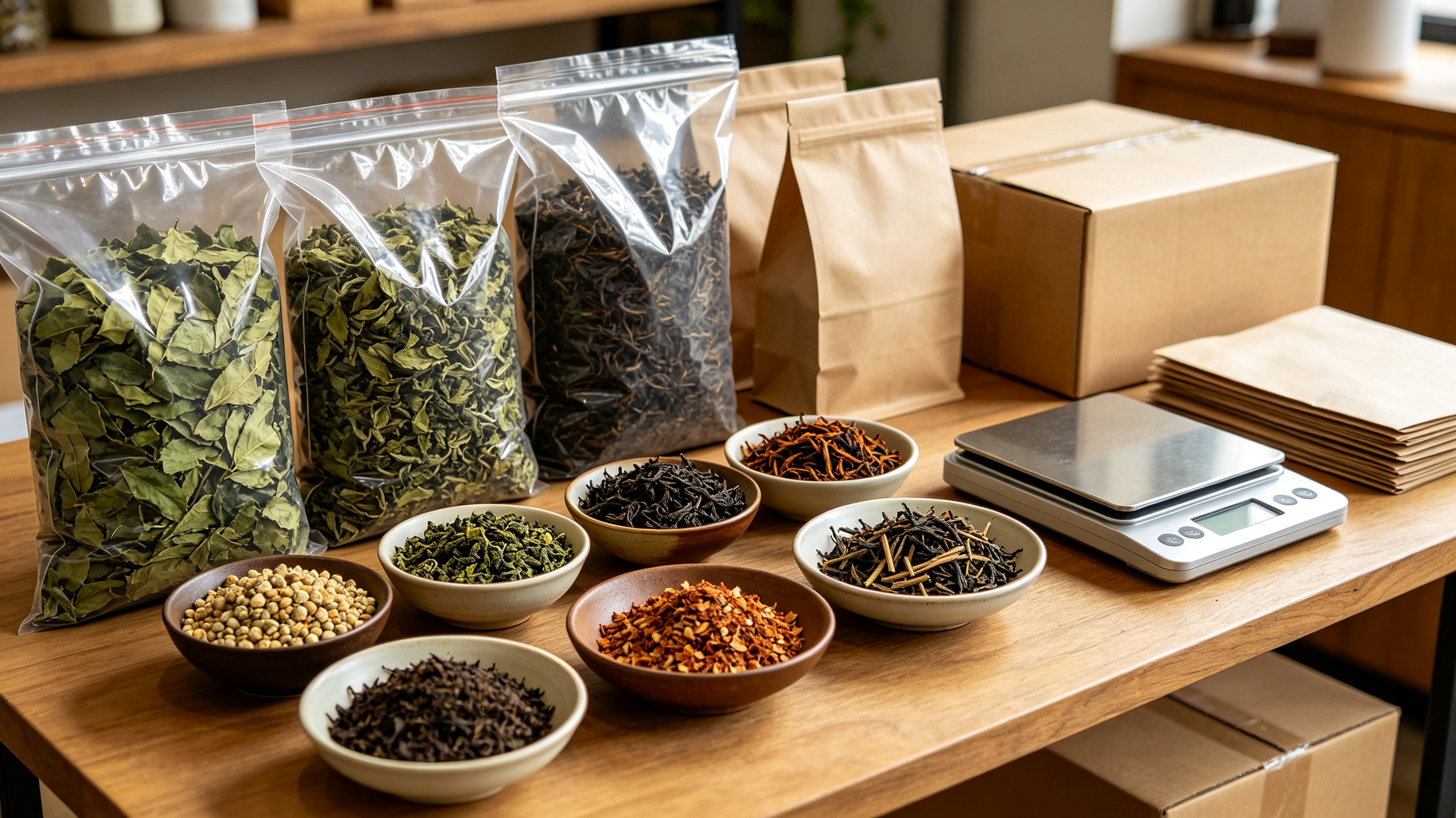
Bulk Tea Buying Starts With Your Finished Cup
Bulk tea is often quoted by kilogram, but a cafe or retailer earns money one serving or one package at a time. Before comparing bulk prices, define the finished drink or retail pack: grams per serving, brew method, selling price, expected turnover, and how long the tea must stay fresh after opening.
For Cafes
Test tea under service conditions. Use the actual water, brewer, ice, milk, cup size, and preparation time. A tea that tastes impressive in a small tasting gaiwan may be too delicate, too expensive, or too slow for a busy service line.
For Retailers
Retailers need a tea that customers can reproduce at home. Brewing instructions, package size, freshness window, and clear flavor description help reduce returns and disappointment. Keep enough margin for samples and occasional promotions.
For Online Brands
Shipping changes packaging requirements. A pouch must protect aroma after warehouse handling and parcel transit. Large tins can look premium but add dimensional weight. Test a fully packed parcel, not only the tea bag itself.
How to Compare Bulk Quotes
| Cost item | Why it matters |
|---|---|
| Tea price | Base product cost |
| Inner packaging | Freshness and portioning |
| Retail packaging | Brand and compliance |
| Cartons | Damage protection and freight volume |
| Freight and duties | Landed cost |
| Waste and samples | Real usable yield |
| Labor | Brewing or packing cost |
Approve a Brewing Standard
Write down grams of tea, water volume, temperature, time, and number of infusions used during sample approval. This creates a common reference when comparing suppliers or checking a later batch.
Do Not Overbuy Delicate Tea
Green tea, floral tea, and other aroma-sensitive products can lose their best character before you sell through an oversized bulk order. A higher unit price in a smaller, faster-moving order can create a better customer product than old discounted inventory.
Ask About Packaging and OEM Together
If a supplier can both provide the tea and pack it into finished retail units, compare that route with importing bulk tea and packing locally. The better option depends on labor, compliance, freight, and minimum order quantities.
Teazenway states that it supports both bulk tea and customized packaged tea: review its supply model.
For custom products, see Teazenway Custom Products.
The Cheapest Kilogram Is Not the Cheapest Product
Bulk tea becomes profitable when it tastes good in the final format, stays fresh through the selling cycle, and can be reordered with predictable quality. Calculate from the customer’s cup or package backward; the kilogram price then becomes one input instead of the entire decision.