

Loose Leaf Tea for Beginners: A Simple First Week Plan
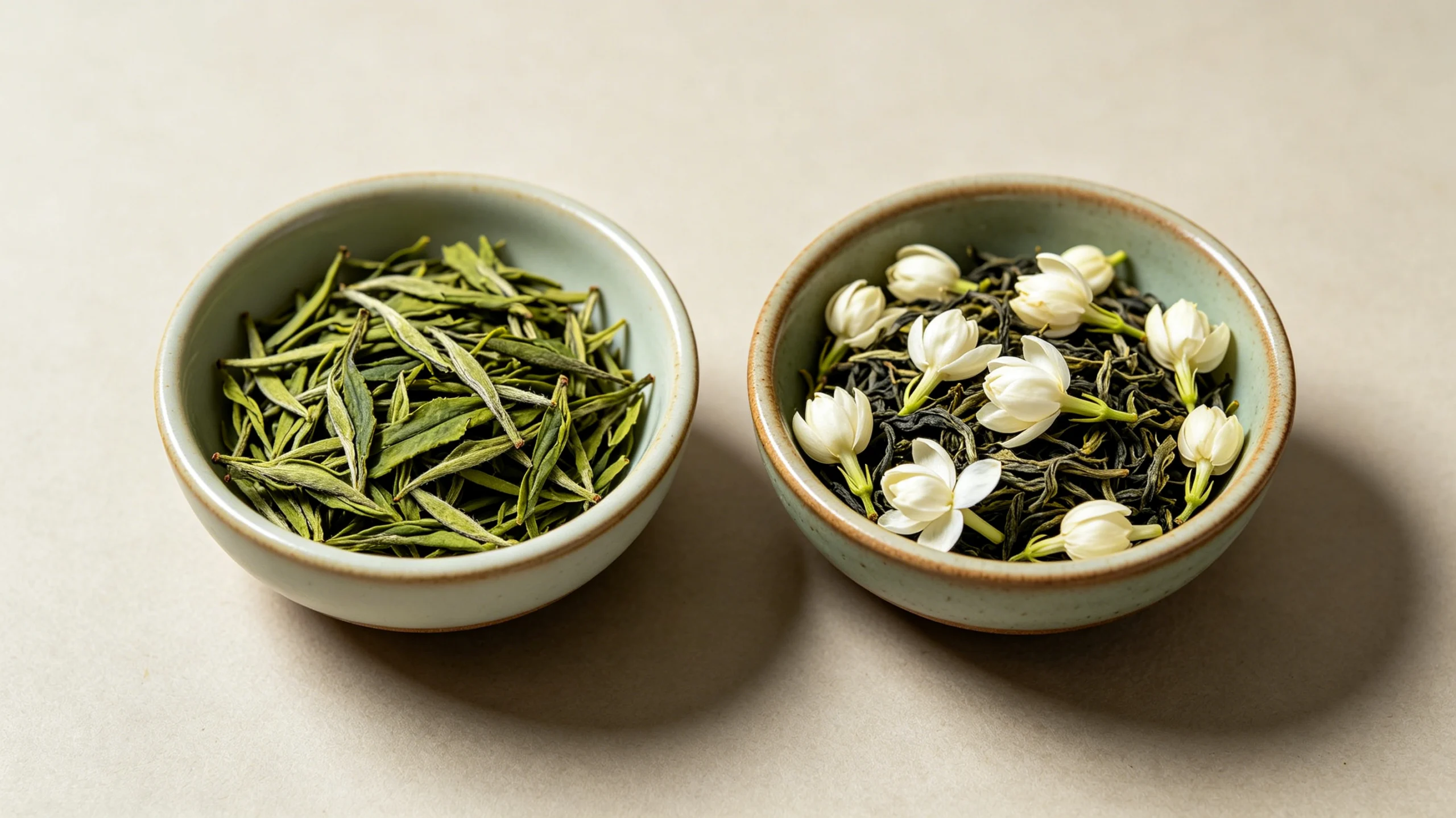
Loose leaf tea for beginners can feel confusing because there are many tea types, brewing tools, temperatures, and opinions. The good news is that you do not need to master everything before making a better cup.
A simple first week plan can help you learn by drinking, not by memorizing tea vocabulary.
Day One: Choose One Tea You Already Understand
Start with a familiar category. If you like light drinks, choose green or white tea. If you like fuller flavor, choose black tea. If you want caffeine-free options, choose fruit or herbal infusion.
Browsing a focused loose leaf tea collection can help you compare tea types without jumping across unrelated products.
Day Two: Use a Simple Brewing Setup
You need a mug, an infuser with enough space, fresh water, and a timer. Avoid tiny infusers that trap leaves tightly. Loose tea needs room to open.
Start with one teaspoon per cup unless the leaves are very large or the product suggests otherwise.
Day Three: Learn Water Temperature
Not every tea wants boiling water. Green tea and white tea usually prefer cooler water. Black tea, pu’er, and many herbal infusions can handle hotter water.
If you do not have a temperature-control kettle, let boiling water cool briefly before brewing delicate teas.
Day Four: Adjust Steeping Time
Steeping time changes flavor quickly. If your tea tastes bitter, shorten the time. If it tastes weak, use more tea or steep slightly longer.
Do not judge a tea from one imperfect cup. Adjust one variable at a time.
Day Five: Taste Tea Plain First
Before adding honey, milk, lemon, or sugar, taste the tea plain. This helps you understand whether the tea is naturally sweet, brisk, floral, grassy, malty, or fruity.
Extras are fine, but they should improve the cup rather than hide problems.
Day Six: Try a Second Infusion
Many loose leaf teas can be brewed more than once. Oolong, white tea, pu’er, and some green teas often change pleasantly in later infusions.
Use the same leaves, add fresh water, and steep again. Notice whether the flavor becomes softer or sweeter.
Day Seven: Store Your Tea Properly
Keep tea away from heat, light, moisture, and strong odors. Use an airtight container and avoid storing tea near coffee, spices, or the stove.
Good storage protects the flavor you paid for.
Common Beginner Mistakes
- Buying too many teas at once: Start small and learn your taste.
- Using boiling water for everything: Delicate teas can turn bitter.
- Oversteeping: More time is not always better.
- Using cramped infusers: Leaves need space.
- Expecting every tea to taste strong: Some teas are meant to be subtle.
FAQ
What loose leaf tea should beginners try first?
Start with a tea category you already enjoy, such as green tea, black tea, fruit tea, or mint herbal tea.
Do beginners need a teapot?
No. A mug and a basket infuser are enough to start.
Why does my loose leaf tea taste bitter?
Bitterness often comes from water that is too hot, steeping too long, or using too many leaves.
Make Tea Easier, Not Harder
The best beginner plan is simple: choose one tea, brew it carefully, taste it honestly, and adjust slowly. Loose leaf tea becomes enjoyable when it fits your real routine, not when it turns into a set of rules.