
Glass Teapot Guide
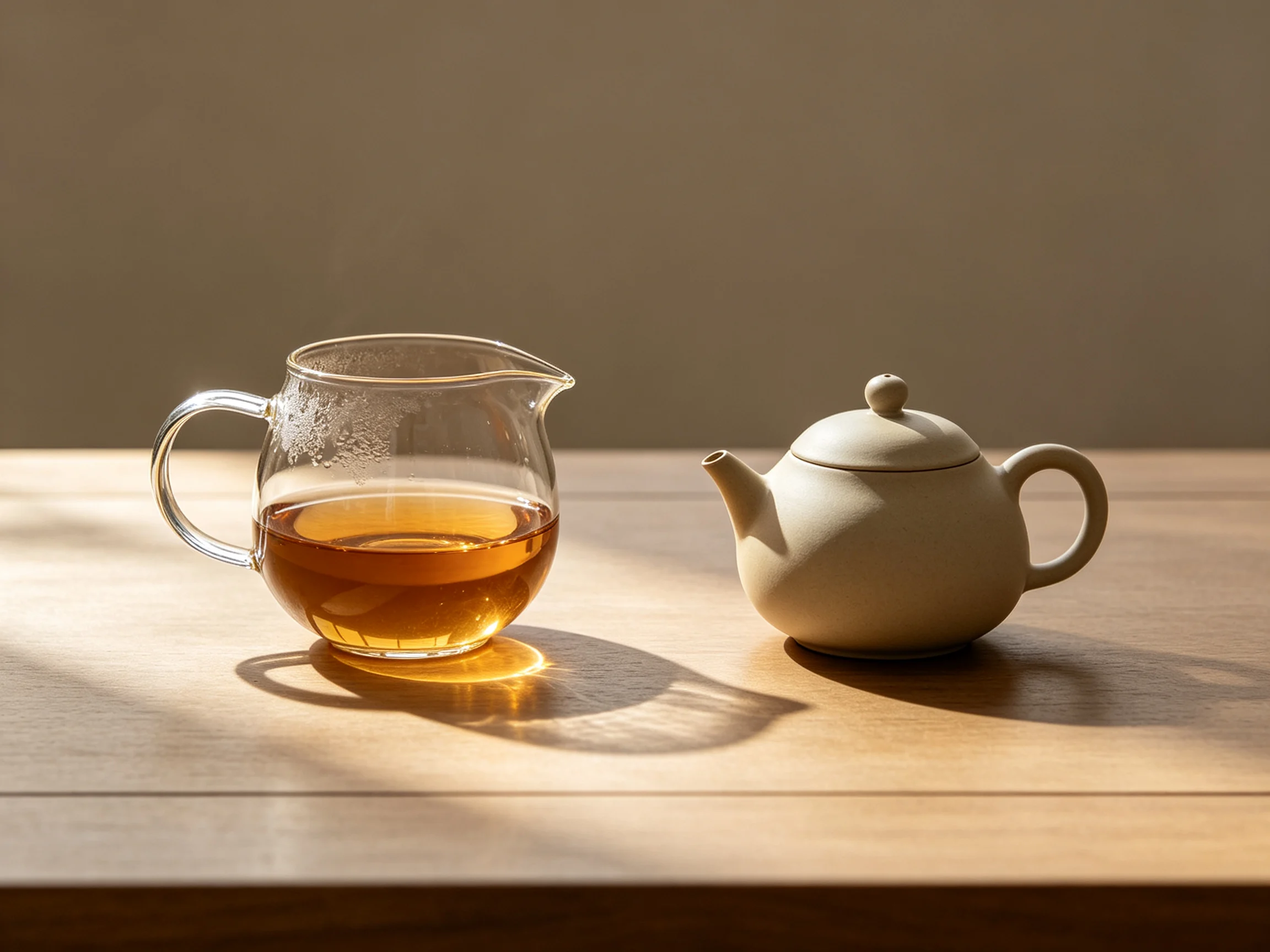
A glass teapot is one of the easiest pieces of teaware to understand because it lets you see what is happening inside the cup before you pour. You can watch green tea leaves open, flower tea unfold, fruit tea release color, or herbal infusions deepen slowly in the water. For people who are new to loose leaf tea, that visibility can make brewing feel less mysterious.
Still, not every glass teapot is equally useful. Some are beautiful but hard to clean. Some have filters that are too small for loose leaves. Some are too large for one person and too small for guests. This guide explains how to choose a glass teapot that fits your tea style, your routine, and the kind of cup you actually want to make.
What Is a Glass Teapot?
A glass teapot is a transparent teapot designed for brewing and serving tea. Many modern glass teapots are made with heat-resistant glass and include a removable infuser, strainer, or filter for loose leaf tea.
The main advantage is visibility. With a glass teapot, you can see the color of the tea liquor, the movement of the leaves, and whether the infusion is becoming too dark. This is helpful for beginners because visual cues make it easier to learn timing and strength.
Glass teapots are especially popular for green tea, flower tea, fruit tea, herbal infusions, blooming tea, and lightly colored teas. They can also work for black tea, oolong, and other loose leaf styles if the design gives the leaves enough room.
Is a Glass Teapot Good for Loose Leaf Tea?
A glass teapot can be very good for loose leaf tea if it has enough space for the leaves and a practical filter. Loose leaf tea expands as it steeps, so the shape of the infuser matters as much as the shape of the pot.
A wide removable basket infuser is usually easier to use than a tiny narrow filter. Large leaves, rolled oolong, white tea, flower tea, and fruit blends need room to open. If the infuser is too cramped, the tea may taste weaker or less balanced.
For everyday use, look for a glass teapot that is easy to fill, easy to pour, easy to strain, and easy to clean. A teapot that looks elegant but is inconvenient will probably stay on the shelf.
Glass Teapot vs Ceramic Teapot
The main difference between a glass teapot and a ceramic teapot is visibility and heat retention. A glass teapot lets you see the tea as it brews. A ceramic teapot usually keeps heat better and can feel more traditional or substantial.
Glass is useful when you want to observe delicate teas, colorful infusions, or flowering teas. Ceramic is useful when you want warmth, comfort, and a slightly more insulated brewing vessel.
Neither is automatically better. Choose glass if visual brewing, easy monitoring, and presentation matter to you. Choose ceramic if you care more about heat retention, a warmer hand feel, or a more classic tea table style.
What Size Glass Teapot Should You Buy?
The best glass teapot size depends on how many people you usually serve. A smaller teapot is often better for one person, while a larger teapot is more useful for guests or iced tea preparation.
- 300–500 ml: Good for one person or short tea sessions.
- 600–800 ml: Good for two people or everyday shared tea.
- 900–1200 ml: Good for guests, fruit tea, herbal tea, or iced tea batches.
Bigger is not always better. If the pot is too large, you may use too much tea or leave brewed tea sitting for too long. If the pot is too small, you may need to refill constantly when serving others.
How to Choose a Glass Teapot With Infuser
A good glass teapot with infuser should make brewing easier, not more complicated. Before buying, pay attention to the filter design, handle comfort, lid fit, pouring control, and cleaning access.
- Infuser space: Choose a wide infuser if you brew loose leaf tea often.
- Removable design: A removable infuser lets you stop steeping at the right time.
- Pouring control: The spout should pour smoothly without dripping heavily.
- Handle comfort: The handle should feel stable when the pot is full.
- Lid fit: A loose lid can feel awkward when pouring.
- Cleaning access: Wide openings are easier to rinse and dry.
If you are comparing teapots, cups, infusers, and tea sets, browsing a focused tea ware collection can help you think in terms of daily use rather than decoration alone.
Best Teas to Brew in a Glass Teapot
A glass teapot works especially well with teas that are visually appealing or easy to monitor by color. It is a good choice when the brewing experience is part of the enjoyment.
Green Tea
Green tea is a natural match for glass because you can watch the liquor shift from pale yellow to soft green or gold. The clear pot also reminds you not to overbrew delicate leaves.
Flower Tea
Flower tea looks beautiful in glass. Jasmine, rose, chrysanthemum, globeflower, and other floral infusions can create a calm visual experience as they open in water.
Fruit Tea
Fruit tea often releases vivid color, especially blends with hibiscus, berries, citrus peel, or dried fruit. A glass teapot makes the color part of the serving experience.
Herbal Infusions
Herbal teas can vary widely in color and texture. A glass pot makes it easier to see when leaves, flowers, roots, or fruit pieces have fully opened.
Blooming Tea
Blooming tea is designed to be seen. A glass teapot is the best choice if you want to watch the tea ball open slowly into a flower-like shape.
How to Use a Glass Teapot
Using a glass teapot is simple, but a few habits will make the tea taste better and help the teapot last longer.
- Warm the teapot with a little hot water, then discard that water.
- Add loose leaf tea to the infuser or directly into the pot if using a separate strainer.
- Pour water at the right temperature for the tea type.
- Watch the color and set a timer so the tea does not oversteep.
- Remove the infuser or pour out the tea when the flavor is ready.
- Rinse the pot after use and let it dry fully before storing.
Do not treat every tea the same way. Green tea and white tea usually need gentler water than black tea or many herbal infusions. The teapot helps you see the infusion, but timing and temperature still matter.
How to Clean a Glass Teapot
The easiest way to clean a glass teapot is to rinse it soon after use, before tea stains dry on the surface. Remove the infuser, discard the leaves, and rinse both the pot and filter with warm water.
For light stains, use a soft sponge and mild dish soap. Avoid harsh abrasives that can scratch the glass. If tea stains build up, soak the pot in warm water before cleaning rather than scrubbing aggressively.
Dry the teapot fully before storing it. Moisture trapped in the lid, spout, or filter can create unwanted smells and make the next brew less pleasant.
Common Glass Teapot Mistakes to Avoid
Most glass teapot problems come from choosing the wrong size, using a cramped infuser, or forgetting that glass still needs careful handling.
- Buying only by appearance: A beautiful teapot is not useful if it drips, traps leaves, or is hard to clean.
- Choosing a tiny infuser: Loose leaves need room to expand.
- Using the wrong size: Oversized pots can lead to weak tea or wasted leaves.
- Leaving tea in the pot too long: Oversteeping can make the cup bitter or heavy.
- Ignoring heat safety: Use heat-resistant glass and follow the product’s care instructions.
- Letting stains build up: Rinse soon after use to keep the glass clear.
FAQ
Is a glass teapot good for loose leaf tea?
Yes. A glass teapot is good for loose leaf tea when it has enough space for the leaves and a removable infuser or practical strainer. It is especially useful for green tea, flower tea, fruit tea, and herbal infusions.
Can a glass teapot handle boiling water?
Some glass teapots are made with heat-resistant glass, but you should always follow the product’s care instructions. Even when the glass can handle hot water, not every tea should be brewed with boiling water.
What size glass teapot should I buy?
For one person, 300–500 ml is usually enough. For two people, 600–800 ml is practical. For guests or iced tea batches, 900–1200 ml may be more useful.
Is a glass teapot better than ceramic?
A glass teapot is better if you want to see the tea as it brews. A ceramic teapot is often better for heat retention and a more traditional feel. The right choice depends on how you drink tea.
How do you keep a glass teapot clear?
Rinse it soon after each use, clean it with a soft sponge, avoid harsh abrasives, and let it dry fully before storing. Regular cleaning keeps tea stains from building up.
Build a Tea Setup You Will Actually Use
A glass teapot should make tea easier, clearer, and more enjoyable. Choose one with the right size, a practical infuser, comfortable handling, and a design you can clean without frustration. The best teapot is not just the one that looks beautiful on a shelf. It is the one you reach for often.
Start with the teas you brew most: green tea, flower tea, fruit tea, herbal infusions, or blooming tea. Then choose a glass teapot that fits those habits. When the teapot matches your routine, loose leaf tea becomes simpler to brew and more satisfying to serve.