
Loose Leaf Tea: A Practical Buying Guide
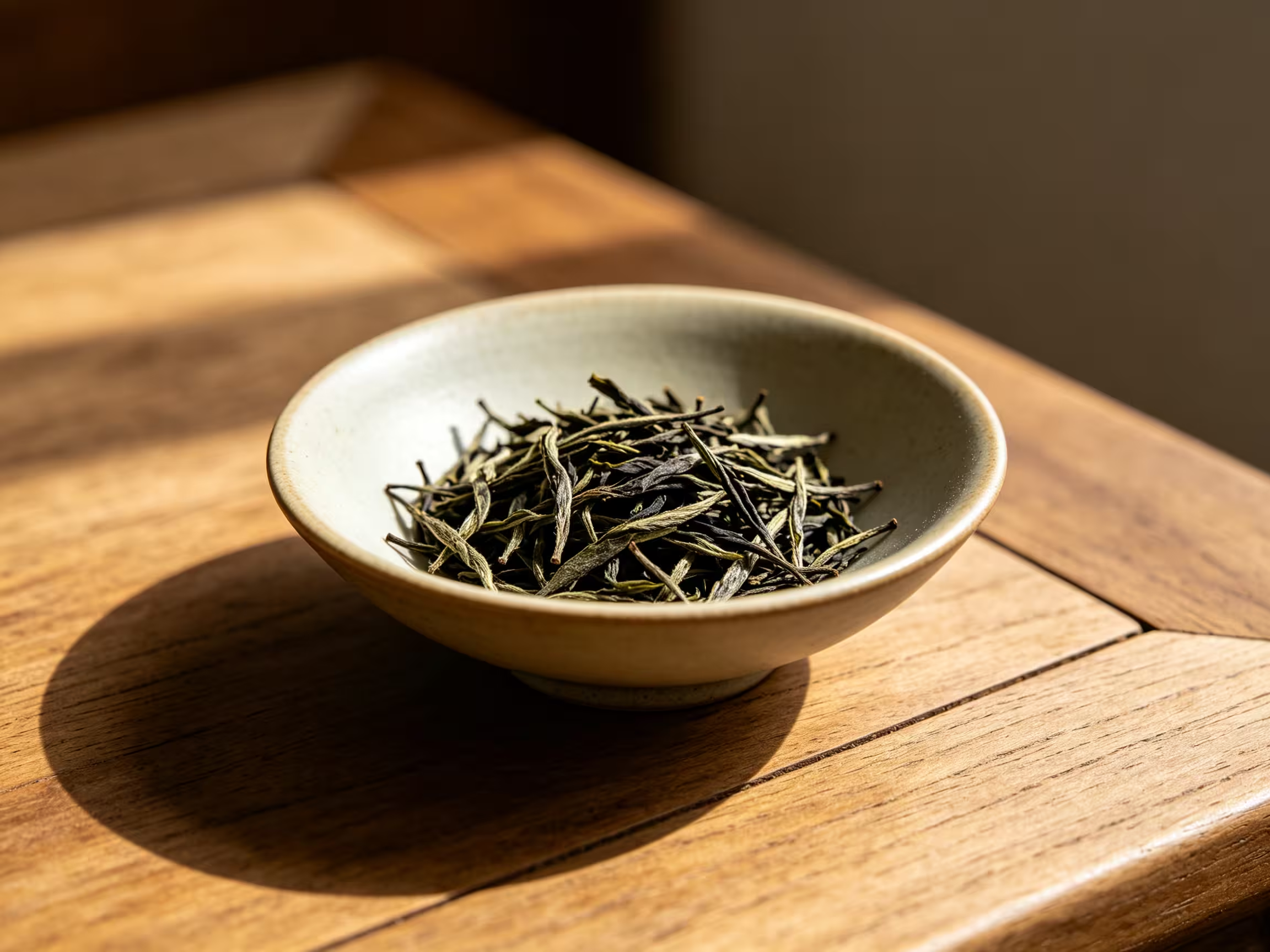
Loose Leaf Tea: How to Choose, Brew, and Buy Better Tea
Loose leaf tea can turn a simple cup into something more personal: aroma you can notice before the first sip, leaves you can see and smell, and a brewing style you can adjust to your own taste. For many people, the challenge is not whether loose tea sounds appealing. The real question is how to choose it without feeling lost among green tea, black tea, oolong, pu’er, flower tea, fruit tea, and wellness blends.
This guide is written for tea drinkers who want a better everyday cup without turning tea into a complicated hobby. You will learn what loose leaf tea is, how it differs from tea bags, what signs suggest better quality, how to brew it at home, and what to consider before buying tea online.
What Is Loose Leaf Tea?
Loose leaf tea is tea sold as loose leaves, buds, flowers, herbs, fruit pieces, or blends instead of being packed inside a single-use tea bag. In traditional tea categories, the leaves usually come from the Camellia sinensis plant. Green tea, black tea, white tea, oolong tea, and pu’er tea all come from this plant, but they are processed differently.
Herbal teas, flower teas, and fruit teas are slightly different. They are often called teas in everyday language, but many are technically infusions because they may not contain Camellia sinensis. That does not make them less useful or enjoyable. It simply means their flavor, caffeine level, and brewing needs can be different from classic tea leaves.
The main appeal of loose leaf tea is control. You can see the leaf size, smell the dry leaves, adjust the amount you use, change the water temperature, and steep again if the tea allows it. That control helps you build a cup around your own taste instead of accepting a fixed result.
Loose Leaf Tea vs Tea Bags: What Is the Real Difference?
The difference between loose leaf tea and tea bags usually comes down to leaf size, brewing space, convenience, and control. Tea bags are easy to use, fast to clean up, and practical for offices or travel. Loose leaf tea asks for a little more attention, but it often gives you more room to shape flavor.
Loose leaves usually have more space to expand during steeping. When leaves open fully in hot water, they can release aroma and flavor more evenly. By contrast, many standard tea bags hold smaller pieces that infuse quickly. That can be useful when you are in a hurry, but it may also create a flatter or more astringent cup if the tea is oversteeped.
That does not mean every loose tea is excellent or every tea bag is poor. Quality depends on the tea itself, how it was processed, how it was stored, and how it is brewed. A thoughtful buyer should compare tea by appearance, aroma, freshness, and seller transparency rather than judging by format alone.
How to Choose Loose Leaf Tea by Taste
The easiest way to choose loose leaf tea is to start with the kind of flavor you already enjoy. Instead of asking which tea is “best,” ask what you want your cup to feel like: bright, floral, roasted, bold, mellow, fruity, earthy, or calming.
Green Tea
Green tea is often a good choice if you enjoy a fresh, clean, grassy, vegetal, or lightly sweet cup. It can be delicate, so it usually benefits from slightly cooler water and shorter steeping times. If your green tea tastes harsh, the water may be too hot or the steep may be too long.
Black Tea
Black tea is usually fuller, darker, and more robust. It can taste malty, fruity, woody, honeyed, or brisk depending on origin and processing. It is often a comfortable choice for people moving from breakfast tea bags to loose leaves because the flavor feels familiar but more layered.
Oolong Tea
Oolong sits between green and black tea in oxidation, but its flavor range is wide. Some oolongs are floral and light, while others are roasted, creamy, mineral, or deeply aromatic. Oolong is a strong choice for curious drinkers because many styles can be steeped more than once.
White Tea
White tea tends to be gentle, soft, and subtle. It may have notes of hay, honey, flowers, melon, or dried fruit. It is a good option when you want a quiet cup rather than a strong one. Because white tea is delicate, it rewards slower tasting.
Pu’er Tea
Pu’er tea is known for deeper, earthier flavors. Some styles are smooth and dark, while others are brighter and more structured. It is not always the first tea beginners choose, but it can become a favorite for people who enjoy aged, complex, or grounding flavors.
Flower, Fruit, and Herbal Infusions
Flower, fruit, and herbal blends are useful when you want fragrance, color, or a caffeine-free option. They can work well in the evening, as iced tea, or as a gentle alternative to sweet drinks. When buying these blends, look for clear ingredient descriptions so you know whether the flavor comes from real botanicals, added flavoring, or both.
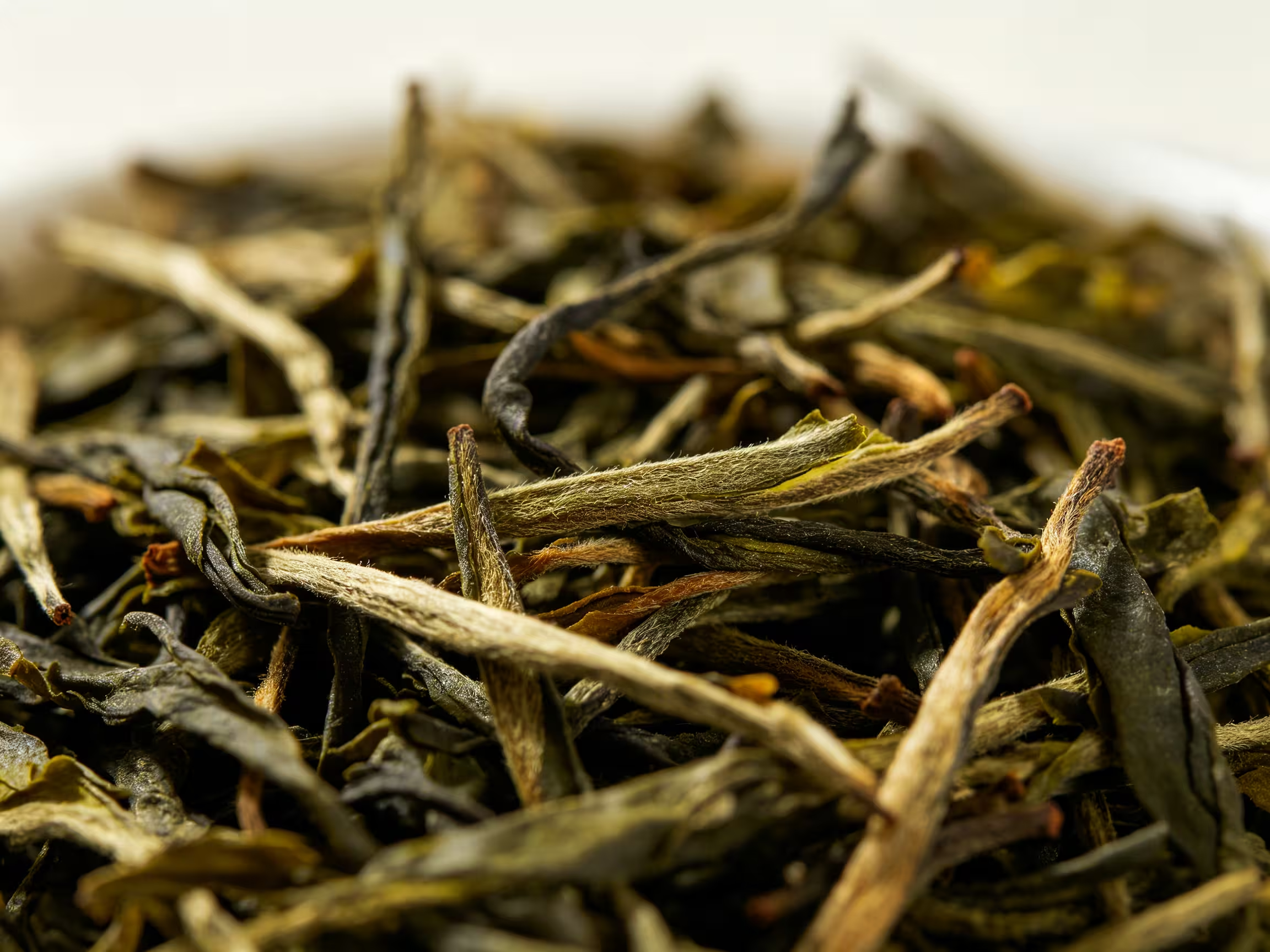
How to Judge Loose Leaf Tea Quality Before You Buy
Good loose leaf tea does not need dramatic claims. It should give you enough information to make a confident choice. Before buying, look for signs that the seller understands the tea and is willing to describe it clearly.
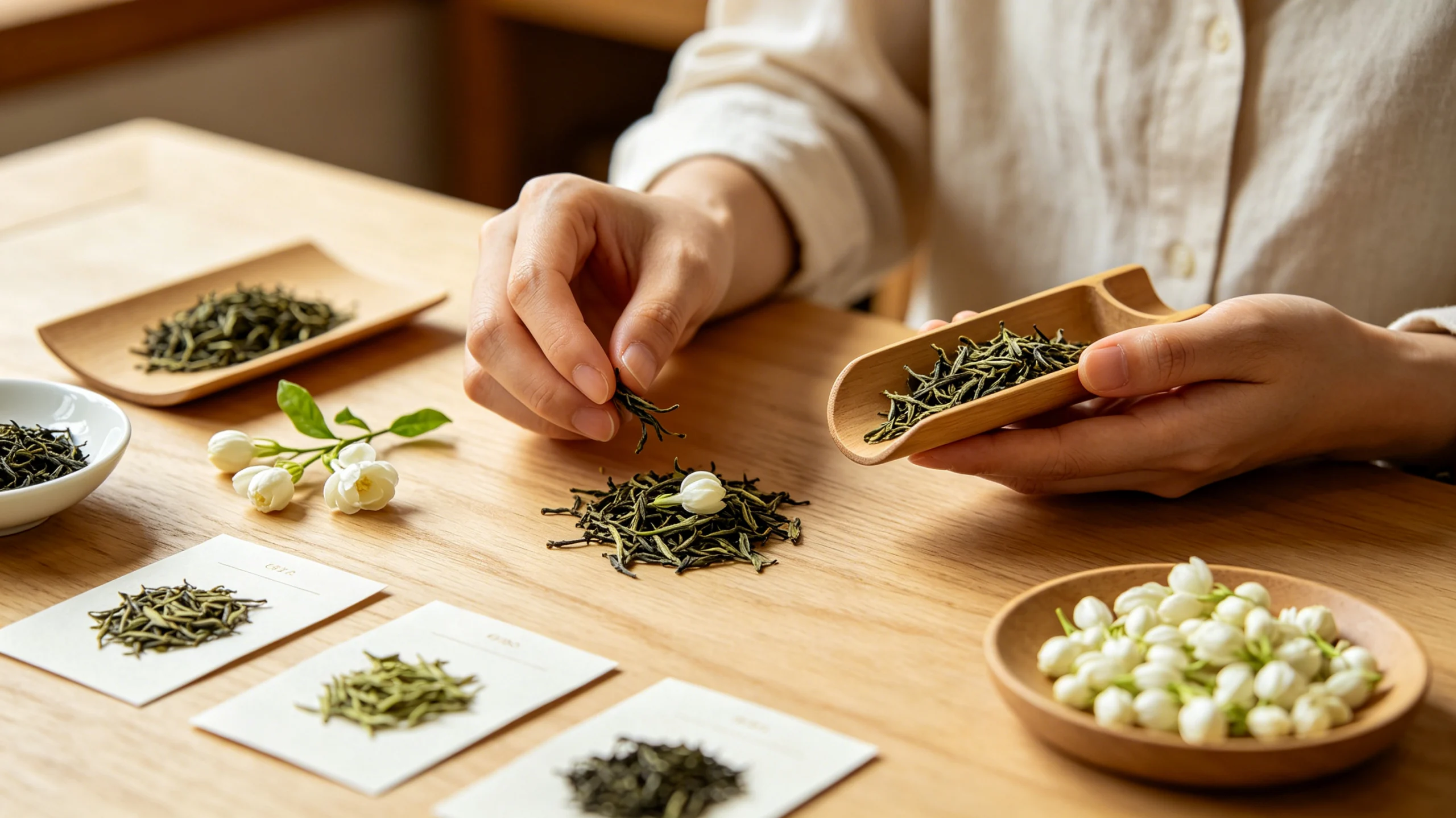
- Leaf appearance: The leaves should look appropriate for the tea type. Whole or well-shaped leaves often suggest more careful handling, while excessive dust can be a warning sign.
- Aroma: Fresh dry tea should have a clear smell. It may be floral, grassy, roasted, fruity, woody, or earthy, but it should not smell stale, damp, sour, or musty.
- Ingredient clarity: Blends should list what is inside them. This matters for flavor expectations, caffeine preference, and allergy awareness.
- Brewing guidance: A useful product page should help you understand amount, water temperature, and steeping time, even if you later adjust them.
- Packaging: Tea should be protected from air, light, moisture, and strong odors. Poor storage can flatten even a good tea.
- Purpose: Decide whether the tea is for daily drinking, gifting, iced tea, café service, tasting, or a quiet evening routine. The right choice depends on use.
Price can matter, but it should not be the only signal. A costly tea is not automatically right for your taste, and an affordable tea is not automatically low quality. The better question is whether the tea gives you a clear, enjoyable cup for the way you actually drink.
How to Brew Loose Leaf Tea at Home
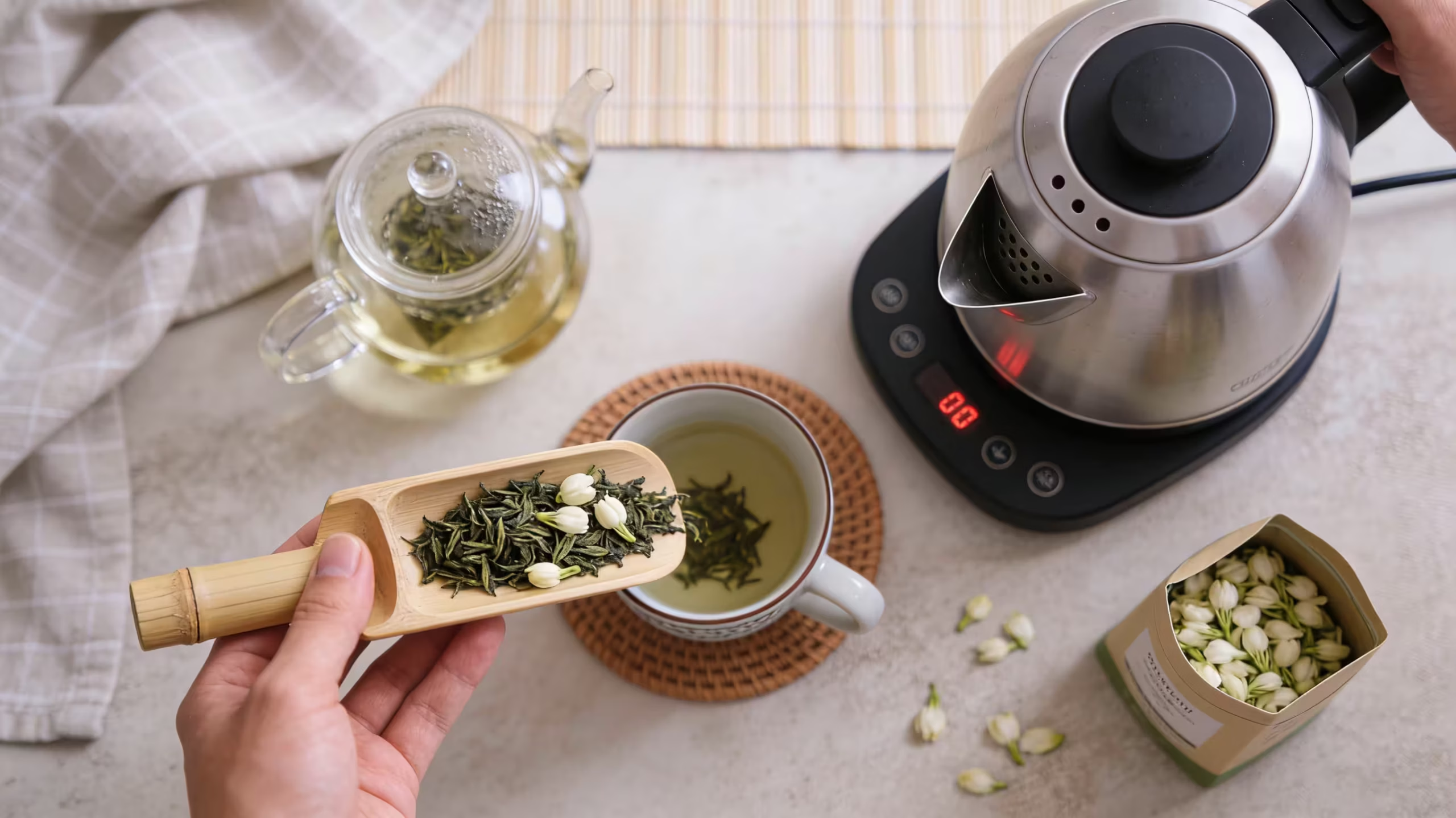
The easiest way to brew loose leaf tea is to use the right amount of tea, clean water, enough room for the leaves to open, and a steeping time that matches the tea type. You do not need expensive equipment to start.
- Choose a mug, teapot, basket infuser, or brewing cup with enough space for the leaves.
- Use about one teaspoon of tea per cup as a starting point, then adjust by taste.
- Heat water to a temperature that suits the tea. Delicate green and white teas usually prefer cooler water than black tea or many herbal infusions.
- Steep for a short, controlled time first. You can always steep longer next time.
- Taste before adding sweetener, milk, lemon, or other ingredients.
- For teas that allow it, steep the same leaves again and notice how the flavor changes.
If your tea tastes bitter, use cooler water, a shorter steep, or fewer leaves. If it tastes weak, use more tea, steep slightly longer, or make sure the leaves have enough room to expand. Small adjustments often fix the cup faster than changing the tea itself.
How to Buy Loose Leaf Tea Online With Confidence
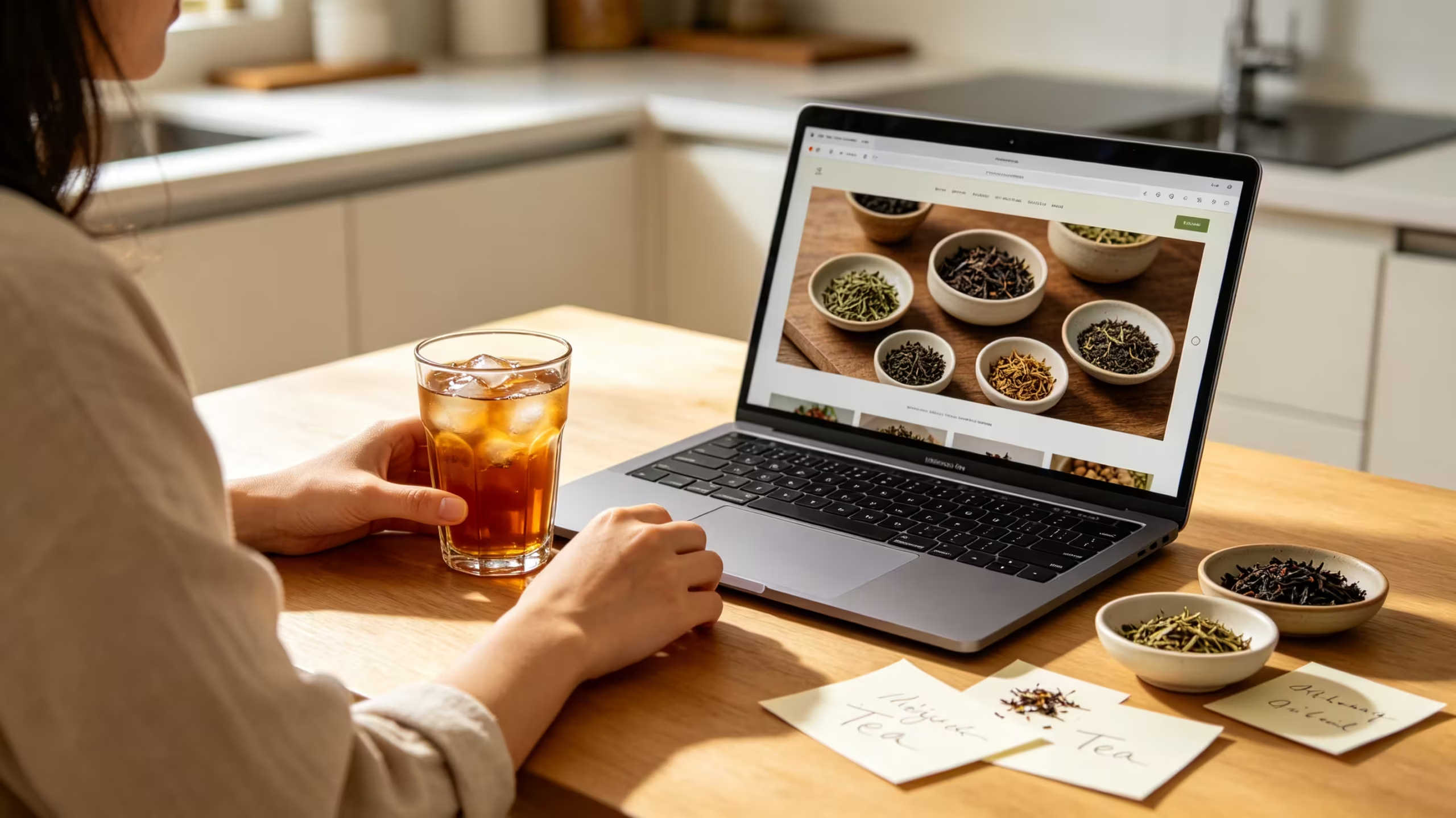
Buying loose leaf tea online is easier when you know what information to look for. A good product page should help you understand flavor, ingredients, tea type, quantity, packaging, and intended use. Clear descriptions reduce guesswork and make repeat purchases easier.
Before you order, ask a few practical questions. Do you want caffeine or caffeine-free? Do you prefer hot tea, iced tea, or both? Are you buying for yourself, for guests, for a café menu, or as a gift? Do you want a familiar flavor or something more exploratory?
If you are comparing options, browsing a focused loose leaf tea collection can help you move from broad research to a more practical shortlist. Look at tea type, flavor description, size options, and whether the product fits your daily routine rather than choosing only by name.
For beginners, it is usually smarter to start with two or three styles instead of buying many teas at once. Choose one familiar tea, one lighter or more aromatic tea, and one caffeine-free or evening-friendly infusion. This gives you contrast without overwhelming your shelf.
Common Loose Leaf Tea Mistakes to Avoid
Most disappointing cups come from simple mistakes, not bad taste. Loose leaf tea becomes easier once you know what to avoid.
- Using boiling water for every tea: Some teas become harsh when the water is too hot, especially delicate green or white teas.
- Oversteeping: Longer is not always better. Too much time can bring out bitterness or dryness.
- Storing tea near spices or coffee: Tea absorbs odors easily, so strong smells can change the flavor.
- Buying only by appearance: Beautiful leaves are appealing, but aroma, freshness, and taste matter more.
- Ignoring your own routine: A tea that requires careful brewing may not fit a rushed morning. Choose tea for the life you actually live.
- Expecting every tea to taste strong: Some teas are meant to be subtle. Delicate does not mean weak if the flavor is clean and balanced.
How to Store Loose Leaf Tea So It Stays Fresh
Loose leaf tea should be stored in an airtight container away from heat, light, moisture, and strong odors. A cool cabinet is usually better than a sunny shelf or a spot near the stove.
Do not store tea in the refrigerator unless the seller specifically recommends it and the packaging is designed for that environment. Condensation can damage leaves when a cold container is opened in a warm room. For most everyday tea, a sealed pouch or tin in a dry cabinet works well.
Buy an amount you can finish within a reasonable time. Tea may not spoil like fresh food when stored properly, but aroma and flavor can fade. Smaller, fresher purchases are often more enjoyable than a large supply that sits too long.
FAQ
Is loose leaf tea better than tea bags?
Loose leaf tea often gives you more control over flavor, strength, and brewing style. Tea bags are more convenient, but loose leaves usually allow more aroma and texture when the leaves have room to open.
How much loose leaf tea should I use per cup?
A good starting point is about one teaspoon of loose leaf tea per cup. Use more for a stronger cup, less for a lighter one, and adjust based on leaf size and personal taste.
Can you brew loose leaf tea without a teapot?
Yes. You can use a basket infuser, tea filter, French press, or a mug with a strainer. The key is giving the leaves enough space and removing them when the steep is done.
Can loose leaf tea be steeped twice?
Many loose leaf teas can be steeped more than once, especially oolong, white tea, pu’er, and some green teas. The second cup may taste softer, sweeter, or more rounded than the first.
How should loose leaf tea be stored?
Store loose leaf tea in an airtight container away from light, heat, moisture, and strong odors. Keep it in a dry cabinet and close the package tightly after each use.
Conclusion
Loose leaf tea is not about making tea difficult. It is about giving yourself more choice: better control over flavor, more awareness of ingredients, and a calmer way to prepare something you drink often. Once you understand tea type, leaf quality, brewing basics, and storage, buying tea becomes less confusing and more enjoyable.
Start with the flavors you already like, try one new style at a time, and pay attention to how each cup responds to water temperature, steeping time, and leaf amount. A thoughtful tea habit grows slowly, and that is part of its appeal. When you are ready to compare options, choose teas that fit your taste, your schedule, and the kind of cup you actually want to make.