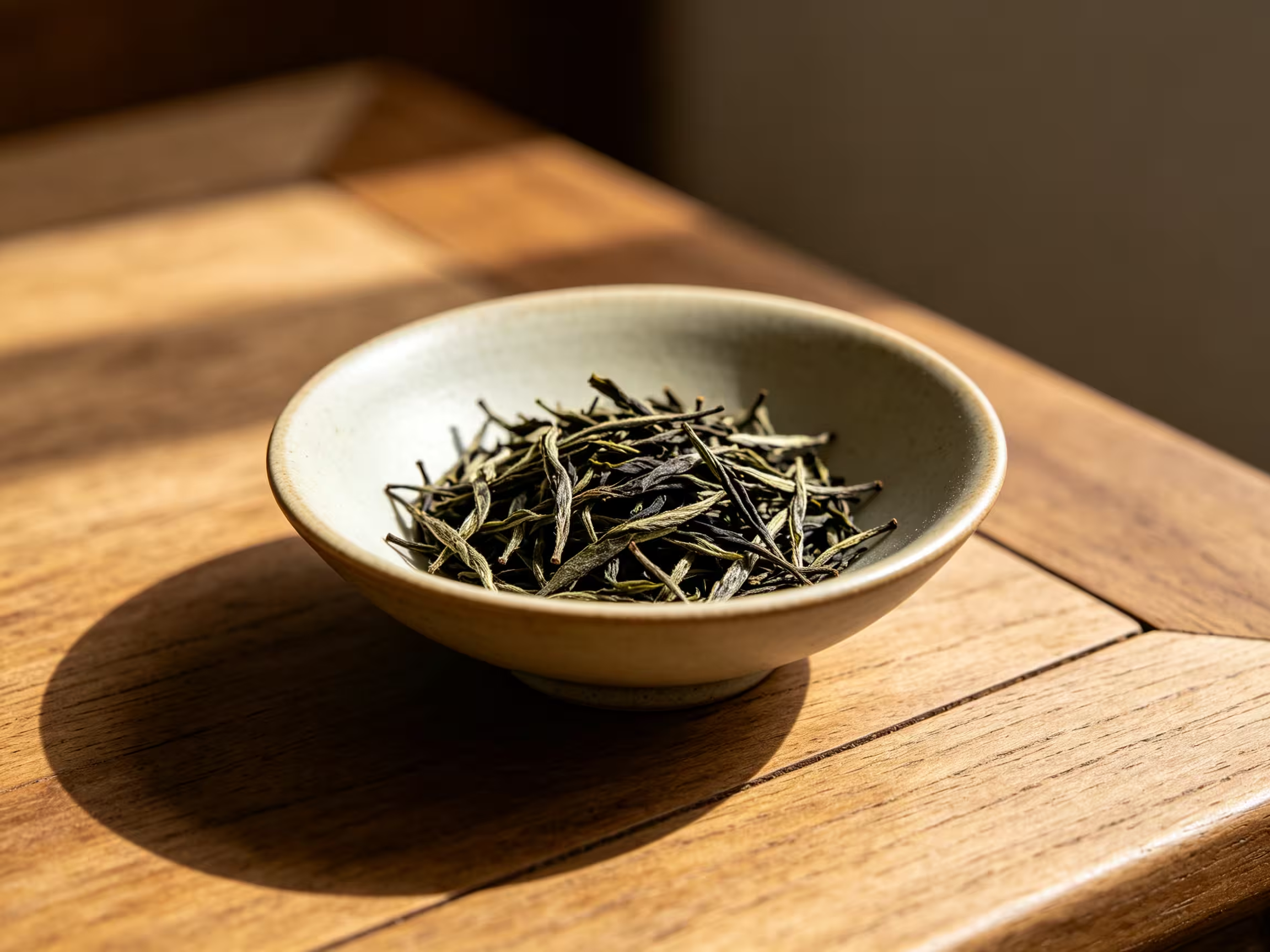

How to Brew Black Tea for a Smooth Cup
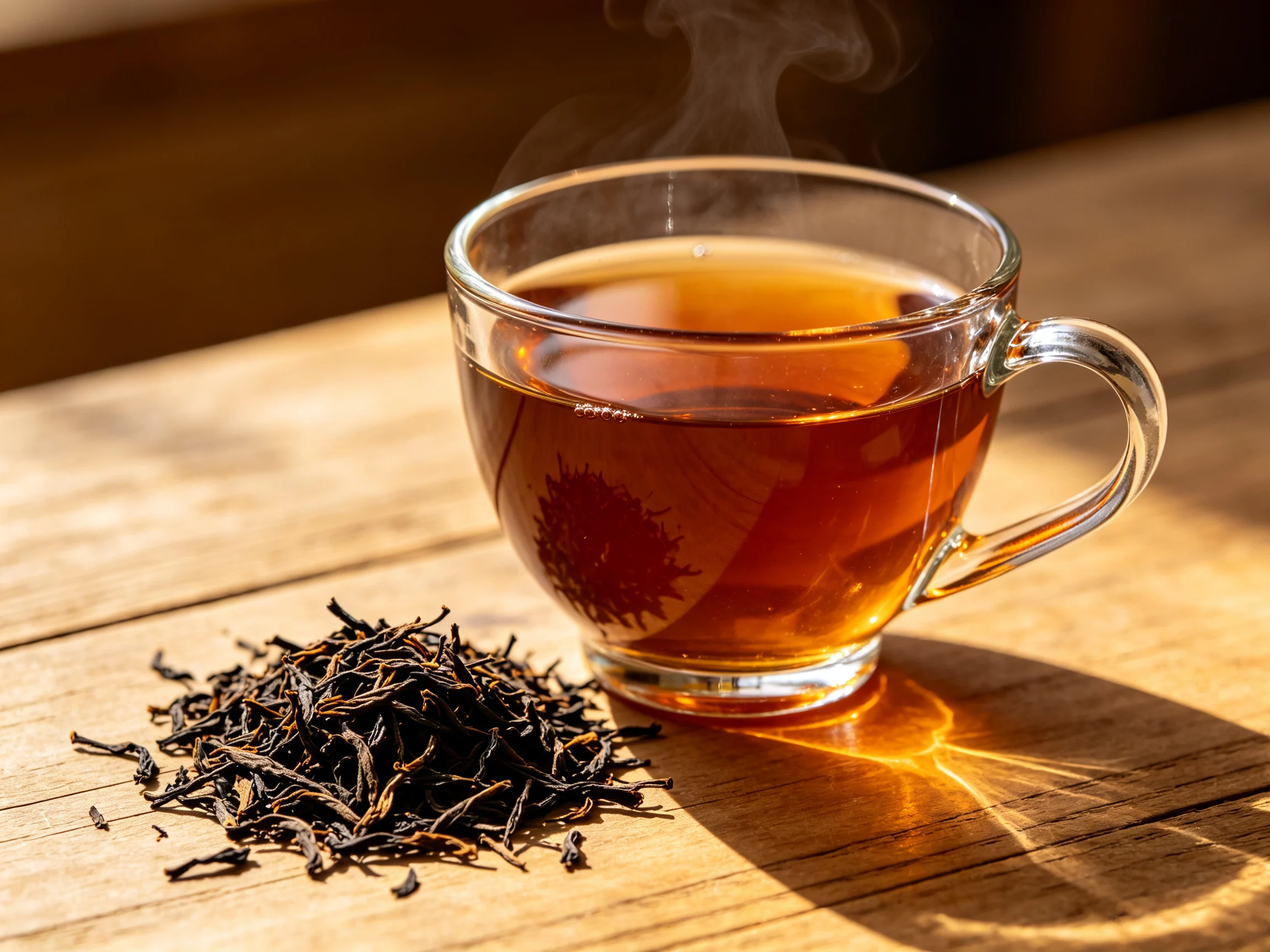
Learning how to brew black tea well can turn an ordinary cup into something rich, smooth, and satisfying. Black tea is more forgiving than green tea in some ways, but it can still become bitter, flat, overly strong, or dull if the water, steeping time, and tea amount are not balanced.
A good cup of black tea should have body without harshness. It may taste malty, fruity, brisk, honeyed, woody, floral, or gently roasted depending on the leaf and style. Whether you drink it plain, with milk, with lemon, or over ice, the best results come from understanding how black tea extracts flavor.
What Makes Black Tea Different?
Black tea is made from tea leaves that have been fully oxidized during processing. This gives it a darker color, fuller body, and stronger flavor compared with many green or white teas. Because of that structure, black tea can often handle hotter water and longer steeping than delicate teas.
That does not mean black tea should be ignored once water is poured. Oversteeping can still bring out bitterness and astringency. Too little tea can make the cup thin. Poor storage can make the leaves taste flat before you even begin brewing.
The goal is not to make black tea as strong as possible. The goal is to make it full, clear, and balanced enough that you want another sip.
The Best Way to Brew Black Tea
The best way to brew black tea is to use fresh water, the right amount of tea, hot water, and a controlled steeping time. Start with a simple method, then adjust based on taste.
- Use a clean cup, teapot, or infuser with enough room for the leaves.
- Add about one teaspoon of loose leaf black tea per cup.
- Use freshly heated water that is close to boiling for most black teas.
- Steep for 3 to 5 minutes, depending on the tea and your taste.
- Remove the leaves or strain the tea fully.
- Taste it plain before adding milk, lemon, honey, or sugar.
This gives you a reliable starting point. If the tea tastes too light, use more leaf next time. If it tastes harsh, shorten the steep or use slightly cooler water. Change one variable at a time so you know what actually improved the cup.
Black Tea Water Temperature
Black tea usually handles hotter water better than green tea or white tea. For many black teas, water close to boiling helps bring out body, aroma, and depth. This is one reason black tea is often used for breakfast blends, milk tea, and iced tea.
However, not every black tea needs aggressive heat. A delicate fruity black tea or a floral black tea may taste smoother if the water is allowed to cool slightly before pouring. Stronger breakfast-style teas can often handle hotter water more easily.
If your black tea tastes sharp or rough, try letting the water cool for a short time before brewing. If it tastes weak or flat, hotter water may help. The right temperature depends on the leaf, not just the category name.
Black Tea Steeping Time
Black tea steeping time usually falls between 3 and 5 minutes. A shorter steep may taste lighter and smoother. A longer steep may bring more strength, but it can also increase bitterness and astringency.
Many people assume that strong tea requires a very long steep. In reality, you can often create a fuller cup by using a little more leaf while keeping the steep controlled. This helps build body without dragging too much harshness from the tea.
Use a timer when trying a new black tea. Once you learn how a tea behaves, you can adjust naturally. Until then, timing helps you avoid guessing your way into a bitter cup.
How Much Loose Leaf Black Tea Should You Use?
A practical starting point is one teaspoon of loose leaf black tea per cup. This works for many everyday black teas, but leaf size and style matter. A fine-cut black tea may extract quickly, while larger twisted leaves may need more time or more volume.
If your tea tastes thin, increase the amount of tea slightly instead of steeping for much longer. If the tea tastes too strong, use less leaf or more water. The tea-to-water ratio is one of the easiest ways to adjust strength without ruining flavor.
When brewing for a teapot, think about the total amount of water, not just the number of cups. A larger teapot needs enough leaf to support the full volume, especially if you plan to serve guests or add milk.
Why Does Black Tea Taste Bitter?
Black tea tastes bitter when too much harsh flavor is extracted from the leaves. The most common causes are oversteeping, too much tea, water that is too hot for the specific leaf, or tea that is broken, old, or poorly stored.
Some briskness is normal in black tea. Briskness can make the cup feel lively, especially with breakfast tea or milk tea. But harsh bitterness is different. It makes the tea feel rough, drying, or unpleasant.
If your black tea is too bitter, shorten the steep first. If that does not help, use slightly less tea or slightly cooler water. If the tea still tastes flat and harsh, the leaves may not be fresh or balanced enough for the style you want.
Loose Leaf Black Tea vs Tea Bags
Loose leaf black tea often gives you more control than tea bags because you can adjust leaf amount, water volume, and steeping time more easily. Larger leaves may also release flavor more gradually than very broken tea.
Tea bags can be convenient, and some are perfectly drinkable, but they often brew quickly. That speed can be useful for a strong cup, but it can also make the tea turn bitter if left too long.
If you want to explore fuller, smoother, or more aromatic options, a focused black tea collection can help you compare different styles, including fruit-forward or flavored black teas that work well hot or iced.
Should You Add Milk to Black Tea?
Milk can work well with black tea, especially stronger, malty, brisk, or breakfast-style teas. It softens astringency, adds body, and creates a smoother drinking experience. However, not every black tea needs milk.
Fruity, floral, or delicate black teas may taste better plain or with lemon. A black tea with lychee, peach, citrus, or floral aroma can lose some of its brightness if too much milk is added. Taste the tea plain first, then decide.
If you plan to add milk, brew the tea slightly stronger than usual so the flavor does not disappear. Add a small amount of milk first, then adjust. The goal is balance, not turning the cup into warm milk with a hint of tea.
Can Black Tea Be Served Iced?
Black tea is one of the best tea types for iced tea because it has enough body to stay flavorful when chilled or poured over ice. It works with lemon, mint, peach, berries, honey, and many fruit additions.
For quick iced black tea, brew the tea slightly stronger than normal, strain it, let it cool, and pour it over ice. Melting ice will dilute the tea, so a stronger base helps keep the flavor clear.
You can also cold brew black tea. Add loose leaf black tea to cold water, refrigerate for several hours, and strain before serving. Cold brewing usually creates a smoother, less bitter cup, though the flavor may be softer than hot-brewed iced tea.
Can Black Tea Be Brewed More Than Once?
Some loose leaf black teas can be brewed more than once, especially larger leaf styles. The second infusion may be lighter, softer, or less brisk than the first. Fine-cut black tea or very small leaves may give most of their flavor in the first steep.
To try a second infusion, use the same leaves, add fresh hot water, and steep for a shorter time first. Taste the result before extending the time too much.
Multiple infusions are not always the goal with black tea, but they are worth trying when the leaves are whole enough and the first cup was not overextracted.
How to Make Black Tea Taste Better Naturally
Black tea can be adjusted in many ways without hiding its character. The key is to match the addition to the tea style.
- Milk: Works well with malty, brisk, or breakfast-style black tea.
- Lemon: Adds brightness to plain or fruity black tea.
- Honey: Softens the finish without overwhelming the cup.
- Mint: Makes iced black tea feel fresher.
- Fruit: Peach, berries, orange, and lychee-style flavors pair well with black tea.
- Spices: Cinnamon, ginger, and cardamom can support stronger black tea blends.
Taste the tea before adding anything. A well-brewed black tea may need less sugar, milk, or lemon than expected. Additions should make the tea more enjoyable, not cover a brewing mistake.
Common Black Tea Brewing Mistakes
Most black tea brewing mistakes come from assuming that stronger is always better. Black tea can be bold, but bold tea should still be balanced.
- Oversteeping: Long steeping can create bitterness and dryness.
- Using too much tea: More leaf can add body, but too much can become harsh.
- Letting leaves sit in the pot: The tea keeps extracting after it tastes ready.
- Adding milk too early: Taste the plain tea first so you understand the base flavor.
- Using stale tea: Old leaves may taste flat, dusty, or rough.
- Ignoring tea style: A fruity black tea and a breakfast black tea may need different handling.
How to Store Black Tea
Black tea should be stored away from air, moisture, heat, light, and strong odors. Although black tea may be less delicate than green tea, it can still lose aroma and freshness if stored poorly.
Use an airtight pouch, tin, or jar with a tight lid. Keep it in a dry cabinet away from coffee, spices, sunlight, and the stove. Avoid opening the container for long periods while making tea.
If you buy flavored black tea, keep it away from delicate teas. Strong aromas can move between teas if containers are not sealed well.
FAQ
How long should black tea steep?
Most black teas work well with a steeping time of 3 to 5 minutes. Shorter steeps are usually smoother, while longer steeps may become stronger but more bitter.
Should black tea be brewed with boiling water?
Many black teas can handle water close to boiling, but delicate or fruity black teas may taste smoother if the water cools slightly before brewing.
Why does black tea taste bitter?
Black tea usually tastes bitter when it is oversteeped, brewed with too much leaf, made with water that is too hot for the tea, or stored poorly.
Can black tea be brewed twice?
Some loose leaf black teas can be brewed more than once, especially larger leaf styles. The second infusion is usually lighter and softer.
Is loose leaf black tea better than tea bags?
Loose leaf black tea often gives you more control over strength, flavor, and steeping. Tea bags are convenient, but they can turn strong or bitter quickly if left too long.
Build a Better Black Tea Routine
A smoother cup of black tea starts with control. Use enough leaf, but not too much. Brew long enough to bring out body, but not so long that the cup turns harsh. Taste before adding milk, lemon, or sweetener. Store the leaves well so the tea starts fresh before it reaches the cup.
Once you understand how black tea responds to time, temperature, and tea amount, it becomes much easier to make it fit your day. It can be a strong morning drink, a calm afternoon cup, a bright iced tea, or a fruit-forward blend for guests. The method stays simple, but the results become much better.