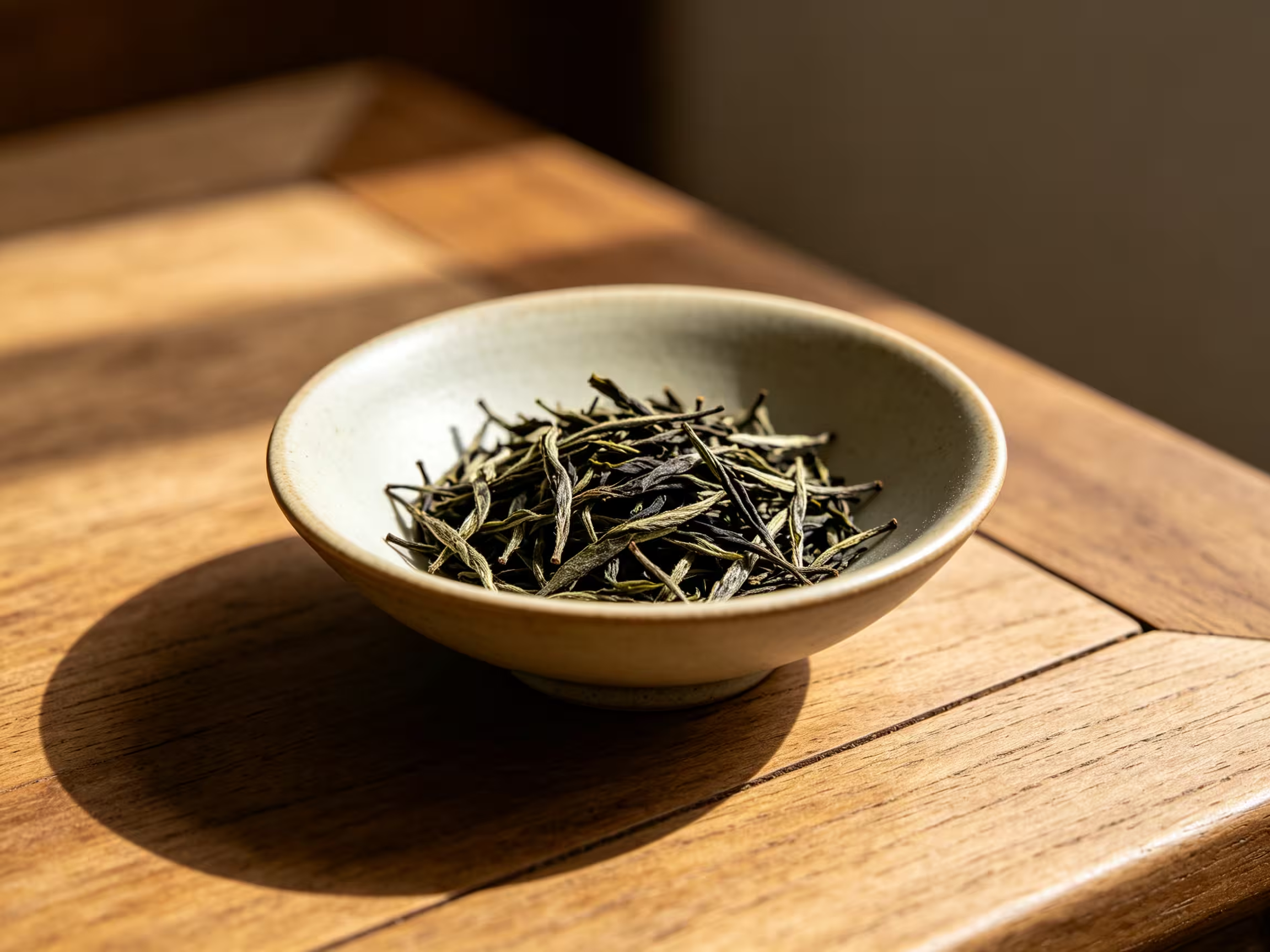

Cold Brew Loose Leaf Tea: Smooth Summer Guide
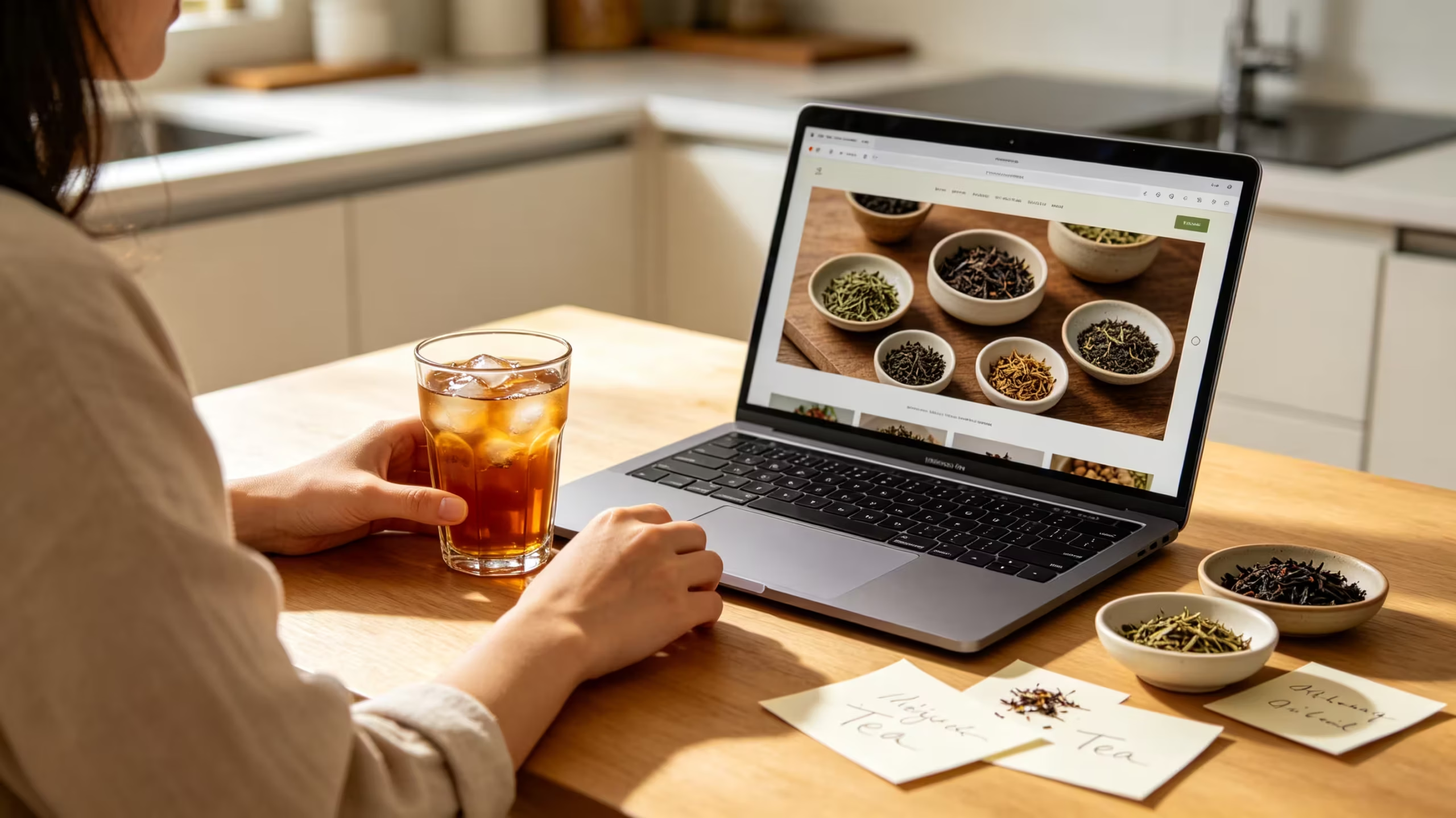
Cold Brew Loose Leaf Tea: A Smoother Way to Make Iced Tea
Cold brew loose leaf tea is one of the easiest ways to make a refreshing summer drink without relying on bottled iced tea, heavy sugar, or complicated equipment. Instead of pouring hot water over tea leaves and cooling the tea afterward, cold brewing lets the leaves steep slowly in cool water. The result is usually smoother, lighter, and less bitter than a rushed hot brew poured over ice.
If you already enjoy loose leaf tea, cold brewing gives you a new way to experience the same leaves. If you are new to tea, it is also a forgiving method because it does not require perfect water temperature or fast timing. You only need good tea, clean water, a jar or pitcher, and enough time for the flavor to develop.
What Is Cold Brew Loose Leaf Tea?
Cold brew loose leaf tea is tea made by steeping loose tea leaves in cold or room-temperature water for several hours. The method is simple, but the flavor can feel surprisingly refined. Because the tea extracts slowly, the cup often tastes cleaner and softer than hot tea that has been oversteeped or chilled too quickly.
Cold brew is not limited to one tea type. Green tea, black tea, oolong tea, white tea, fruit tea, flower tea, and many herbal infusions can all work well cold. The best choice depends on the flavor you want: crisp, floral, fruity, roasted, mellow, or naturally sweet.
This method is especially useful for people who want a daily drink that feels refreshing but not sugary. It can also be a good option for anyone who finds some hot-brewed teas too sharp, too grassy, or too tannic.
Cold Brew Tea vs Iced Tea: What Is the Difference?
The main difference between cold brew tea and regular iced tea is how the flavor is extracted. Iced tea is often brewed hot first, then cooled down with ice or refrigeration. Cold brew tea starts in cool water and steeps slowly from the beginning.
Hot brewing is faster and can create a stronger cup, but it may also bring out more bitterness if the tea is steeped too long or brewed with water that is too hot. Cold brewing is slower, but it is more forgiving. It tends to highlight aroma, sweetness, and a softer finish.
Neither method is automatically better. Hot-brewed iced tea is useful when you need tea quickly. Cold brew tea is better when you want a smoother drink that can sit in the refrigerator and be poured throughout the day.
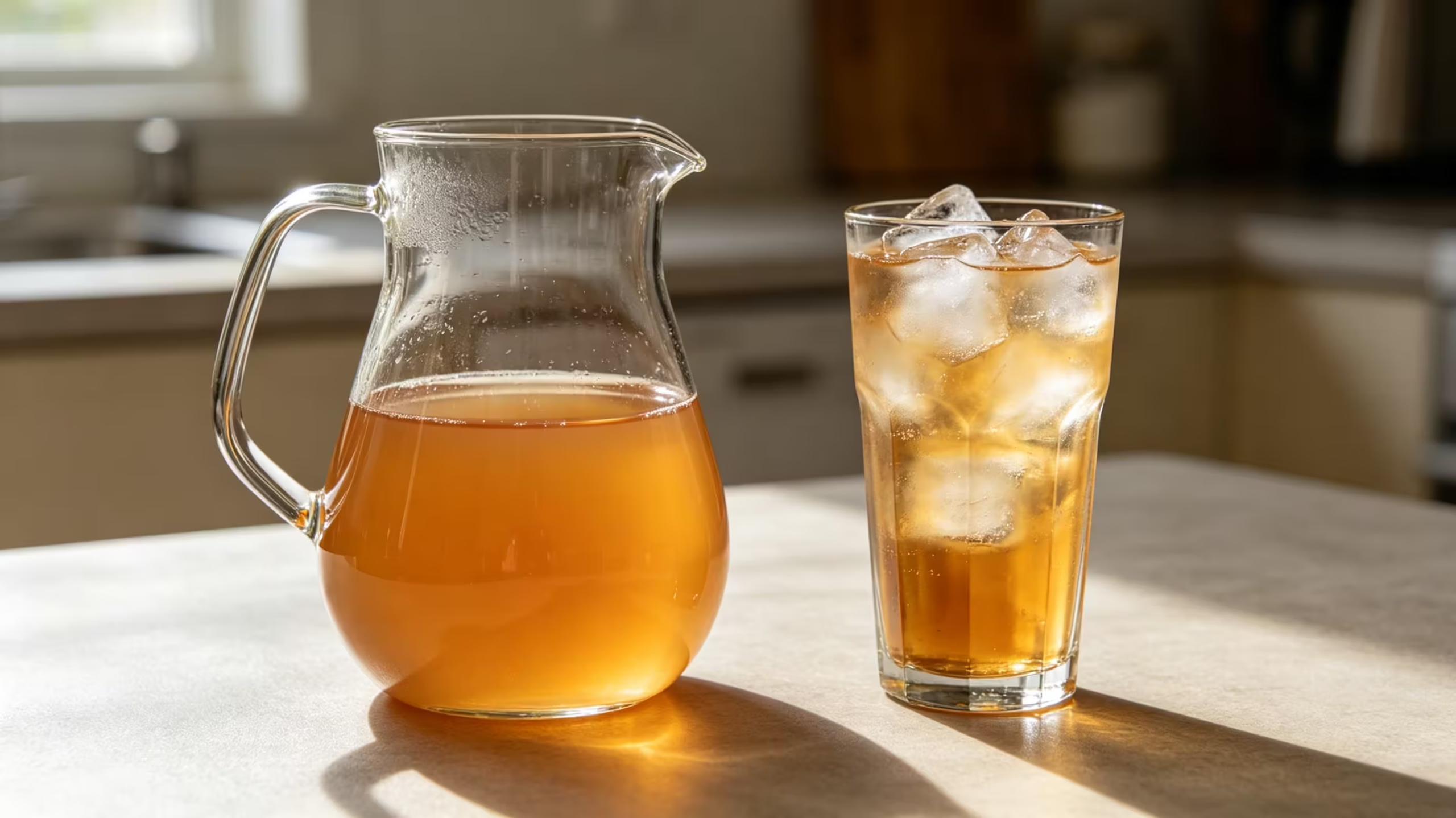
The Best Tea for Cold Brew
The best tea for cold brew depends on your taste, but teas with clear aroma and clean leaves usually perform well. You do not need the most expensive tea. You need a tea that still tastes pleasant after several hours in water.
Green Tea
Cold brew green tea can taste fresh, grassy, lightly sweet, and less sharp than hot green tea. It is a good choice for people who like a clean summer drink but dislike bitterness. Use a lighter steep at first, then increase the tea amount if you want more body.
Black Tea
Cold brew black tea is a good option if you want something fuller and more familiar. It can taste smooth, malty, fruity, or gently brisk. It also works well with lemon, mint, peach, or a small amount of honey if you prefer a lightly flavored iced tea.
Oolong Tea
Cold brew oolong tea can be floral, creamy, roasted, or mineral depending on the style. Oolong is often excellent for cold brewing because it has enough structure to remain interesting after a long steep. It is a strong choice for people who want more aroma without a heavy taste.
White Tea
Cold brew white tea is soft, delicate, and naturally gentle. It may show notes of honey, melon, flowers, or dried fruit. This is a good choice for slow sipping, especially when you want a light drink in the afternoon.
Fruit, Flower, and Herbal Infusions
Fruit tea, flower tea, and herbal infusions can make colorful, caffeine-free, or low-caffeine cold drinks. Hibiscus, citrus peel, berries, mint, rose, chrysanthemum, and other botanicals can add aroma and brightness. Always check ingredients if you are avoiding caffeine or specific herbs.

How to Make Cold Brew Loose Leaf Tea
A simple cold brew tea ratio is one to two teaspoons of loose leaf tea for every cup of water. Use less tea for delicate leaves and more tea for fruit blends, herbal infusions, or a stronger iced drink.
- Place loose leaf tea in a clean glass jar, bottle, or pitcher.
- Add cold or room-temperature filtered water.
- Cover the container and place it in the refrigerator.
- Steep for 4 to 12 hours, depending on the tea type and your taste.
- Strain out the leaves before drinking.
- Serve plain, over ice, or with fruit, mint, lemon, or a small amount of sweetener.
If you are not sure where to start, use one tablespoon of loose tea for about four cups of water and steep overnight. Taste it in the morning. If it feels too light, use more tea next time. If it feels too strong, dilute it with cold water or shorten the steeping time.
For a smoother first experience, choose teas with gentle aroma rather than very smoky, very earthy, or heavily flavored leaves. Once you understand the basic method, you can explore stronger or more complex teas.
Cold Brew Tea Steeping Time by Tea Type
Cold brew tea steeping time is flexible because cold water extracts flavor slowly. Still, different teas have different personalities, so it helps to start with a reasonable range.
- Green tea: 4 to 6 hours for a light, fresh cup.
- White tea: 6 to 8 hours for a soft and delicate infusion.
- Oolong tea: 6 to 10 hours for aroma and body.
- Black tea: 8 to 12 hours for a fuller iced tea.
- Fruit tea: 6 to 12 hours depending on fruit size and intensity.
- Herbal infusion: 8 to 12 hours, especially for roots, peels, or dense botanicals.
These are starting points, not strict rules. Taste matters more than the clock. If a tea becomes too strong, strain it earlier next time. If it tastes watery, add more tea leaves or give it more time.
How to Make Cold Brew Tea Taste Better Without Too Much Sugar
Cold brew tea does not need to taste plain. You can add flavor without turning it into a sugary soft drink. The key is to support the tea instead of covering it.
- Add citrus: Lemon, orange, grapefruit, or yuzu-style flavors can brighten green tea, black tea, and fruit tea.
- Use fresh herbs: Mint, basil, or rosemary can add aroma without sweetness.
- Add fruit slices: Peach, berries, apple, or pineapple can make the tea feel more rounded.
- Try a small amount of honey: Add it after steeping, and use just enough to soften the finish.
- Mix tea types carefully: A little floral tea can lift a black tea, while fruit tea can add brightness to a mild green tea.
One useful habit is to taste the tea before adding anything. If the base tea is already smooth, you may need much less sweetener than expected.
Common Cold Brew Tea Mistakes to Avoid
Cold brew tea is simple, but a few mistakes can make it flat, cloudy, or unbalanced. Most are easy to fix.
- Using too little tea: Cold brewing is gentle, so a very small amount of tea can taste weak.
- Leaving leaves in too long: Cold brew is forgiving, but some teas can still become dull or overly strong after too much time.
- Using poor storage: Tea absorbs odors easily. Keep dry leaves away from spices, coffee, and moisture.
- Adding sweetener too early: Sweeten after steeping so you can judge the real flavor first.
- Using a container with old smells: A jar that held sauce or coffee can affect the tea.
- Expecting every tea to work the same way: Green tea, black tea, oolong, and herbal infusions extract at different speeds.
How to Choose Loose Leaf Tea for Cold Brew Online
When buying tea for cold brew, look for clear flavor descriptions, ingredient lists, and tea categories. A good cold brew tea should sound pleasant even before you brew it. Words like floral, fruity, mellow, honeyed, crisp, citrusy, or refreshing can help you match the tea to the drink you want.
If you are building a summer tea shelf, start with three types: one green or white tea for light refreshment, one black or oolong tea for fuller flavor, and one fruit or herbal infusion for a caffeine-free option. This gives you variety without buying more tea than you can finish.
You can also browse a focused loose leaf tea collection to compare tea types, flavors, and everyday drinking options. Choose based on how you plan to drink the tea: plain, over ice, with fruit, after meals, during work, or as an evening alternative to sweet drinks.
FAQ
Can you cold brew loose leaf tea?
Yes. Loose leaf tea works very well for cold brewing because the leaves have room to release flavor slowly. Use a jar or pitcher, add cold water, steep in the refrigerator, and strain before drinking.
How long should cold brew tea steep?
Most cold brew tea should steep for 4 to 12 hours. Green tea may need only 4 to 6 hours, while black tea, fruit tea, and herbal infusions often need more time.
Is cold brew tea less bitter than hot tea?
Cold brew tea often tastes less bitter because cool water extracts flavor more slowly. It can still become too strong if you use too many leaves or steep for too long.
What is the best tea for cold brew?
Green tea, white tea, oolong tea, black tea, fruit tea, and herbal infusions can all work well. The best choice depends on whether you want a light, floral, bold, fruity, or caffeine-free drink.
Can cold brew tea be made without sugar?
Yes. Many cold brew teas taste naturally smooth without sugar. If you want more flavor, try citrus slices, mint, berries, peach, or a small amount of honey after steeping.
Conclusion
Cold brew loose leaf tea is simple, flexible, and well suited to warm weather. It gives tea leaves time to release flavor gently, which often creates a smoother drink than traditional iced tea. Once you understand the basic ratio, steeping time, and tea types, you can make a refreshing pitcher with very little effort.
Start with a tea you already enjoy, brew a small batch overnight, and adjust the strength the next day. Over time, you will learn which leaves taste best plain, which ones work with fruit, and which ones deserve a permanent place in your refrigerator. A better summer drink does not have to be complicated; sometimes it starts with good tea, clean water, and a little patience.