

Fruit Tea: A Natural Guide for Summer Drinks

Fruit tea is an easy way to enjoy a flavorful drink without making every cup feel heavy, sugary, or complicated. It can be bright over ice, comforting when served warm, and flexible enough for afternoons, evenings, guests, or a simple break between meals. For people who want a more natural alternative to soda, bottled iced tea, or overly sweet juice drinks, fruit tea can be a useful place to start.
The only confusing part is that “fruit tea” can mean several different things. Some fruit teas are caffeine-free infusions made from dried fruit, flowers, herbs, peels, and spices. Others are traditional black tea, green tea, or oolong tea flavored with fruit. Both can be enjoyable, but they do not drink the same way. This guide explains how to tell the difference, how to choose fruit tea by flavor and use, and how to brew it for a better cup.
What Is Fruit Tea?
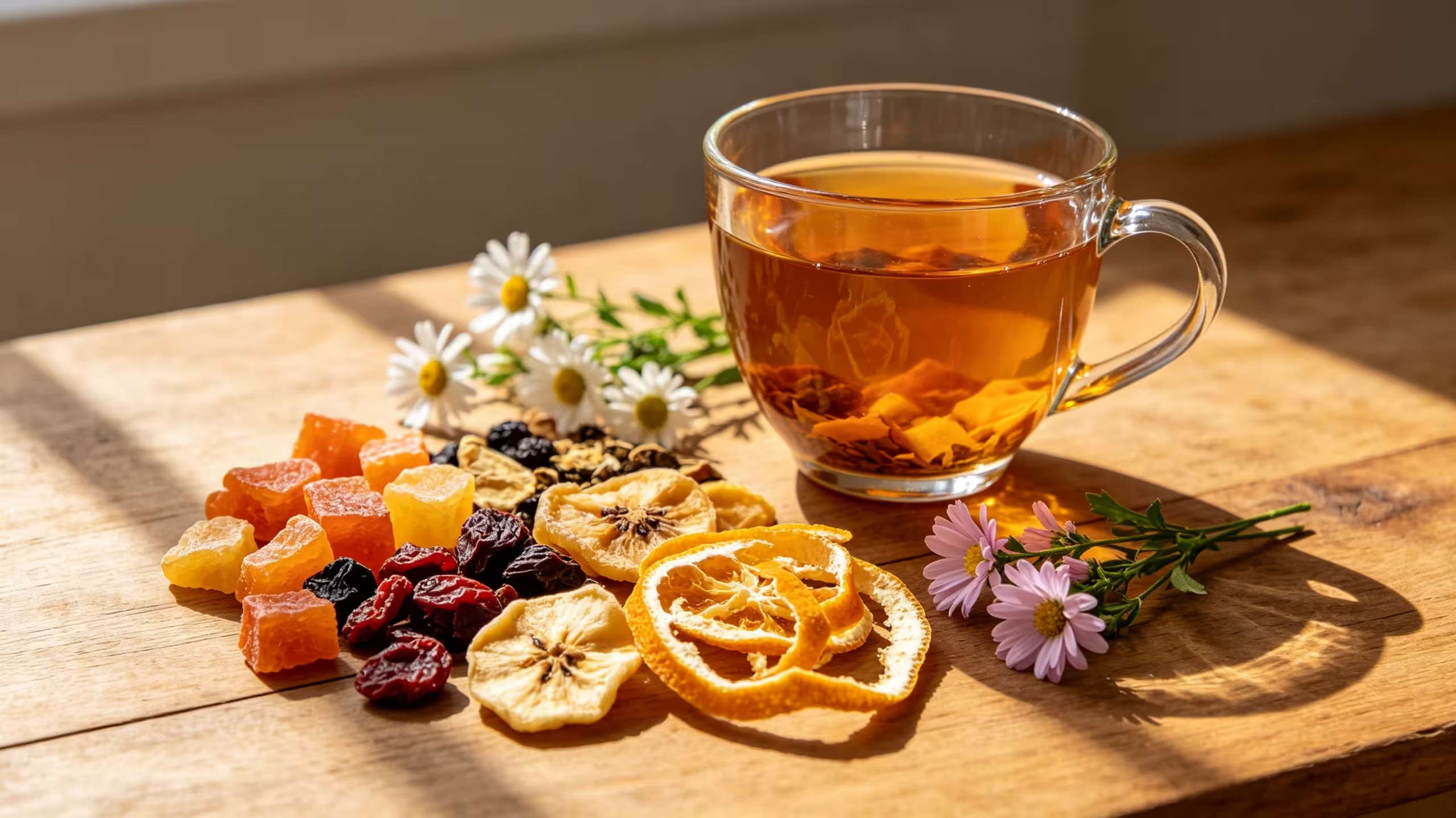
Fruit tea is a tea or infusion that uses fruit flavor as a main part of the drinking experience. It may be made with dried fruit pieces, citrus peel, berries, hibiscus, flowers, herbs, spices, or a base of true tea leaves such as black tea or green tea.
A caffeine-free fruit tea usually does not contain Camellia sinensis, the plant used for green tea, black tea, white tea, oolong tea, and pu’er tea. Instead, it works more like a fruit and herbal infusion. A flavored fruit tea may contain true tea leaves and therefore may contain caffeine.
This distinction matters when you are choosing tea for evenings, children, caffeine sensitivity, iced drinks, or low-sugar routines. The product name can give you a clue, but the ingredient list gives you the real answer.
Fruit Tea vs Herbal Tea: What Is the Difference?
Fruit tea and herbal tea often overlap. A fruit tea can be an herbal infusion if it is made from fruit, flowers, herbs, and botanicals without true tea leaves. Herbal tea is the broader category, while fruit tea usually focuses more clearly on fruit flavor, color, and aroma.
For example, a blend with apple pieces, hibiscus, rosehip, orange peel, and berries may be both a fruit tea and an herbal infusion. A peppermint tea is usually herbal, but not fruit tea. A peach black tea is fruit-flavored tea, but it is not caffeine-free if it contains black tea.
The easiest way to think about it is this: herbal tea describes the ingredient family, while fruit tea describes the flavor direction. When shopping, look at both the category and the ingredients so you know what kind of drink you are making.
Is Fruit Tea Caffeine-Free?
Fruit tea can be caffeine-free, but it is not always caffeine-free. If the blend is made only from dried fruit, herbs, flowers, peels, and spices, it is usually caffeine-free. If it includes black tea, green tea, white tea, oolong tea, pu’er tea, yerba mate, or guayusa, it may contain caffeine.
This is why a tea called “berry tea” or “peach tea” is not enough information by itself. It could be a caffeine-free fruit infusion, or it could be a caffeinated black tea with berry or peach flavor. Both can taste good, but they fit different moments.
If you want fruit tea for nighttime, choose a caffeine-free fruit infusion. If you want a morning or afternoon cup with more structure, a fruit-flavored black tea or green tea may be a better match. The best choice depends on when you drink it and how you want the tea to feel.
How to Choose Fruit Tea by Flavor
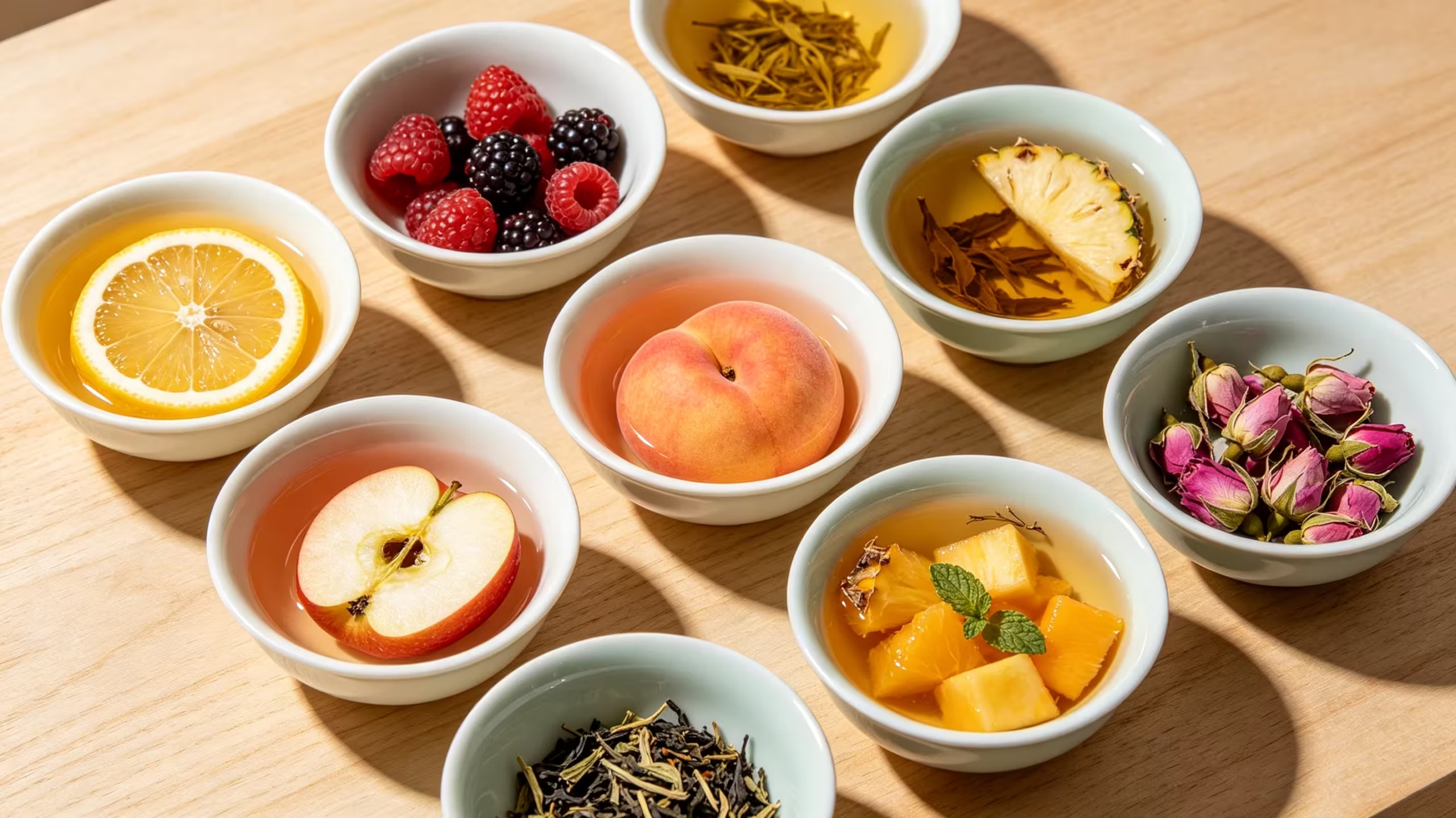
Choosing fruit tea becomes easier when you think in flavor families instead of trying to guess from a pretty name. A clear flavor direction helps you decide whether the tea belongs in a summer pitcher, an evening mug, or a guest-friendly tea tray.
Citrus Fruit Tea
Citrus fruit tea usually tastes fresh, bright, and refreshing. Orange peel, lemon peel, grapefruit-style notes, and yuzu-like flavors can make a tea feel clean without needing much sweetener. Citrus blends are especially useful for iced tea.
Berry Fruit Tea
Berry fruit tea can taste tart, juicy, colorful, or slightly jammy. Hibiscus, rosehip, strawberry, raspberry, blueberry, and blackcurrant-style flavors often appear in this family. Berry teas are good for people who want strong color and a lively taste.
Apple and Orchard Fruit Tea
Apple, pear, peach, apricot, and similar orchard fruit flavors tend to feel softer and rounder. They are useful when you want fruit flavor without too much tartness. Some orchard-style fruit teas also work well warm in cooler weather.
Tropical Fruit Tea
Tropical fruit tea may include pineapple, mango, passion fruit, coconut, or similar flavors. These blends often feel playful and aromatic. They work well iced, but they can taste too sweet if the blend relies heavily on artificial flavoring, so ingredient clarity matters.
Floral Fruit Tea
Floral fruit tea combines fruit with flowers such as rose, jasmine-style notes, chrysanthemum, or other botanicals. It can feel elegant, fragrant, and softer than pure fruit blends. This style is helpful when you want aroma more than sweetness.
How to Brew Fruit Tea Hot
Fruit tea is usually easy to brew, but it often needs more time than traditional green or black tea. Dried fruit pieces, citrus peel, flowers, and dense botanicals release flavor slowly, so a short steep may taste weak.
- Use a clean mug, teapot, or infuser with enough space for the ingredients.
- Start with one to two teaspoons of loose fruit tea per cup.
- Use freshly heated water unless the product gives different instructions.
- Steep for 5 to 10 minutes, depending on fruit size and desired strength.
- Strain before drinking so the flavor does not become too heavy.
- Taste plain before adding honey, sugar, lemon, or milk.
If the cup tastes thin, use more tea rather than only extending the steep forever. If the flavor becomes too tart, shorten the time or add a small amount of honey. Fruit tea should feel balanced, not sharp enough to make you cover it with sugar.
How to Make Iced Fruit Tea
The easiest way to make iced fruit tea is to brew it stronger than usual, strain it, and pour it over ice. Melting ice will dilute the drink, so a stronger base helps the flavor stay clear.
For a quick iced fruit tea, use about twice your normal tea amount, steep with hot water, strain, and pour over a full glass of ice. Add fresh fruit, mint, lemon, or a small amount of sweetener after tasting.
For a slower cold method, place loose fruit tea in a pitcher with cold water and refrigerate it for several hours. Fruit and herbal blends often need more time than delicate floral teas. Taste before serving and remove the ingredients once the flavor is strong enough.
Iced fruit tea is also useful for serving guests because it looks colorful without needing to be complicated. A clear pitcher with fruit slices and mint can feel special while still being easy to prepare ahead of time.
Fruit Tea vs Juice and Bottled Iced Tea
Fruit tea is not the same as juice. Juice comes from pressed or extracted fruit and usually tastes sweet and concentrated. Fruit tea gets its flavor from steeping fruit pieces, peels, herbs, flowers, or tea leaves in water. It is usually lighter and easier to adjust.
Compared with many bottled iced teas, homemade fruit tea gives you more control. You decide how strong it is, whether to add sweetener, and what extra fruit or herbs to include. That makes it useful for people who want a flavorful drink without automatically reaching for a high-sugar option.
This does not mean fruit tea has to be plain. Citrus, berries, mint, peach, apple, hibiscus, rosehip, and floral notes can create plenty of flavor. The goal is not to imitate soda or juice. The goal is to make a lighter drink that still feels satisfying.
What to Check Before Buying Fruit Tea Online
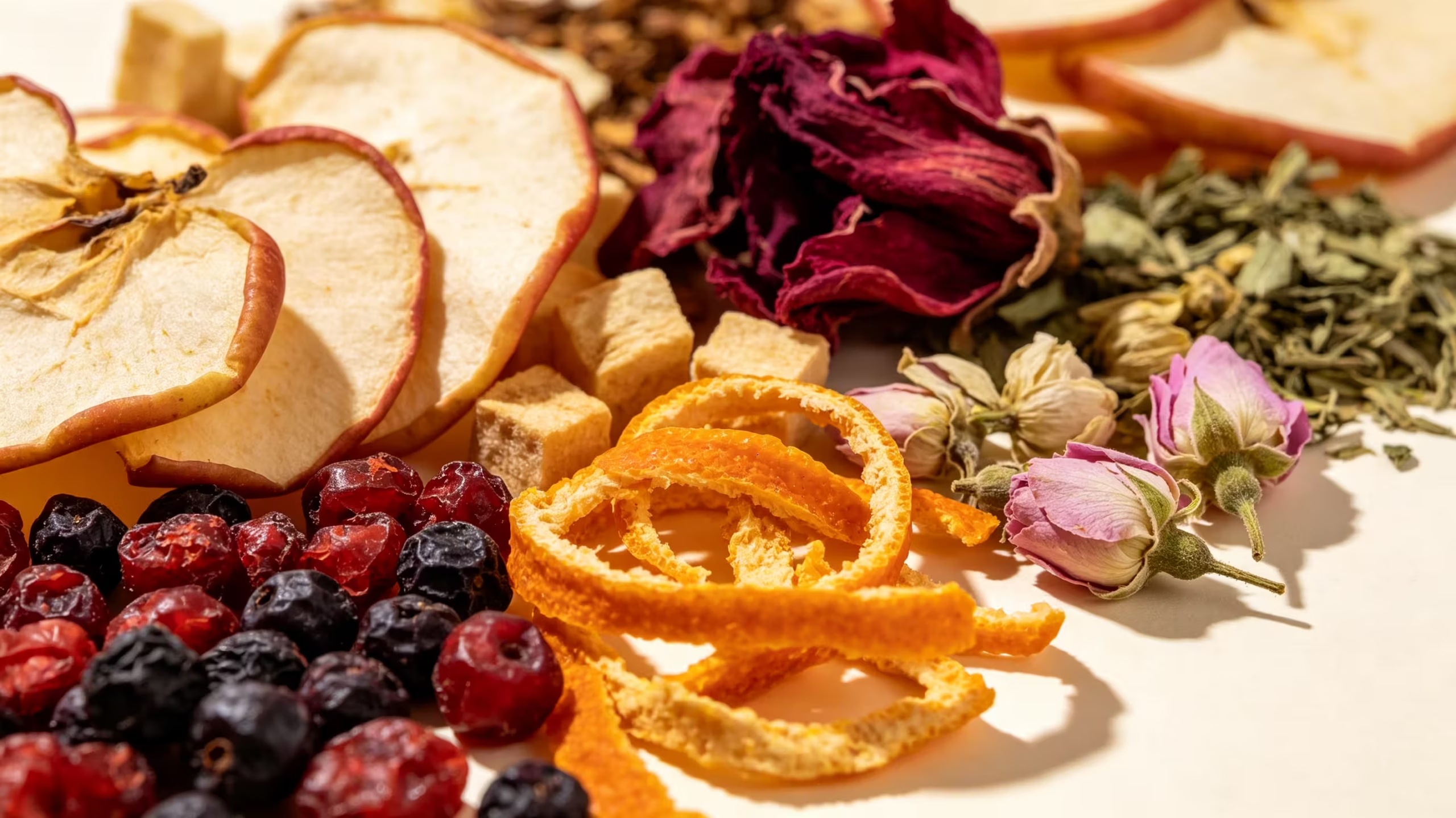
When buying fruit tea online, look beyond the product name. A good fruit tea page should help you understand flavor, ingredients, caffeine level, brewing method, and suggested use.
- Ingredient list: Check whether the blend contains true tea leaves or only fruit, herbs, flowers, and botanicals.
- Caffeine expectation: Choose caffeine-free fruit infusions for evenings and fruit-flavored true teas for a more classic tea base.
- Flavor description: Look for clear words such as citrusy, berry-like, tart, sweet, floral, tropical, mellow, or refreshing.
- Brewing guidance: Fruit pieces and botanicals may need a longer steep than regular tea leaves.
- Use case: Decide whether you want hot tea, iced tea, a low-sugar drink, a guest drink, or an evening cup.
- Package size: Start with a manageable amount when trying a new fruit style.
If you want to compare different fruit-forward options, browsing a focused fruit tea collection can help you narrow your choice by flavor, ingredients, and drinking occasion. Choose the blend that fits your routine, not just the one with the brightest name.
Common Fruit Tea Mistakes to Avoid
Most fruit tea problems come from misunderstanding the blend. The tea may not be poor quality; it may simply be brewed too weak, chosen for the wrong time, or expected to taste like juice.
- Assuming all fruit tea is caffeine-free: Check whether the blend contains black tea, green tea, or other caffeinated ingredients.
- Using too little tea: Fruit pieces are bulky, so one small spoon may not create enough flavor.
- Steeping too briefly: Dried fruit and botanicals often need more time than true tea leaves.
- Adding sugar before tasting: Some blends already taste naturally sweet or bright.
- Expecting juice-level sweetness: Fruit tea is usually lighter and more aromatic than juice.
- Ignoring storage: Fruit tea should be kept away from heat, moisture, light, and strong odors.
FAQ
Is fruit tea caffeine-free?
Fruit tea is caffeine-free when it is made only from fruit, herbs, flowers, peels, and spices. It may contain caffeine if the blend includes black tea, green tea, oolong, yerba mate, or another caffeinated base.
Is fruit tea the same as herbal tea?
Fruit tea can be a type of herbal infusion, but they are not always the same. Herbal tea is a broader category, while fruit tea focuses on fruit flavor, fruit pieces, or fruit-inspired blends.
Can fruit tea be served cold?
Yes. Fruit tea works very well cold. You can brew it hot and pour it over ice, or steep it slowly in cold water for several hours to make a lighter cold infusion.
How long should fruit tea steep?
Most fruit teas should steep for 5 to 10 minutes when brewed hot. For cold brewing, several hours may be needed because fruit pieces and botanicals release flavor slowly in cold water.
Can fruit tea replace sugary drinks?
Fruit tea can be a lighter alternative to sugary drinks because it offers aroma and flavor without requiring much sweetener. It will not taste exactly like juice or soda, but it can become a satisfying daily drink.
Fruit tea is flexible, approachable, and useful for people who want more flavor in their daily drinks without making every cup sweet or heavy. It can be warm, iced, caffeine-free, tea-based, floral, tart, mellow, or bright depending on the blend you choose.
The best way to start is simple: read the ingredients, choose a flavor family you already enjoy, and brew a small amount before committing to a larger supply. Once you understand the difference between fruit infusion, herbal fruit tea, and fruit-flavored true tea, it becomes much easier to choose a blend that fits your day. A good fruit tea should not feel like a compromise. It should feel like a drink you actually look forward to making.