
Jasmine Green Tea: Aroma, Taste & Brewing Guide
Jasmine green tea is one of the easiest floral teas to enjoy because it combines the clean, fresh character of green tea with the soft fragrance of jasmine flowers. A good cup should feel balanced: aromatic but not perfumey, fresh but not grassy in an unpleasant way, and smooth enough to drink without heavy sweeteners.
For many tea drinkers, jasmine green tea is also a bridge between classic green tea and more expressive floral teas. It has enough fragrance to feel special, but it is still simple enough for daily drinking. The challenge is choosing a tea that tastes natural, brewing it gently, and avoiding the bitterness that can appear when green tea is treated like black tea.
What Is Jasmine Green Tea?
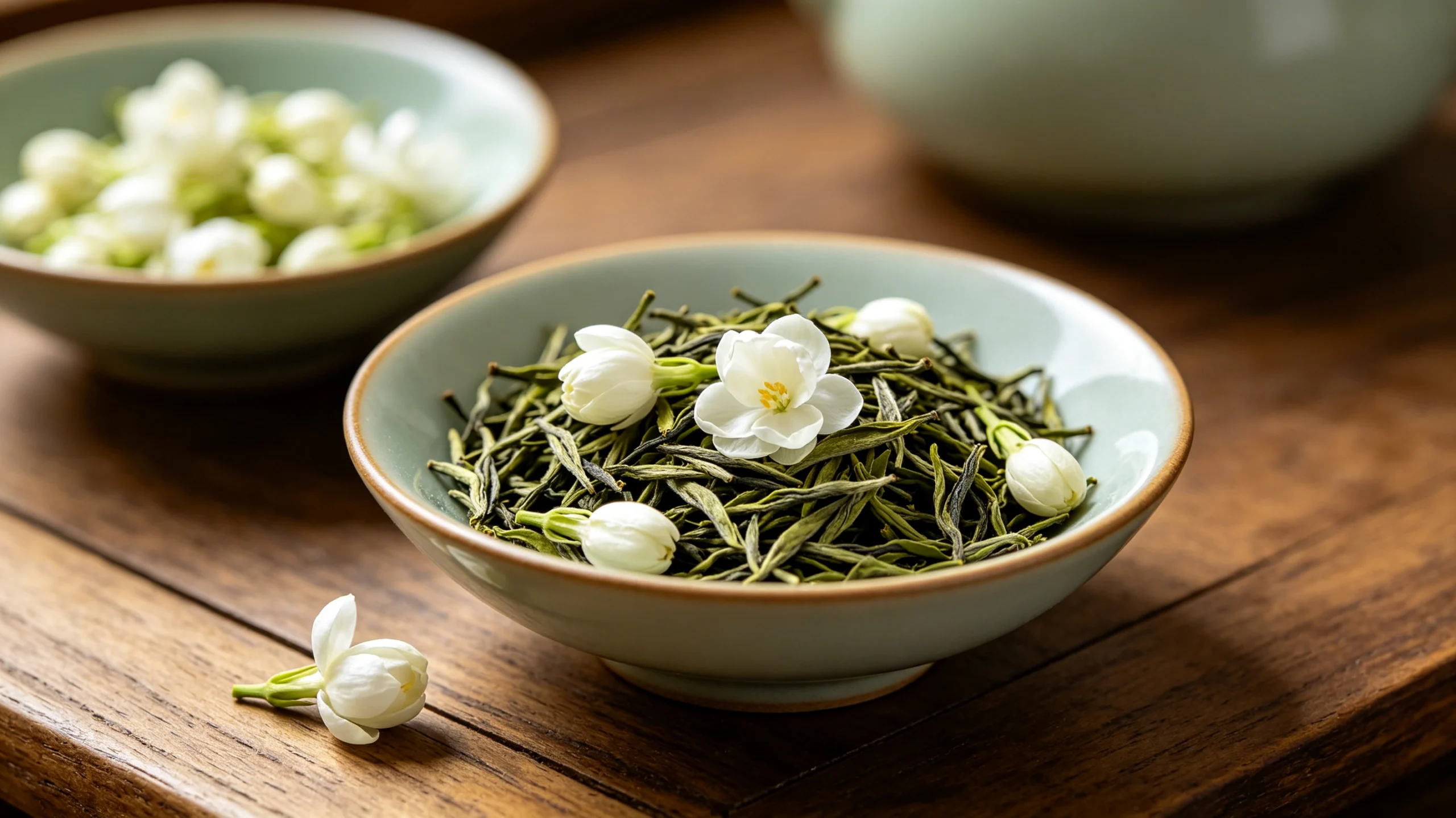
Jasmine green tea is green tea scented or blended with jasmine flowers. In many styles, the tea leaves absorb the floral aroma during processing, creating a cup that carries both green tea freshness and jasmine fragrance.
The base tea matters. If the green tea is flat, stale, or harsh, jasmine aroma alone cannot fully fix it. If the jasmine scent is too strong or artificial-tasting, the tea may feel more like perfume than a drink. Better jasmine green tea should let the leaf and flower work together rather than compete.
Jasmine green tea is not the same as pure jasmine flower infusion. It usually contains real green tea leaves, which means it generally contains caffeine. The amount can vary by leaf type, tea quantity, water temperature, steeping time, and serving size.
Jasmine Green Tea vs Green Tea: What Is the Difference?
The main difference between jasmine green tea and plain green tea is aroma. Plain green tea focuses on the natural flavor of the leaves, which may be grassy, vegetal, nutty, sweet, marine, or lightly floral depending on the style. Jasmine green tea adds a clear floral layer.
That floral layer changes how the tea feels. A green tea that might seem too brisk on its own can become softer when balanced by jasmine. At the same time, the tea still needs the freshness and structure of green tea. If the jasmine covers everything, the cup can feel one-dimensional.
For beginners, jasmine green tea can be easier to approach than some plain green teas because the aroma gives the cup an immediate point of interest. For experienced tea drinkers, the appeal is in the balance between leaf quality, floral scent, sweetness, and finish.
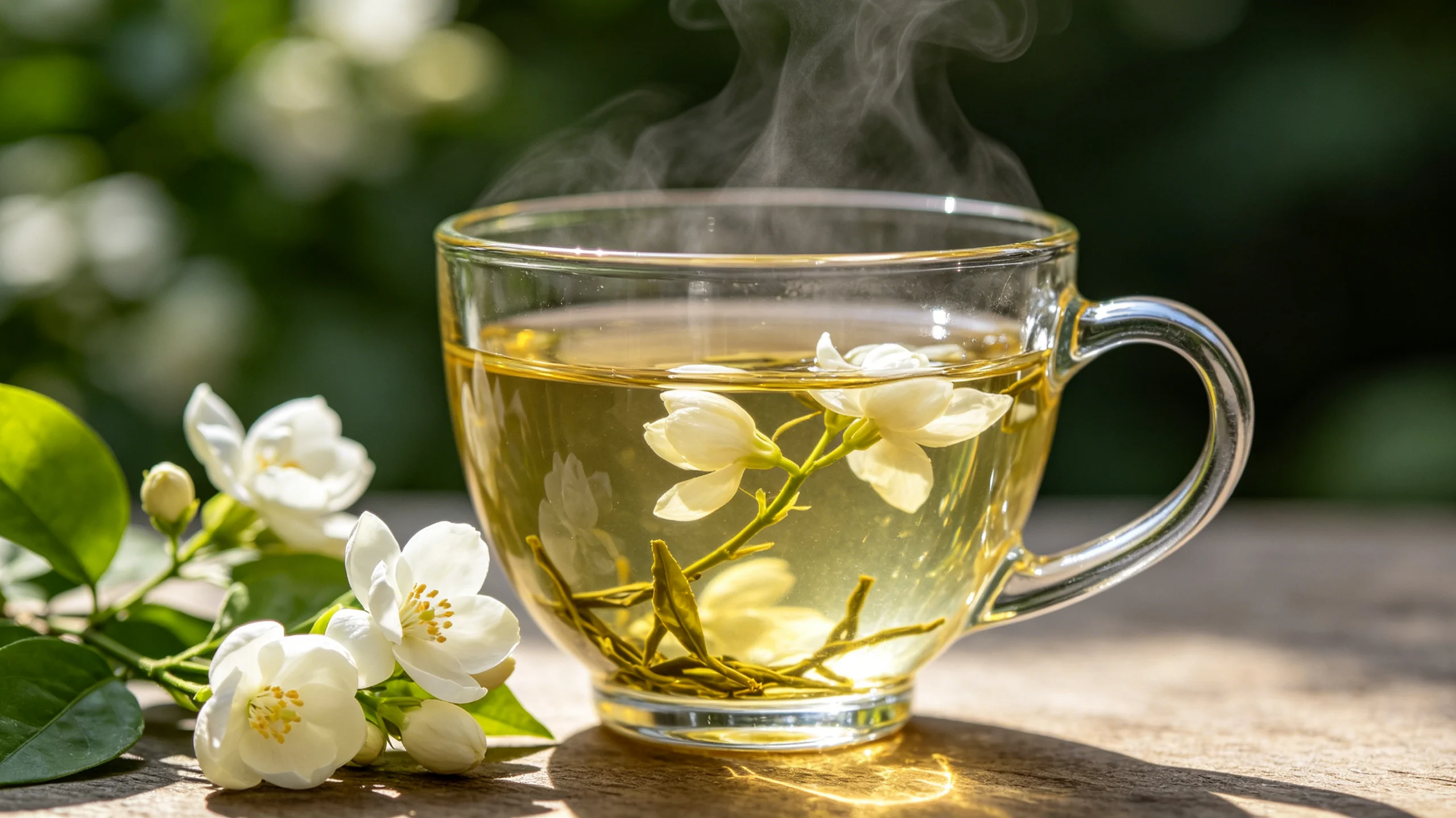
What Does Jasmine Green Tea Taste Like?
Jasmine green tea usually tastes fresh, floral, lightly sweet, and smooth when brewed well. The green tea base may bring a gentle grassy or vegetal note, while jasmine adds fragrance and a soft finish.
A well-balanced cup should not taste sour, dusty, bitter, or heavily perfumed. The aroma should rise from the cup naturally, not overwhelm the palate. After swallowing, a pleasant jasmine note may linger for a short time, especially if the tea uses good leaves and a careful scenting process.
If your jasmine green tea tastes harsh, the problem may not be the tea itself. Water that is too hot, a steep that is too long, too many leaves, or poor storage can make green tea taste bitter. Jasmine aroma is delicate, so gentle brewing helps protect it.
How to Choose Better Jasmine Green Tea
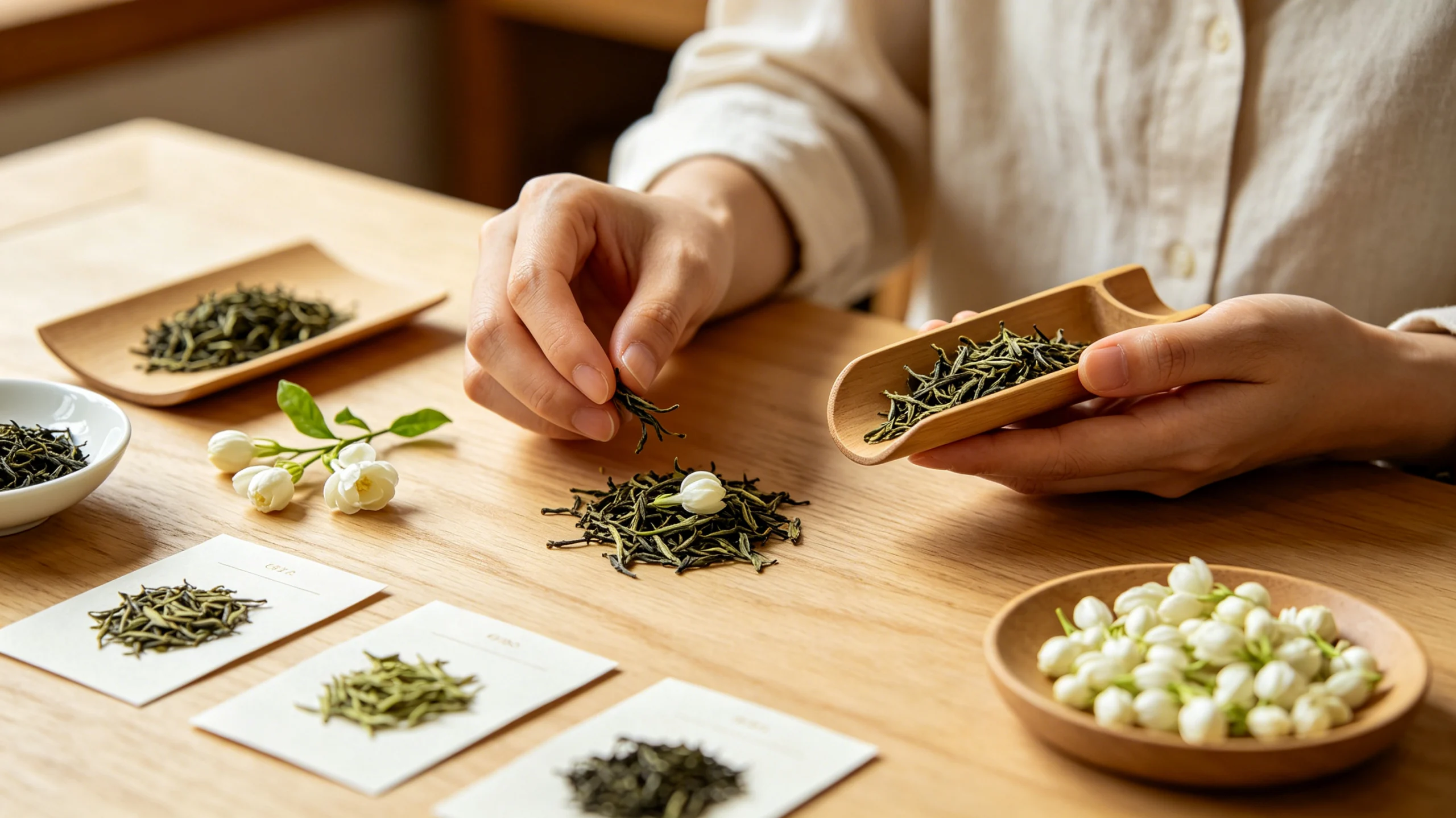
Choosing better jasmine green tea starts with looking for balance, clarity, and freshness. A good product page or tea description should help you understand what kind of cup to expect.
- Aroma: Look for descriptions that suggest a clean floral fragrance rather than a heavy perfume-like scent.
- Tea base: The green tea should still matter. A pleasant jasmine tea needs a fresh, drinkable base.
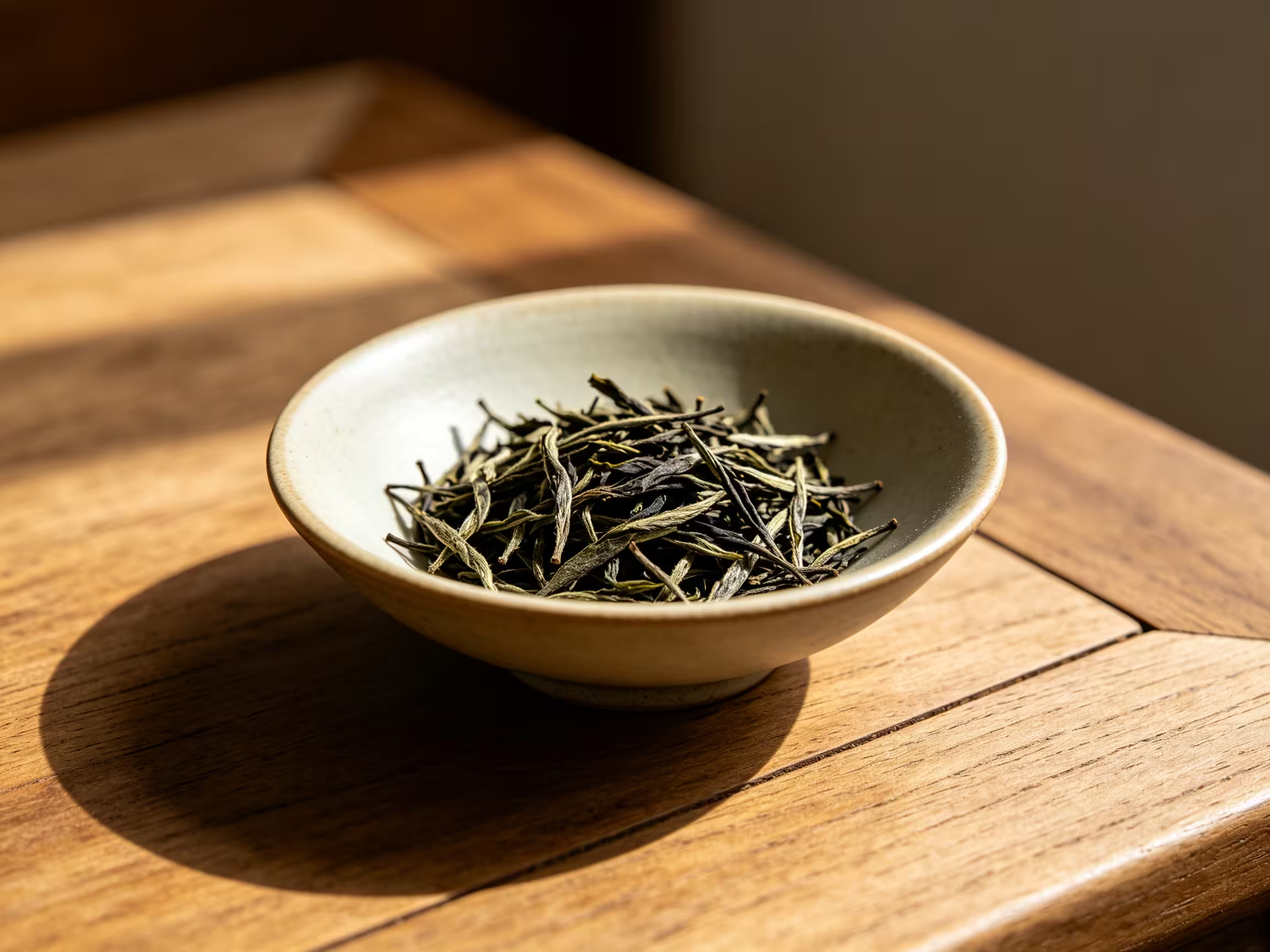
- Leaf appearance: Loose leaves should look reasonably intact for the style, not overly dusty or broken.
- Ingredient clarity: Check whether the flavor comes from jasmine flowers, scenting, added flavoring, or a combination.
- Brewing guidance: Good instructions help you avoid bitterness and protect the floral aroma.
- Use case: Decide whether you want daily hot tea, iced tea, gifting, afternoon sipping, or a tea for multiple infusions.
If you want a product-focused starting point, Teazenway’s organic jasmine green tea offers a useful example of a floral green tea positioned for smooth taste, jasmine aroma, and repeated brewing. The broader lesson is to choose jasmine tea based on the balance between leaf quality and fragrance, not fragrance alone.
How to Brew Jasmine Green Tea Without Bitterness
The best way to brew jasmine green tea is to use cooler water than you would use for black tea and to keep the first steep controlled. Green tea is sensitive to high heat, and jasmine fragrance can fade or turn dull when handled too aggressively.
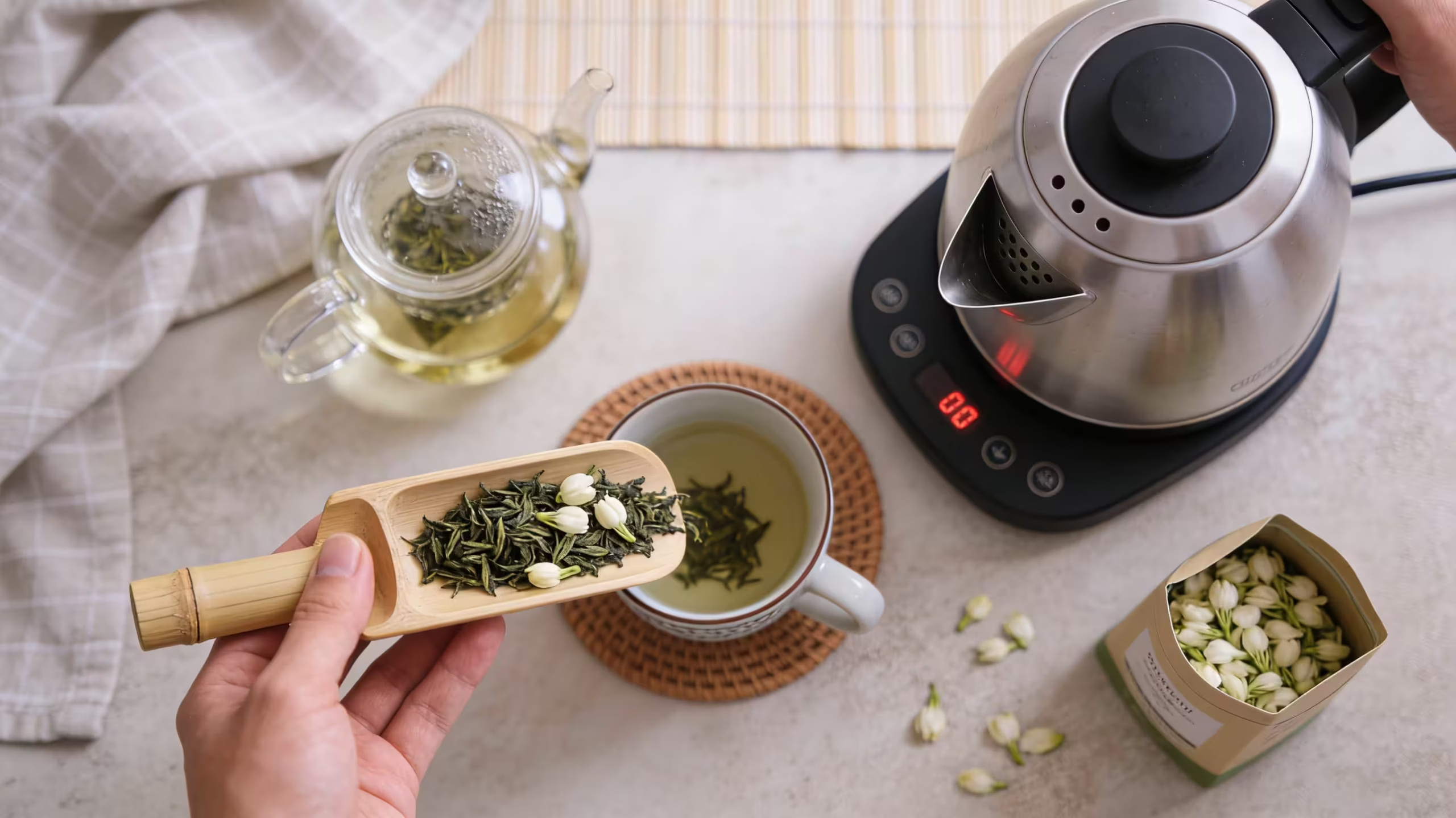
- Use fresh, clean water and a cup, teapot, or infuser with enough room for the leaves.
- Start with about one teaspoon of loose jasmine green tea per cup.
- Use water around 175°F to 185°F, or let boiling water cool briefly before pouring.
- Steep for 1 to 3 minutes for a gentle first cup, then adjust by taste.
- Strain the leaves instead of letting them sit in the cup too long.
- Taste before adding honey, lemon, sugar, or milk.
If the tea tastes bitter, reduce the water temperature, shorten the steeping time, or use fewer leaves. If the tea tastes weak, add a little more tea next time rather than immediately using boiling water. Small adjustments usually improve jasmine green tea more than dramatic changes.
Can Jasmine Green Tea Be Brewed More Than Once?
Many loose leaf jasmine green teas can be brewed more than once. The second infusion may taste smoother, sweeter, or more rounded than the first. The jasmine aroma may shift, becoming softer while the green tea base becomes more noticeable.
To make a second infusion, use the same leaves and add fresh hot water at a similar temperature. Keep the steep short at first, then adjust. If the tea is high quality and the leaves are not exhausted, you may get several pleasant cups from one portion of leaves.
Multiple infusions are one reason loose leaf tea can feel more satisfying than a single-use tea bag. Instead of trying to extract everything at once, you can notice how the tea changes cup by cup.
Is Jasmine Green Tea Good Iced?
Jasmine green tea can be very good iced because the floral aroma feels refreshing when served cold. The key is to avoid making the base tea too bitter before chilling it.
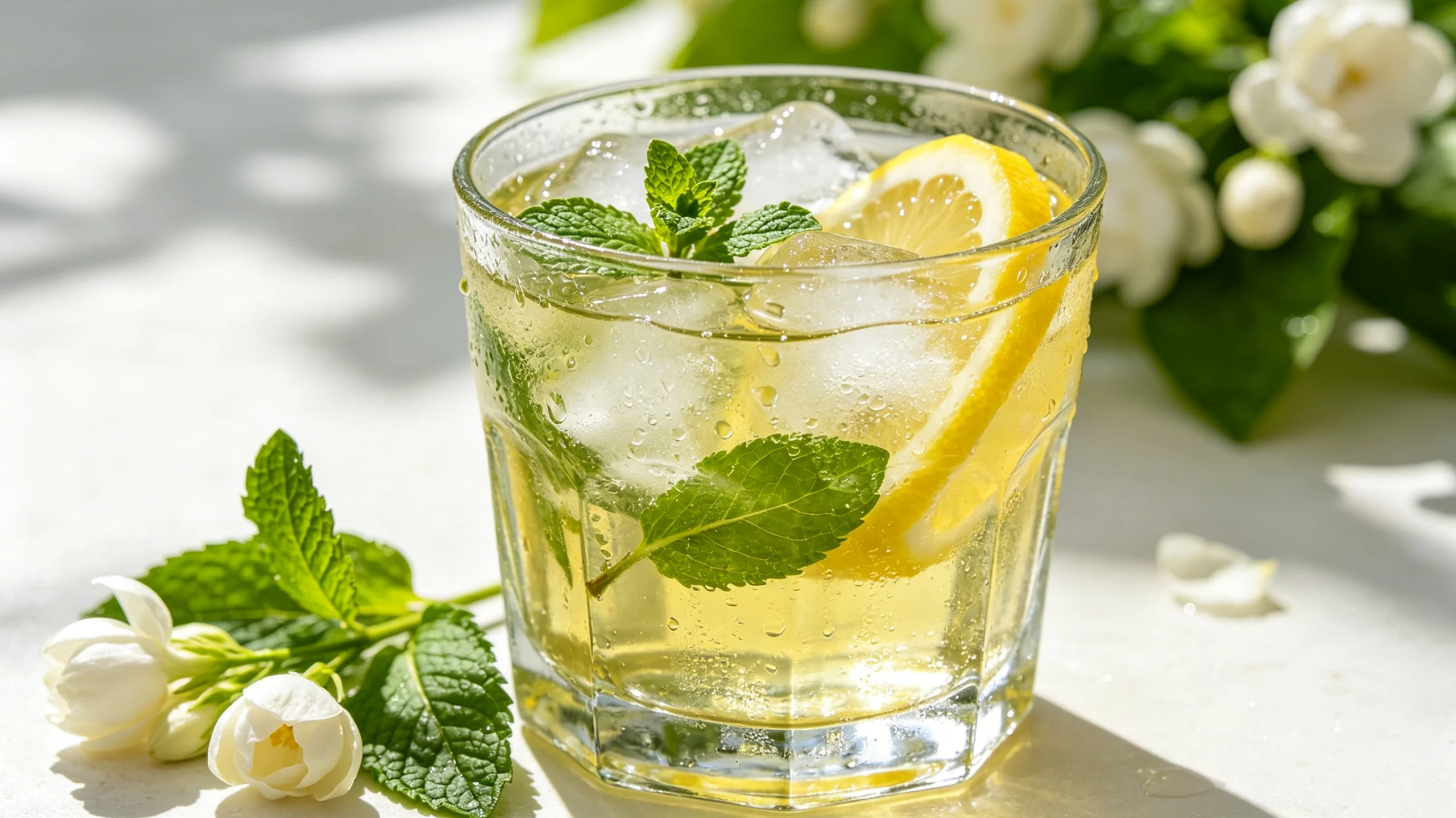
For a quick iced version, brew the tea slightly stronger than usual with warm water, strain it, let it cool, and pour it over ice. Add lemon, mint, peach, or a small amount of honey only after tasting. Jasmine green tea often needs less sweetener than expected because the aroma already adds a sense of softness.
You can also cold brew jasmine green tea. Place the leaves in cold water and refrigerate for several hours. Cold brewing usually creates a smoother cup with less bitterness, though the aroma may be more delicate than in a warm brew.
Common Jasmine Green Tea Mistakes to Avoid
Most jasmine green tea problems come from overbrewing, poor storage, or choosing aroma without considering leaf quality. The mistakes are simple, but they can change the whole cup.
- Using boiling water: Very hot water can make green tea taste bitter and flatten the floral scent.
- Steeping too long: A long steep does not always mean more flavor. It can bring out harshness.
- Using too much tea: More leaves can improve body, but too many can make the cup sharp.
- Buying only by fragrance: A strong smell is not always a sign of better tea.
- Ignoring storage: Jasmine green tea can absorb odors and lose aroma if stored poorly.
- Adding sweetener too soon: Taste the tea plain first so you understand its natural balance.
How to Store Jasmine Green Tea
Jasmine green tea should be stored away from heat, light, moisture, and strong odors. The fragrance is part of the tea’s appeal, and poor storage can make it fade quickly or absorb unwanted smells.
Use an airtight pouch, tin, or glass jar with a tight lid. Keep the container in a cool, dry cabinet rather than near the stove, sink, coffee, spices, or a sunny window. If the package is large, close it tightly after each use and avoid leaving it open while brewing.
Buy an amount you can finish within a reasonable time. Jasmine aroma is delicate, and a smaller fresh supply is often more enjoyable than a large bag that sits too long.
FAQ
Is jasmine green tea caffeinated?
Yes. Jasmine green tea usually contains caffeine because it is made with green tea leaves. The amount depends on the tea, leaf quantity, water temperature, steeping time, and cup size.
How long should jasmine green tea steep?
Jasmine green tea usually works well with a short first steep of about 1 to 3 minutes. If the flavor is too light, increase the time slightly or use more leaves next time.
Why does jasmine green tea taste bitter?
Jasmine green tea often tastes bitter when the water is too hot, the steep is too long, or too many leaves are used. Cooler water and a shorter steep usually help.
Can jasmine green tea be brewed twice?
Yes. Many loose leaf jasmine green teas can be brewed more than once. The second infusion may taste smoother and softer, while the floral aroma becomes more subtle.
Can you drink jasmine green tea cold?
Yes. Jasmine green tea can be served iced or cold brewed. For iced tea, brew it gently, strain it, cool it, and pour it over ice without oversteeping the leaves.
A Better Way to Start With Jasmine Green Tea
Jasmine green tea is at its best when it feels balanced. The green tea should taste fresh, the jasmine should feel natural, and the cup should finish smoothly instead of sharply. When those parts work together, jasmine green tea becomes more than a scented drink. It becomes an easy daily tea with enough fragrance to slow you down for a moment.
Start with a small amount, brew gently, and pay attention to how the aroma changes as the tea cools. If you like floral drinks but still want the clean structure of green tea, jasmine green tea is one of the most approachable places to begin.