
Tea Cup Guide: Choose the Right Cup for Tea
A tea cup may seem like a small detail, but it can change the way tea feels in your hand, smells at the rim, cools in the cup, and appears before you take the first sip. If you already care about loose leaf tea, choosing the right cup is not just about decoration. It is part of making the tea easier to enjoy.
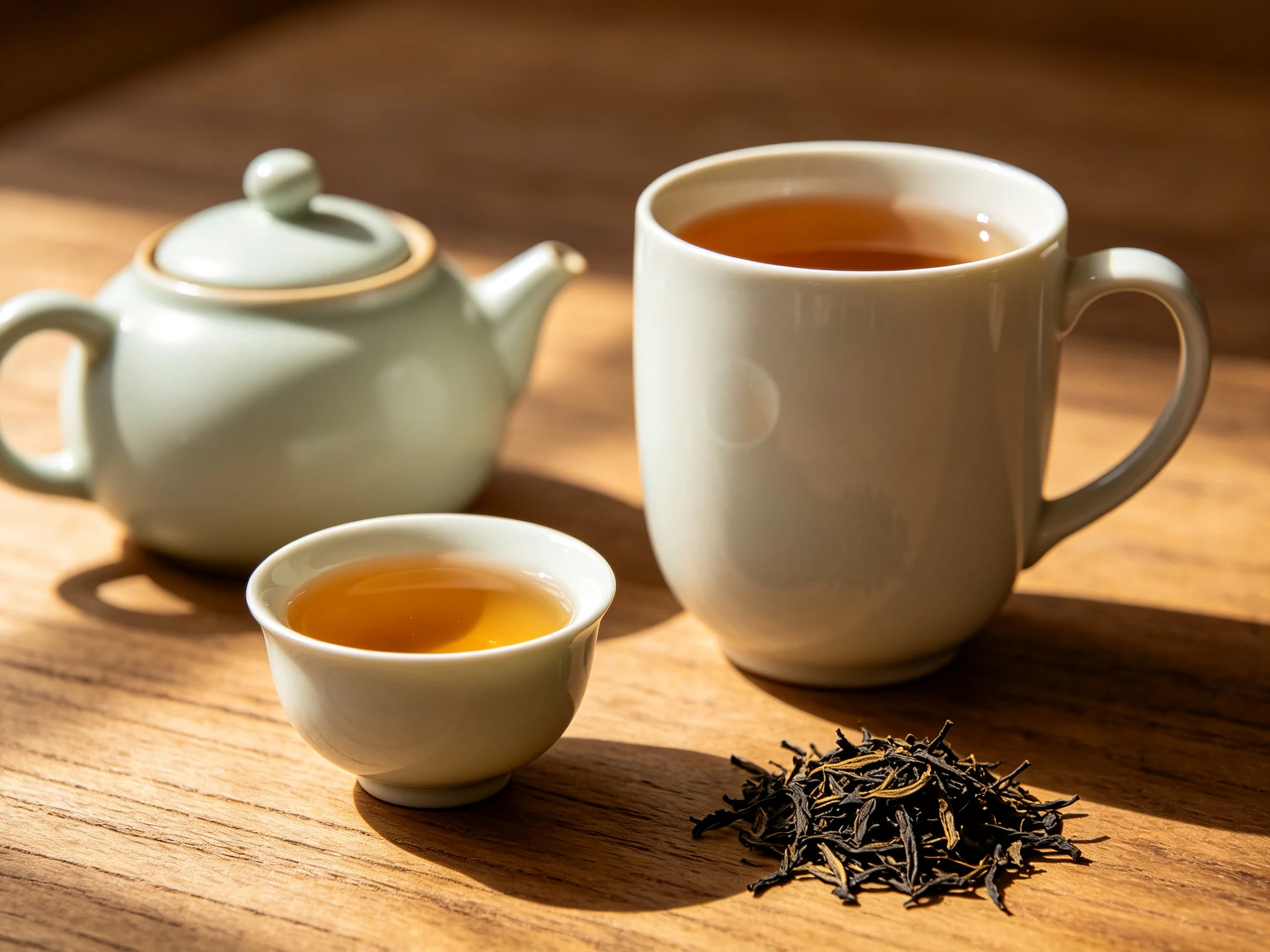
The best tea cup is not always the most expensive or the most traditional. It is the cup that fits the tea you drink, the way you brew, and the kind of moment you want to create. A small cup may be perfect for oolong tasting. A larger cup may suit daily black tea. A clear glass cup may show the color of flower tea beautifully. A ceramic cup may make a morning tea feel warmer and more grounded.
Does a Tea Cup Really Matter?
A tea cup matters because it affects temperature, aroma, visual presentation, hand feel, and drinking pace. Tea is not only flavor. It is also heat, fragrance, color, weight, and rhythm.
A very large mug may make a delicate tea cool slowly but feel less focused. A tiny tasting cup may concentrate aroma but require more frequent pouring. A thin porcelain cup may make a green tea feel clean and elegant. A thicker ceramic cup may make black tea or roasted oolong feel warmer and more comforting.
This does not mean you need a different cup for every tea. It simply means that choosing a better cup can make the same tea feel more enjoyable.
How to Choose a Tea Cup
To choose a tea cup, start with how you actually drink tea. Do you drink alone or with guests? Do you prefer quick daily tea or slow tasting sessions? Do you drink mostly green tea, black tea, oolong, flower tea, fruit tea, or herbal infusions?
Once you know your routine, look at seven practical details: size, shape, material, rim, heat retention, color, and ease of cleaning.
- Size: Controls how much tea you drink at once and how quickly it cools.
- Shape: Affects aroma, comfort, and visual style.
- Material: Changes heat retention, weight, and presentation.
- Rim: A thin rim can feel more refined, while a thicker rim can feel sturdy.
- Color: A light interior makes it easier to see tea liquor clearly.
- Grip: The cup should feel secure when filled with hot tea.
- Cleaning: A beautiful cup is less useful if it stains easily or is hard to wash.
If you are comparing cups, tea sets, and other accessories, browsing a focused tea ware collection can help you think about function and daily use rather than appearance alone.
Tea Cup Size: Small Cup or Large Mug?
The best tea cup size depends on how concentrated the tea is and how slowly you want to drink. Smaller cups encourage slower sipping and repeated pouring. Larger mugs are convenient for daily tea, work breaks, and casual drinking.
Small tea cups are common in gongfu-style tea sessions and tea tasting because they let you drink the tea while it is fresh, hot, and aromatic. They also make it easier to notice changes across multiple infusions.
Larger cups or mugs are useful when you want one comfortable serving without repeated pouring. They work well for black tea, fruit tea, herbal infusions, and everyday loose leaf tea. The trade-off is that aroma may feel less concentrated, and delicate teas may cool or dilute the experience differently.
Tea Cup Shape and Aroma
Tea cup shape matters because aroma rises from the surface of the tea. A cup with a narrower opening may hold fragrance slightly longer, while a wider cup may let the tea cool faster and show more color.
For fragrant teas such as jasmine green tea, floral oolong, flower tea, or lychee black tea, a cup that allows aroma to gather near the rim can make the tea feel more expressive. For hot daily tea, a comfortable shape may matter more than aroma concentration.
The best shape is one that makes you want to pause. If the cup feels awkward, too wide, too narrow, too heavy, or too hot to hold, it will distract from the tea.
Ceramic Tea Cup vs Glass Tea Cup
Ceramic tea cups and glass tea cups serve different purposes. A ceramic cup usually feels warmer, softer, and more traditional. A glass cup makes the color of the tea visible and can feel clean, modern, and light.
Glass is useful for flower tea, fruit tea, green tea, and herbal infusions where color and visual movement are part of the pleasure. Ceramic is useful for black tea, oolong, roasted teas, and everyday drinking when warmth and hand feel matter more.
Neither material is automatically better. Choose glass when you want to see the tea clearly. Choose ceramic when you want a warmer, more tactile tea experience.
Porcelain, Stoneware, and Jian Ware
Porcelain cups often feel refined, smooth, and clean. They are good for teas where clarity, color, and aroma matter. A light interior can help you see the true color of green tea, white tea, or floral infusions.
Stoneware cups tend to feel heavier and warmer in the hand. They can make daily tea feel more grounded and relaxed. They are useful when you want comfort more than delicate visual analysis.
Jian ware cups are valued for their distinctive glaze effects and strong visual character. They can make a tea session feel more ceremonial or gift-worthy. For many tea drinkers, a cup like this is not only a vessel but also part of the experience of slowing down.
Best Tea Cup for Different Tea Types
Different teas can feel better in different cups. You do not need strict rules, but matching cup style to tea style can improve the experience.
Green Tea
Green tea often works well in porcelain, glass, or light-colored cups. These make it easier to see the pale green, yellow, or golden tea liquor. A smaller or medium cup helps you drink before the tea cools too much.
Black Tea
Black tea can work well in ceramic, porcelain, or a larger mug. If you add milk, choose a cup with enough volume and a comfortable handle. If you drink black tea plain, a cup that shows amber color can make the tea more appealing.
Oolong Tea
Oolong tea often benefits from smaller cups, especially if you brew multiple infusions. A smaller cup lets you notice aroma, texture, and changes between steeps.
White Tea
White tea is subtle, so a clean porcelain or glass cup can help preserve its delicate feel. Avoid cups that are too large if you want to focus on aroma and light sweetness.
Flower Tea and Fruit Tea
Glass cups are especially useful for flower tea and fruit tea because color and appearance are part of the experience. A clear cup can show petals, fruit tones, and bright tea liquor beautifully.
Should a Tea Cup Have a Handle?
A tea cup does not always need a handle. Handleless cups can feel elegant and close to the tea, but they may become too hot if the cup is thin or the tea is very hot. Handled cups are practical for larger servings, black tea, milk tea, and casual daily drinking.
If you often drink hot tea while working, a handled cup or mug may be more comfortable. If you enjoy short tea sessions, tasting flights, or gongfu-style brewing, handleless cups can make the experience feel more focused.
Comfort should guide the choice. A cup that looks beautiful but is unpleasant to hold will not become part of your routine.
How Tea Cup Color Changes the Experience
The color inside a tea cup can affect how you see the tea. A white or light-colored interior makes it easier to judge tea color, clarity, and strength. This is helpful for green tea, white tea, oolong, flower tea, and tasting sessions.
Darker cups can create a moodier, more dramatic presentation. They may be beautiful for certain tea rituals, but they can make it harder to see the true color of the tea.
If you want one practical everyday cup, choose a cup with an interior that lets you see the tea clearly. If you want a more decorative or ceremonial cup, visual character may matter more than clarity.
Common Tea Cup Mistakes to Avoid
Most tea cup mistakes come from choosing only by appearance. A cup can look beautiful in photos but feel wrong in daily use.
- Buying a cup that is too large: Delicate tea may feel diluted or lose focus.
- Choosing a cup that is too hot to hold: Thin handleless cups may be uncomfortable with very hot tea.
- Ignoring the rim: A rough or thick rim can change the drinking feel.
- Using dark interiors for tasting: It becomes harder to judge tea color.
- Choosing hard-to-clean designs: Deep grooves, rough surfaces, or narrow shapes may stain more easily.
- Buying only for display: A tea cup should be beautiful, but it should also be usable.
How to Care for Tea Cups
Tea cups should be rinsed soon after use so tea stains do not build up. For everyday cleaning, use warm water, mild soap when needed, and a soft sponge. Avoid harsh abrasives that can scratch glaze, glass, or porcelain.
Do not let strong-smelling drinks sit in a tea cup for a long time. Some materials and finishes can hold odor more than others. If you use a cup for delicate teas, avoid using the same cup for coffee or heavily spiced drinks.
Store cups where they will not easily chip. A cup with a thin rim, special glaze, or handmade finish should be treated with more care than a casual office mug.
FAQ
Does tea cup shape matter?
Yes. Tea cup shape can affect aroma, cooling speed, hand feel, and drinking pace. The difference may be subtle, but it can change how the tea feels.
What size tea cup is best?
A small cup is best for tasting and multiple infusions. A larger cup or mug is better for daily casual tea, black tea, herbal tea, and work breaks.
Is ceramic or glass better for tea?
Ceramic is better when you want warmth and comfort. Glass is better when you want to see tea color, flowers, fruit, or the brewing effect clearly.
Why are some tea cups small?
Small tea cups help tea drinkers enjoy tea while it is fresh and aromatic. They also make it easier to compare multiple infusions.
What cup is best for loose leaf tea?
The best cup for loose leaf tea depends on the tea type. Green tea and flower tea often look good in glass or porcelain. Oolong works well in smaller tasting cups. Black tea can work well in ceramic or larger cups.
Choose a Cup That Makes Tea Easier to Enjoy
A good tea cup should support the tea instead of distracting from it. It should feel comfortable, show the tea in a way you enjoy, and match the pace of your drinking. The right cup can make a simple tea session feel more intentional without making it complicated.
Start with the teas you drink most often. If you love green tea and flower tea, choose a cup that shows color clearly. If you drink black tea every morning, choose something comfortable and warm in the hand. If you enjoy oolong, try smaller cups and notice how the aroma changes between infusions. The best tea cup is the one that makes you want to sit down, pour carefully, and enjoy the next sip.