

What Belongs in a Loose Leaf Tea Set You’ll Actually Use
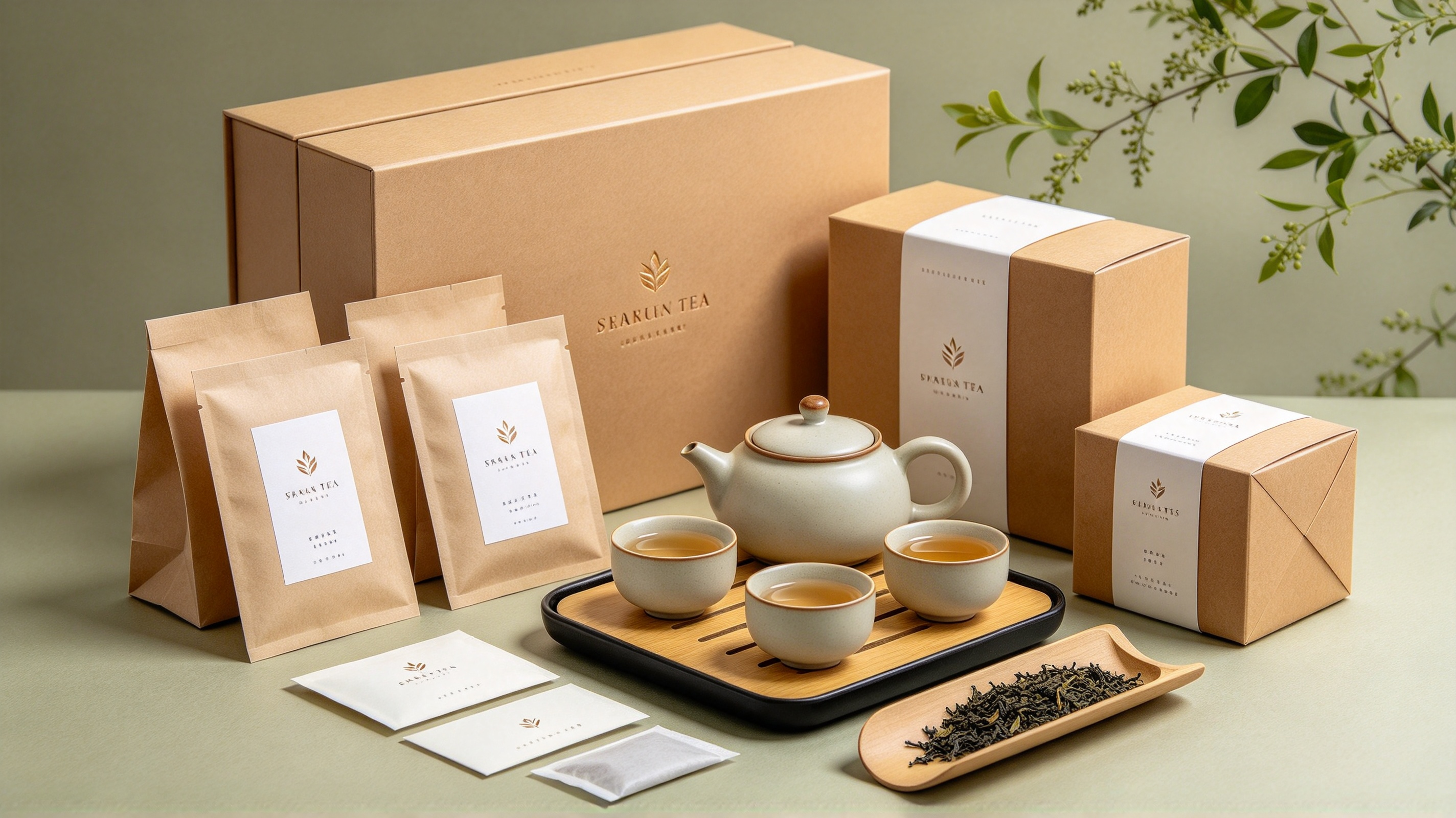
There is no need to make loose leaf tea set complicated. A few practical checks can tell you far more than a long list of marketing adjectives. The sections below focus on what you can see, smell, brew, compare, and adjust at home.
A sensible starting point is to compare one variable at a time. Keep the water, serving size, and basic brewing method consistent, then notice what changes when you alter the leaf, tool, storage method, or product choice.
Loose Leaf Tea Set: the practical starting point
For loose leaf tea set, begin with the purpose of the tea or tool. Are you trying to improve flavor, simplify daily brewing, compare quality, protect freshness, or choose something for another person? That purpose determines which details deserve attention and which can be ignored.
| Element | Useful Standard |
|---|---|
| Tea variety | Choose meaningful contrast rather than near-duplicates. |
| Sample size | Enough for several brews, not just one attempt. |
| Brewing tool | Simple, roomy, and easy to clean. |
| Packaging | Resealable and protective after the gift is opened. |
Packaging still has a job after gifting
Gift packaging should protect the tea from moisture, air, light, and odors after the box is opened. Individually sealed pouches are often more practical than beautiful compartments that expose every tea at once.
Match the set to the person, not the season
Holiday presentation can make a gift feel special, but the contents should fit the drinker. Think about caffeine, flavor preferences, brewing habits, and whether they use a mug, teapot, or office setup.
Useful beats impressive
A tea set or sampler is successful when the recipient can actually use it. A smaller group of well-chosen teas and one practical brewing tool is often better than a large box filled with duplicate accessories or tiny decorative objects.
For a broader comparison, see our tea ware section and use it alongside the specific checks in this guide.
Variety should teach something
A good sampler creates meaningful contrast. Choose teas that differ by oxidation, roast, scenting, or flavor family rather than five products that all taste broadly similar. The recipient should be able to notice why each sample is there.
Portion size affects the experience
A sample should be large enough for more than one attempt. The first brew may be too strong or too weak, so giving enough tea for several sessions lets the drinker adjust and form a fair opinion.
Before you commit to a larger quantity
- Read the product description for concrete information rather than only premium-sounding adjectives.
- Match the tea or tool to the amount you normally brew and the way you actually drink it.
- Use a repeatable brewing ratio before making a quality judgment.
- Keep the tea dry, sealed, and away from strong odors after opening.
- Buy a smaller amount first when the style is unfamiliar, then scale up if you genuinely enjoy it.
You can also compare related options in our loose leaf tea pages before deciding what fits your routine.
Convenience matters because habits decide what gets used
A theoretically perfect method has little value if it takes too long on a normal morning. Favor a setup you can rinse, refill, and repeat without frustration. Daily usability is especially important for infusers, storage containers, office tea, travel sets, and gifts for beginners.
Separate a quality problem from a preference problem
A tea can be well made and still not suit you. Strong roast, tart hibiscus, brisk black tea, grassy green tea, or intense jasmine may be exactly what another drinker wants. Before calling something low quality, ask whether the cup is flawed or simply outside your preferred flavor range.
Use the second cup as a reality check
First impressions are useful, but a second brewing session is often more revealing. Repeat the same recipe once before changing everything. If the result is consistent, you have learned something about the tea or tool. If it changes dramatically, check water temperature, leaf quantity, timing, and storage before drawing a firm conclusion.
Think about what happens after the wrapping is gone
A gift should still be useful in January. Resealable tea pouches, a straightforward brewing tool, and clear brewing instructions usually provide more lasting value than oversized presentation boxes that are difficult to store.
A few practical questions
Is loose leaf tea set always more expensive?
Not necessarily. Price depends on material, processing, origin, packaging, quantity, and seller. Compare what the product actually offers rather than treating a higher price as automatic proof of quality.
How should I compare two options fairly?
Use similar quantities, the same water, and the same basic brewing conditions. For tools or gift sets, compare capacity, usability, cleaning, and what is included rather than relying only on appearance.
Should I buy a large quantity the first time?
Usually not. Start with enough for several sessions. Once you know the flavor or setup suits you, a larger purchase becomes easier to justify.
Choose for the way you actually drink tea
Treat loose leaf tea set as a practical decision rather than a badge of expertise. When the tea, tool, or setup fits your habits, you will use it more often—and that matters more than owning the most elaborate option.
Use value over time, not just the checkout price
The cheapest option can become expensive if it goes stale, is unpleasant to use, or never gets finished. The higher-priced option is not automatically better either. Think about how many enjoyable cups you are likely to get, how well the tea will keep, and whether the equipment will still be convenient after repeated use.
For loose leaf tea set, this kind of repeatable testing is more useful than chasing a single perfect number or buying decision.