

Pu’er Tea Guide: Raw vs Ripe and How to Brew It
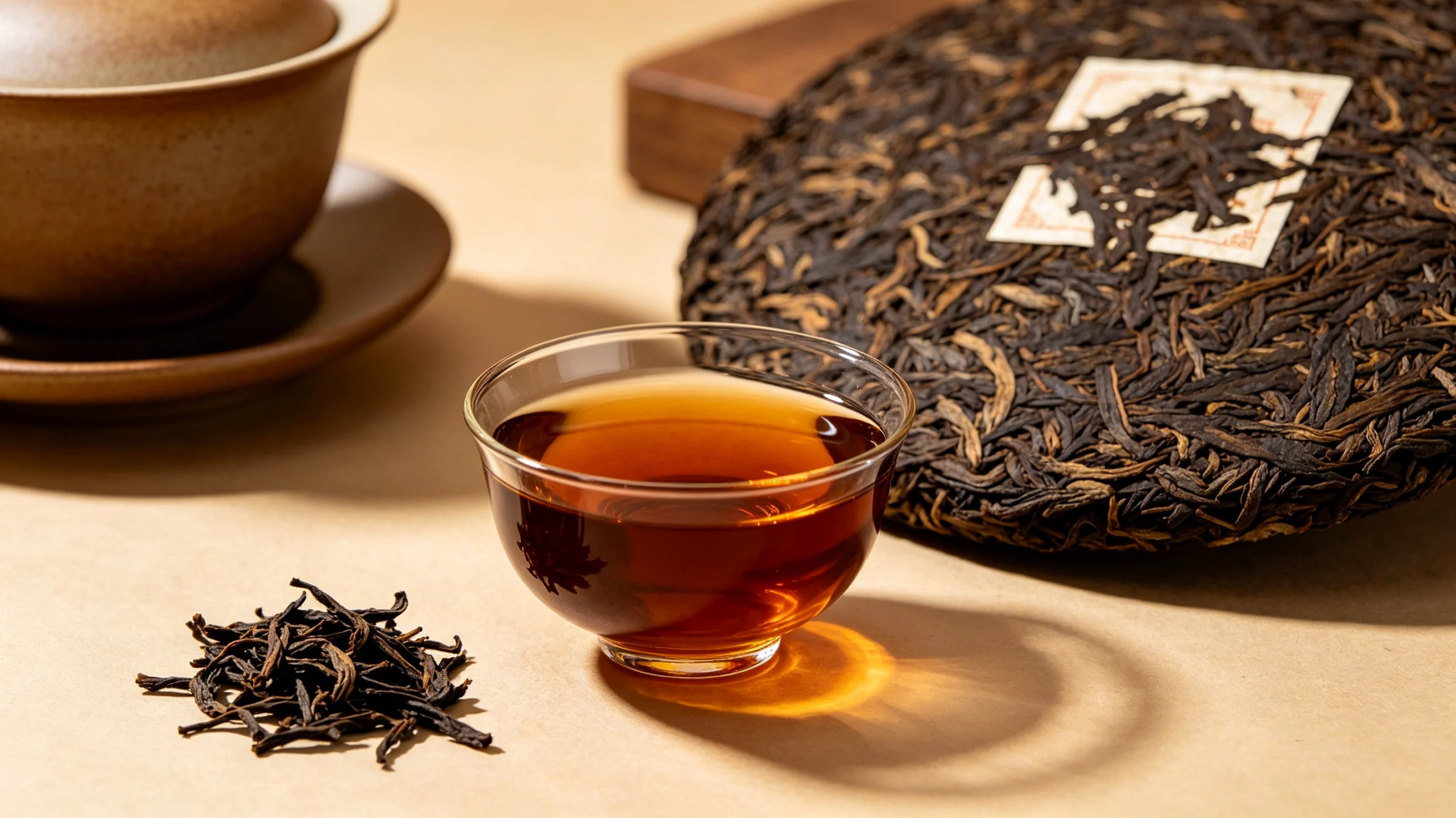
Pu’er tea can feel mysterious to new tea drinkers because it does not behave exactly like green tea, black tea, or oolong. It can be earthy, smooth, bright, woody, mellow, structured, or aged depending on the type. Once you understand the difference between raw and ripe pu’er, the category becomes much easier to approach.
This guide explains what pu’er tea is, how raw and ripe styles differ, and how to brew a cup that feels balanced rather than overwhelming.
What Is Pu’er Tea?
Pu’er tea is a fermented or post-fermented tea traditionally associated with Yunnan, China. It is made from tea leaves and often pressed into cakes, bricks, or other shapes, though loose pu’er also exists.
Unlike many teas that are best enjoyed only when fresh, some pu’er styles are valued for how they change over time. That aging potential is one reason the category has a devoted following.
Raw Pu’er vs Ripe Pu’er
Raw pu’er and ripe pu’er are processed differently and taste different. Raw pu’er can be brighter, more structured, sometimes grassy, fruity, or astringent when young. With age, it may become smoother and deeper.
Ripe pu’er undergoes an accelerated fermentation process that creates a darker, smoother, earthier profile. It is often easier for beginners who enjoy mellow, dark, comforting tea.
What Does Pu’er Tea Taste Like?
Raw pu’er may taste fresh, herbal, woody, fruity, bitter-sweet, or mineral. Ripe pu’er may taste earthy, smooth, dark, forest-like, or lightly sweet. Good pu’er should not taste moldy, sour, or dirty.
The flavor can be unfamiliar at first, so it helps to start with small servings and clean brewing. If the tea feels too intense, adjust leaf amount and steeping time.
How to Choose Pu’er Tea
Choose pu’er tea based on style, taste preference, and experience level.
- Choose ripe pu’er: If you want smooth, dark, earthy tea.
- Choose raw pu’er: If you want brighter structure and aging complexity.
- Choose loose pu’er: If you want convenience.
- Choose pressed pu’er: If you enjoy traditional formats and longer-term storage.
A focused pu’er tea collection can help you compare raw, ripe, loose, and pressed options before buying.
How to Brew Pu’er Tea
Pu’er tea often works well with short steeps and multiple infusions. This approach helps you avoid an overly heavy first cup.
- Use a teapot, gaiwan, or mug infuser.
- Use a modest amount of tea when starting.
- Rinse the leaves briefly if the tea is compressed or very dark.
- Steep for a short time, then taste.
- Repeat with fresh hot water for later infusions.
Can Pu’er Tea Be Brewed Multiple Times?
Yes. Pu’er tea is often brewed many times. Later infusions may become smoother, sweeter, or more open. This is part of the pleasure of drinking pu’er slowly.
If the first cup feels too strong, do not give up immediately. Shorter steeps can reveal a more balanced side of the tea.
How to Store Pu’er Tea
Pu’er tea should be stored away from moisture, direct sunlight, and strong odors. It also needs airflow more than many delicate teas, especially if it is intended for longer storage.
Avoid sealing pu’er with strong-smelling spices or flavored teas. It can absorb odors and lose its own character.
Common Pu’er Tea Mistakes
- Using too much tea: Pu’er can become intense quickly.
- Steeping too long: Short steeps often work better.
- Expecting it to taste like black tea: Pu’er has its own profile.
- Ignoring storage: Moisture and odors can damage the tea.
FAQ
Does pu’er tea have caffeine?
Yes. Pu’er tea contains caffeine because it is made from tea leaves.
Is ripe pu’er better for beginners?
Ripe pu’er is often easier for beginners because it tends to be smoother, darker, and less sharp than young raw pu’er.
Can pu’er tea be aged?
Some pu’er teas can change with age, but storage conditions matter greatly.
Starting With Pu’er Without Overthinking It
Pu’er tea becomes easier when you treat it as a category to explore slowly. Start with a mild ripe pu’er or a approachable raw pu’er, brew short infusions, and pay attention to how the taste changes. The goal is not to understand every tradition at once, but to find a cup that makes you curious enough to keep going.