

White Tea Guide: A Gentle Tea for Slow, Light Sipping
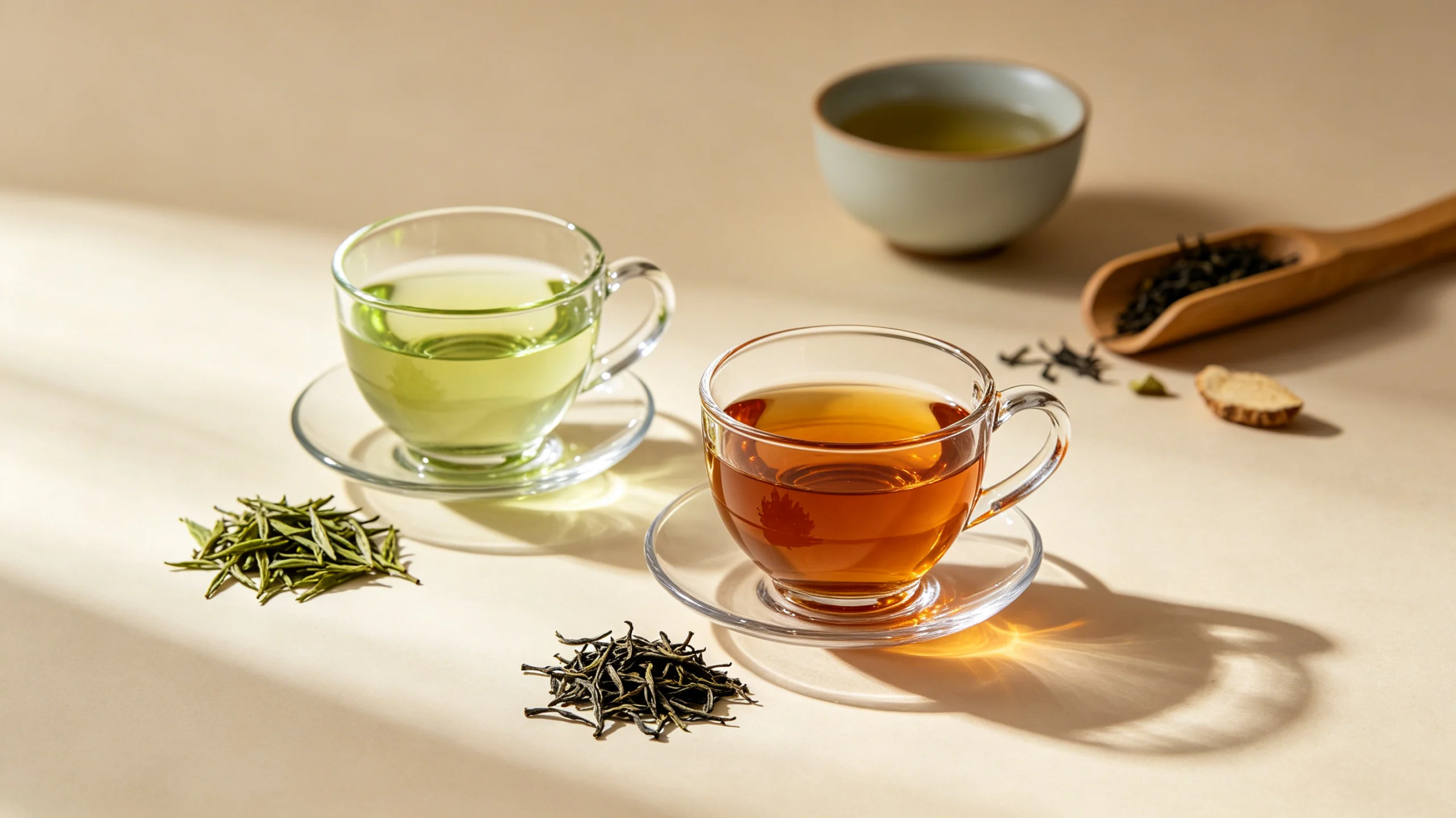
White tea is often described as delicate, but that does not mean it is boring. A good white tea can be soft, sweet, floral, hay-like, fruity, or honeyed. It is a tea for people who enjoy quiet flavor rather than a cup that demands attention.
If green tea sometimes tastes too grassy and black tea feels too strong, white tea may be the calmer middle ground you were looking for.
What Is White Tea?
White tea is made from the Camellia sinensis plant, often using young buds and tender leaves. It is typically processed with minimal handling, which helps preserve a gentle character and subtle aroma.
The name does not mean the tea liquor is white. Brewed white tea may be pale gold, light yellow, or soft amber depending on the style and age.
What Does White Tea Taste Like?
White tea usually tastes light, smooth, and naturally gentle. It may show notes of honey, melon, dried flowers, hay, fresh linen, or soft fruit. The flavor is often less grassy than green tea and less bold than black tea.
Because it is subtle, white tea rewards slower drinking. It is not the best choice when you want a very strong cup, but it can be beautiful when you want calm, clean flavor.
White Tea vs Green Tea
White tea and green tea come from the same plant, but they are processed differently. Green tea is usually heated soon after picking to preserve a fresh green character. White tea is often handled more gently, which can create a softer taste.
Green tea may taste brighter and more vegetal. White tea often feels rounder, quieter, and more delicate.
How to Choose White Tea
Choosing white tea begins with deciding what kind of experience you want.
- Light and delicate: Choose bud-heavy white tea for a soft, elegant cup.
- Fruity and rounded: Choose fuller leaf styles if you want more body.
- Daily drinking: Choose a tea that is pleasant without needing perfect brewing.
- Slow tasting: Choose a style that can handle multiple infusions.
You can compare options in a focused white tea collection and choose based on flavor notes rather than appearance alone.
How to Brew White Tea
White tea is forgiving in some ways, but it still benefits from gentle brewing. Very hot water and long steeping can flatten its subtle aroma.
- Use fresh water and a clean cup or teapot.
- Start with one to two teaspoons per cup, depending on leaf size.
- Use water below boiling for a softer cup.
- Steep for 2 to 4 minutes, then taste.
- Strain the leaves and try a second infusion if the tea still has flavor.
Can White Tea Be Cold Brewed?
White tea can be excellent cold brewed. Cold water draws out sweetness and softness while keeping bitterness low. Place the leaves in cold water, refrigerate for several hours, and strain before drinking.
Cold brewed white tea works well plain, with a slice of peach, or with a small amount of citrus. Avoid adding too much flavor, because white tea is easy to cover.
Common White Tea Mistakes
- Expecting strong flavor: White tea is naturally subtle.
- Using too little tea: Large fluffy leaves may need more volume.
- Using boiling water: This can make the cup flat or rough.
- Adding too many extras: Heavy sweeteners or milk can hide the tea.
How to Store White Tea
White tea should be stored in an airtight container away from heat, light, moisture, and strong odors. Its delicate aroma can fade if the tea is left open or stored near spices and coffee.
Buy an amount you can finish while the tea still smells fresh. A smaller fresh supply is often better than a large bag that sits for too long.
FAQ
Does white tea have caffeine?
Yes. White tea usually contains caffeine because it comes from the tea plant.
Is white tea weaker than green tea?
White tea is often softer and more subtle, but not necessarily lower quality or less interesting.
Can white tea be brewed more than once?
Yes. Many loose leaf white teas can be brewed multiple times if the leaves are good and not oversteeped.
A Softer Way to Drink Tea
White tea is best approached with patience. Brew it gently, taste it slowly, and let its quieter flavors become part of the appeal. For tea drinkers who want a light cup with natural elegance, white tea is worth exploring.