

What Affects Caffeine in Tea? A Practical Guide
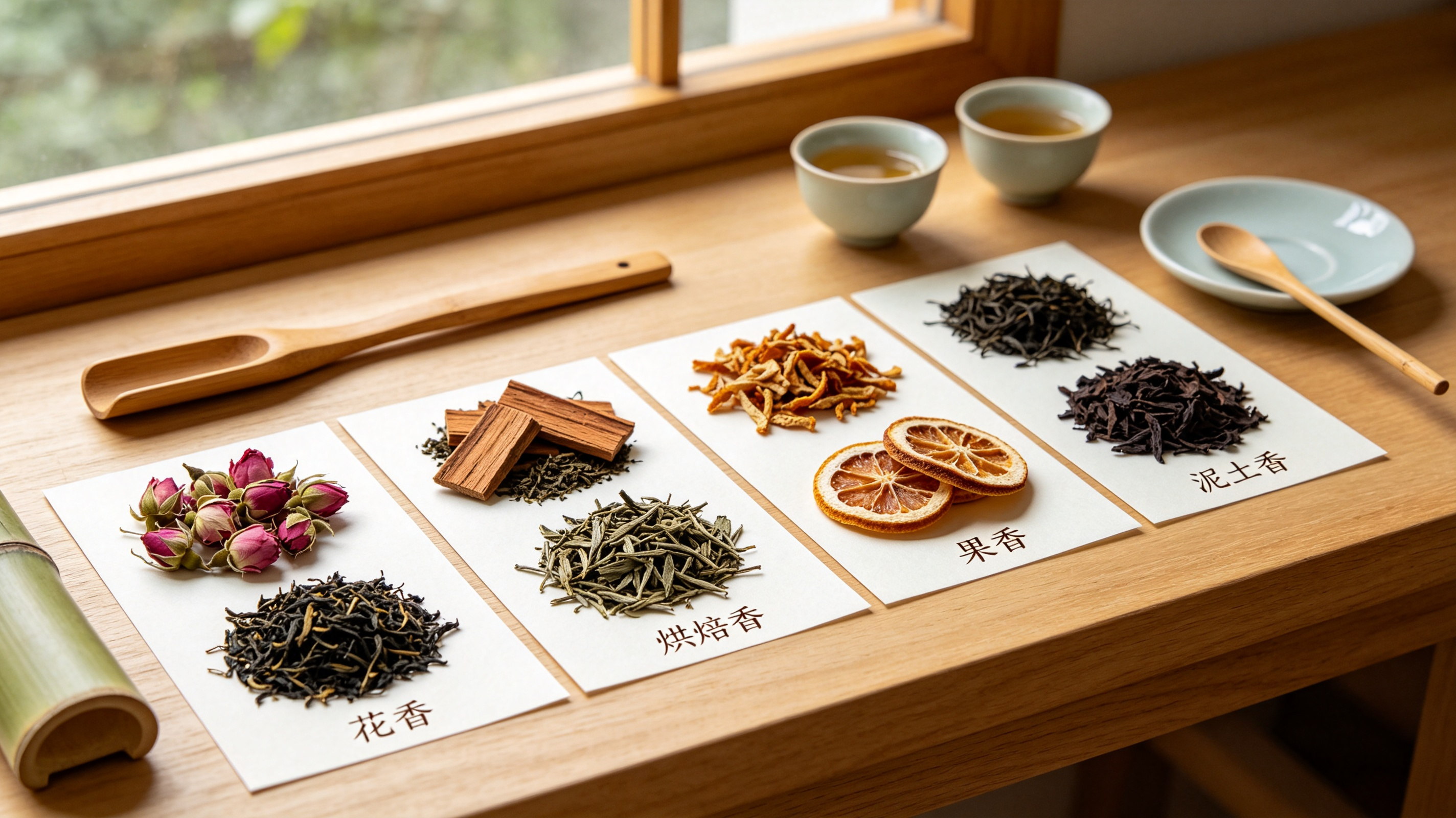
What affects caffeine in tea is a combination of the leaf, the brewing recipe, the serving, and the individual drinking it.
There is no single caffeine number for green tea, black tea, or oolong. The finished cup depends on the specific leaf, how much you use, water temperature, steeping time, and serving size.
Category can provide a rough expectation, but brewing and leaf material can reverse common assumptions.
Leaf Amount
More dry tea generally provides more caffeine available for extraction. A concentrated small-vessel session can use much more leaf than a large mild mug.
Leaf Material
Buds and young leaves can contain substantial caffeine because the plant uses it as part of its natural defense. A delicate-looking tea is not automatically low caffeine.
Water Temperature and Time
Hotter water and longer contact can extract more caffeine along with other compounds. This relationship is not a simple switch; flavor may become unpleasant before extraction is complete.
Serving Size
A large mug can deliver more total caffeine even when the tea tastes mild. Compare the whole serving, not only concentration.
Tea Category
Black tea often has a reputation for more caffeine, but leaf grade, amount, and brewing matter. Matcha can deliver more because the powdered leaf is consumed. Herbal infusions are caffeine-free only when their ingredients are.
Multiple Infusions
Caffeine is extracted across infusions, with a substantial portion appearing early. A quick rinse does not reliably remove nearly all caffeine and should not be treated as a decaffeination method.
Practical Ways to Reduce Intake
- Use a smaller serving.
- Use less leaf.
- Choose a shorter controlled steep.
- Switch later cups to caffeine-free infusions.
- Read ingredients rather than relying on names.
- Track personal response.
Compare naturally caffeine-free options in the wellness tea collection.
Taste Strength and Caffeine Are Not the Same Thing
A dark, bitter cup may feel powerful, but color and bitterness do not measure caffeine directly. A pale tea made with many buds or a high leaf ratio can contain meaningful caffeine even when it tastes soft.
Use serving size and personal response as practical guides. If a particular preparation causes discomfort or affects sleep, reduce the total amount or move it earlier rather than relying on the tea’s color.
- Track leaf amount and cup size.
- Note the time of day.
- Do not use bitterness as a caffeine meter.
Use Caffeine Information as a Range
Laboratory values can help, but your home cup is variable. If caffeine affects sleep, medication, pregnancy, or a health condition, use conservative choices and seek qualified medical guidance.
A Real-World Test
Compare two cups of the same tea: one made with two grams for three minutes and another with four grams for the same time. The larger leaf dose changes both flavor and available caffeine even though the tea name is identical.
What Affects Caffeine in Tea: A Practical Framework
A mild sixteen-ounce mug can deliver more total caffeine than a concentrated-looking small cup. Leaf amount, buds, particle size, water temperature, contact time, and whether powdered leaf is consumed all contribute.
Personal response is also variable. Time of day, food, medications, pregnancy, health conditions, and individual sensitivity can matter more than a generalized chart.
How to Verify the Advice in Your Own Kitchen
Use what affects caffeine in tea to make one prediction before brewing. Predict how quickly the leaves will open, how the aroma may develop, whether the tea might tolerate heat, or whether repeated infusions are likely. A technical term becomes useful only when it leads to something observable.
Check that prediction through the scenario described above and the first two review points: “Measure leaf amount.” and “Count the whole serving size..” If the cup contradicts the expectation, consider cultivar, roast, leaf size, storage, and brewing before rejecting the entire explanation.
Avoid turning one processing feature, season, grade, or origin claim into a complete quality score. Tea reaches the cup through several linked stages. The most reliable interpretation keeps the term narrow and lets aroma, taste, texture, and finish provide the final evidence.
| Check | Evidence to keep |
|---|---|
| Measure leaf amount. | Observe the result and record the next adjustment. |
| Count the whole serving size. | Observe the result and record the next adjustment. |
| Note water temperature and time. | Observe the result and record the next adjustment. |
This verification step keeps what affects caffeine in tea tied to a real result rather than a rule copied from another kitchen, product page, or tea table.
Continue with Caffeine-Free vs Decaf Tea: What the Labels Mean.
Common Questions
Does black tea always have more caffeine than green tea?
No. Specific leaf and brewing variables can reverse broad category averages.
Does a quick rinse remove most caffeine?
No. It is not a dependable home decaffeination method.
Does re-steeped tea still contain caffeine?
Yes. Caffeine is extracted across infusions, although the amount changes over time.
What This Guide Cannot Decide for You
What Affects Caffeine in Tea provides a model, not a complete explanation of every tea. Cultivar, weather, processing skill, storage, water, and brewing can reinforce or contradict the expectation created by one term.
When the evidence is mixed, keep the label narrow. Use “Measure leaf amount.” and “Count the whole serving size.” to gather more context instead of expanding the claim until it explains everything.
- Keep: the parts of what affects caffeine in tea that produce a repeatable improvement.
- Recheck: results that appeared only once or under unusual conditions.
- Adapt: vessel size, water, timing, and serving to the actual situation.
- Stop: when safety, contamination, or damaged equipment becomes the concern.
Turn the definition into a prediction you can test
A technical term matters when it helps predict leaf behavior, flavor, storage, or brewing. Use the definition to form a hypothesis, then check it in the cup.
Avoid treating one feature as a complete quality score. Tea is the combined result of raw material, processing, storage, water, and preparation.
Five Checks That Prevent Guessing
- Measure leaf amount.
- Count the whole serving size.
- Note water temperature and time.
- Do not rely on color alone.
- Switch later cups to clearly caffeine-free ingredients when needed.
Let the Cup Confirm the Rule
The best approach to what affects caffeine in tea is the one that remains clear after the marketing language is removed.
For practical follow-up: loose leaf tea collection.