

The Best Loose Leaf Tea Is the One That Fits How You Drink Tea
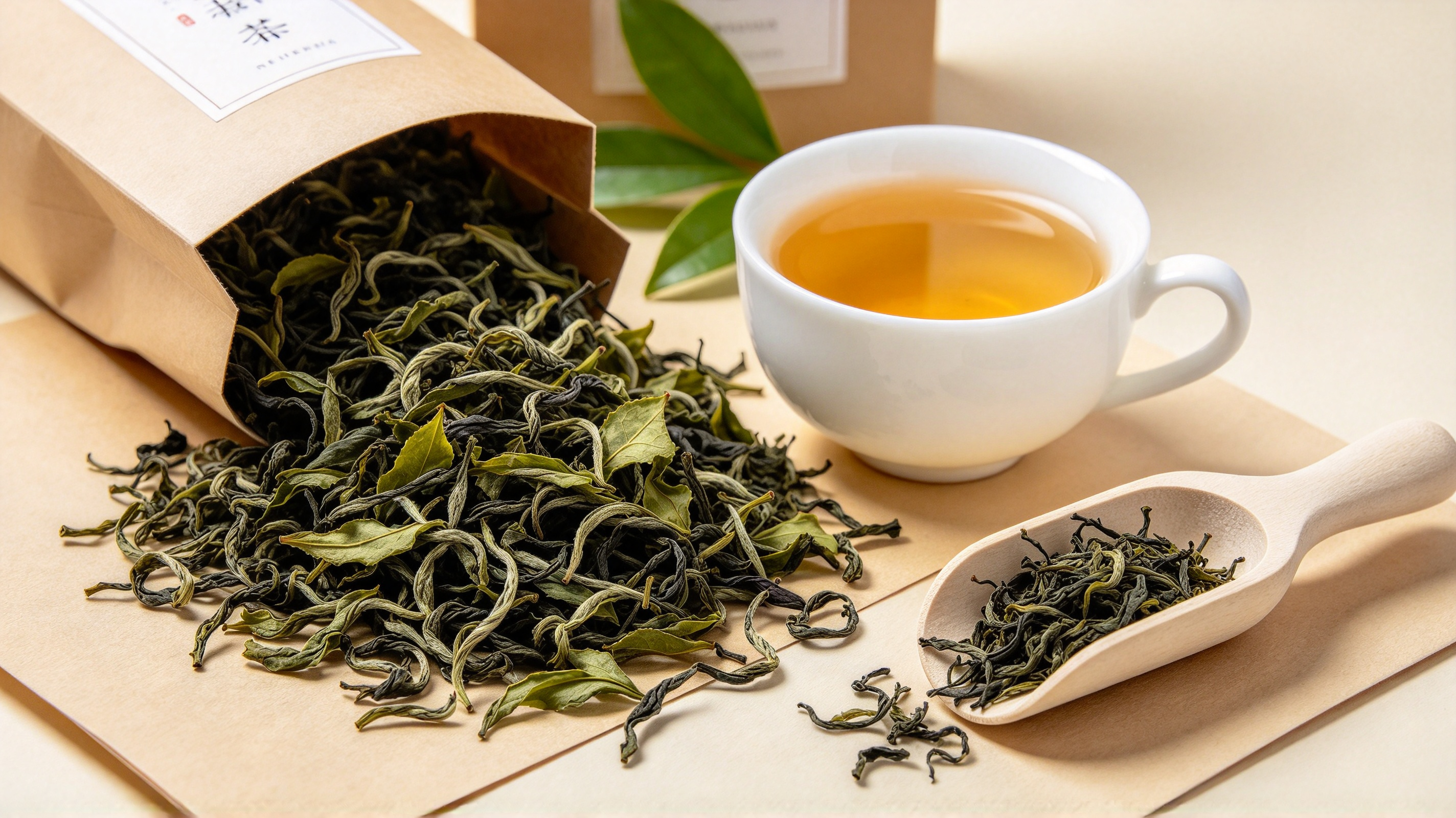
People often search for best loose leaf tea as if there were one universal answer. In practice, the useful answer depends on the tea, how it was processed, how you brew it, and what you actually want from the cup. This guide focuses on the decisions that change the experience rather than repeating broad rules.
A sensible starting point is to compare one variable at a time. Keep the water, serving size, and basic brewing method consistent, then notice what changes when you alter the leaf, tool, storage method, or product choice.
Best Loose Leaf Tea: the practical starting point
For best loose leaf tea, begin with the purpose of the tea or tool. Are you trying to improve flavor, simplify daily brewing, compare quality, protect freshness, or choose something for another person? That purpose determines which details deserve attention and which can be ignored.
Start with the drinking experience, not the label
Loose leaf tea varies enormously in leaf size, oxidation, roast, scenting, age, and intended brewing style. A useful comparison therefore starts with what you want in the cup: fresh and light, brisk and full, floral, roasted, earthy, or caffeine-free. Once that is clear, price and packaging become easier to judge.
Leaf shape is useful evidence, but not a universal grade
Large intact leaves can indicate careful handling in many teas, yet some excellent teas are rolled, cut, compressed, or naturally made with smaller particles. Judge the leaf against the style. Clean aroma, appropriate appearance, and a balanced brew are more reliable than assuming that every whole leaf is automatically better.
Brewing can make a good tea look bad
Too much leaf, water that is too hot, or a steep that runs too long can create bitterness and dryness. Too little leaf or water that is too cool can make the same tea seem thin. Before judging quality, use a repeatable ratio and change one variable at a time.
For a broader comparison, see our loose leaf tea section and use it alongside the specific checks in this guide.
Freshness and storage change the answer
Air, heat, light, moisture, and strong odors can flatten tea quickly. Fresh green and jasmine teas are especially easy to damage through careless storage, while roasted, black, white, and aged teas may behave differently. A resealable barrier pouch or well-sealed tin is often more useful than decorative packaging.
Price should have an explanation
Higher prices can reflect better raw material, skilled processing, lower yields, limited harvests, origin, age, or expensive handling. They can also reflect branding and packaging. Look for a reason you can understand rather than assuming price alone proves quality.
A simple way to test the choice at home
- Read the product description for concrete information rather than only premium-sounding adjectives.
- Match the tea or tool to the amount you normally brew and the way you actually drink it.
- Use a repeatable brewing ratio before making a quality judgment.
- Keep the tea dry, sealed, and away from strong odors after opening.
- Buy a smaller amount first when the style is unfamiliar, then scale up if you genuinely enjoy it.
Water can hide or exaggerate differences
Very hard water can mute aroma and create a flatter cup, while extremely soft or distilled water can also make tea seem thin. When comparing teas, use the same water source so you are not accidentally comparing two different brewing conditions rather than two different products.
Buy enough to learn, not enough to regret
When a tea, tool, or format is unfamiliar, start smaller. Several sessions are enough to learn whether you like the flavor or workflow. Buying a large quantity because the unit price looks attractive can become expensive if the tea sits open for months or the equipment is inconvenient to clean.
Pay attention after the tea cools
Heat can make aroma seem stronger and can hide rough edges. Taste again after a few minutes. Sweetness, roast, floral notes, bitterness, astringency, and unwanted off-flavors often become easier to notice at a comfortable drinking temperature.
Build a small reference point at home
Keep one familiar tea that you know well. When trying something new, brew the reference tea with the same water and equipment. This gives you a practical baseline for body, aroma, bitterness, and value without needing professional tasting equipment.
What matters after the first cup
With best loose leaf tea, consistency matters more than chasing a perfect rule. Start with a sensible baseline, change one variable at a time, and keep the choices that make the tea easier to enjoy repeatedly.
Change one thing at a time
When the result is not quite right, resist the urge to change leaf quantity, temperature, water, and steeping time together. Adjust one variable, brew again, and compare. This simple habit turns trial and error into useful information and makes it much easier to repeat a good cup later.
For best loose leaf tea, this kind of repeatable testing is more useful than chasing a single perfect number or buying decision.
Keep the reference point simple
You do not need professional equipment to evaluate tea well. A familiar mug, a small scale, one kettle, and consistent water are enough to create a useful reference point. Once those stay stable, differences in the tea, storage, or brewing tool become easier to recognize.
Use value over time, not just the checkout price
The cheapest option can become expensive if it goes stale, is unpleasant to use, or never gets finished. The higher-priced option is not automatically better either. Think about how many enjoyable cups you are likely to get, how well the tea will keep, and whether the equipment will still be convenient after repeated use.