

Organic Loose Leaf Green Tea — What to Check Beyond the Label
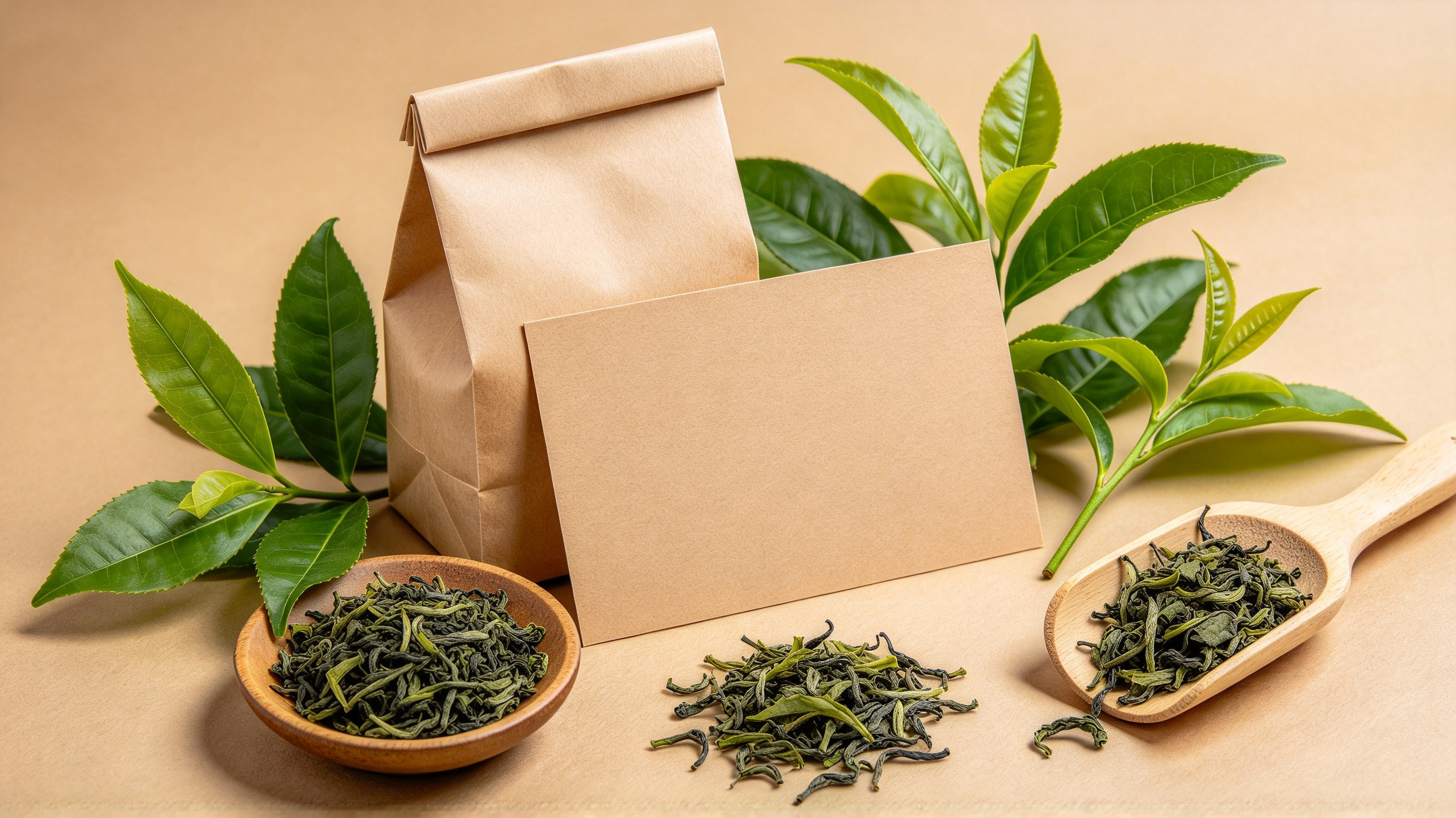
organic loose leaf green tea sounds like a narrow topic, but it usually brings together several choices: quality, flavor, brewing, storage, and value. The easiest way to make sense of it is to separate what matters in the cup from what is mostly packaging or habit.
A sensible starting point is to compare one variable at a time. Keep the water, serving size, and basic brewing method consistent, then notice what changes when you alter the leaf, tool, storage method, or product choice.
Organic Loose Leaf Green Tea: the practical starting point
For organic loose leaf green tea, begin with the purpose of the tea or tool. Are you trying to improve flavor, simplify daily brewing, compare quality, protect freshness, or choose something for another person? That purpose determines which details deserve attention and which can be ignored.
| What to Check | Useful Question |
|---|---|
| Aroma | Is it clean and characteristic of the style? |
| Leaf condition | Does it look appropriate rather than simply “perfect”? |
| Brewing behavior | Can you adjust strength without the cup falling apart? |
| Finish | Does the tea remain pleasant after swallowing and cooling? |
Green tea is especially sensitive to brewing temperature
Many green teas show their best side below boiling. Very hot water can pull bitterness and astringency faster than sweetness and aroma. Start moderately, then raise or lower temperature after tasting rather than treating one number as correct for every green tea.
Leaf shape changes the way green tea behaves
Flat, curled, twisted, rolled, and needle-like leaves do not occupy a spoon in the same way. Measuring by weight gives you a more consistent starting point, especially when comparing two green teas with very different shapes.
Freshness matters, but ‘newer’ is not the whole story
Green tea is often valued for bright aroma and a lively cup, so poor storage becomes obvious quickly. At the same time, different styles are finished and rested differently. Focus on clean aroma, appropriate color, and how the tea tastes rather than chasing an arbitrary harvest date without context.
For a broader comparison, see our green teas section and use it alongside the specific checks in this guide.
Bitterness is a brewing clue
If a green tea is unpleasantly bitter, first shorten the steep or lower the temperature before deciding that the leaves are poor. If the cup is clean but weak, adding a little more leaf often works better than extending the steep dramatically.
Food pairing works best when the tea stays visible
Light green teas can disappear beside very rich or aggressively spiced food. Pair them with cleaner flavors, gentle sweetness, seafood, rice dishes, vegetables, or lightly seasoned foods where the tea can still contribute aroma and freshness.
Check what ‘organic’ actually refers to
Organic claims should be tied to a recognized certification or clearly explained standard where required. Check the certifier, the product scope, and whether the claim applies to the tea itself rather than only to a retailer or facility. Organic status can matter to a buyer, but it does not by itself guarantee better flavor.
Use this short checklist
- Read the product description for concrete information rather than only premium-sounding adjectives.
- Match the tea or tool to the amount you normally brew and the way you actually drink it.
- Use a repeatable brewing ratio before making a quality judgment.
- Keep the tea dry, sealed, and away from strong odors after opening.
- Buy a smaller amount first when the style is unfamiliar, then scale up if you genuinely enjoy it.
You can also compare related options in our loose leaf tea pages before deciding what fits your routine.
Pay attention after the tea cools
Heat can make aroma seem stronger and can hide rough edges. Taste again after a few minutes. Sweetness, roast, floral notes, bitterness, astringency, and unwanted off-flavors often become easier to notice at a comfortable drinking temperature.
Write down one useful sentence
You do not need formal tasting language. A note such as ‘floral but too light at this ratio’ or ‘clean, brisk, good with breakfast’ is more useful than a long list of poetic descriptors. Short notes help you repeat successful brews and avoid buying the same style under a different name.
Convenience matters because habits decide what gets used
A theoretically perfect method has little value if it takes too long on a normal morning. Favor a setup you can rinse, refill, and repeat without frustration. Daily usability is especially important for infusers, storage containers, office tea, travel sets, and gifts for beginners.
Smaller packages often protect green tea better
If you drink green tea slowly, buying several small sealed packs can preserve aroma better than repeatedly opening one large bag. This is especially useful for delicate teas whose appeal depends on fresh fragrance.
Questions people often ask
Is organic loose leaf green tea always more expensive?
Not necessarily. Price depends on material, processing, origin, packaging, quantity, and seller. Compare what the product actually offers rather than treating a higher price as automatic proof of quality.
How should I compare two options fairly?
Use similar quantities, the same water, and the same basic brewing conditions. For tools or gift sets, compare capacity, usability, cleaning, and what is included rather than relying only on appearance.
Should I buy a large quantity the first time?
Usually not. Start with enough for several sessions. Once you know the flavor or setup suits you, a larger purchase becomes easier to justify.
Keep the decision practical
In the end, organic loose leaf green tea is most useful when the advice survives real daily use. Favor clear information, appropriate brewing, clean storage, and a flavor you genuinely want to return to.