

Earl Grey Loose Leaf Tea and the Difference Good Bergamot Makes
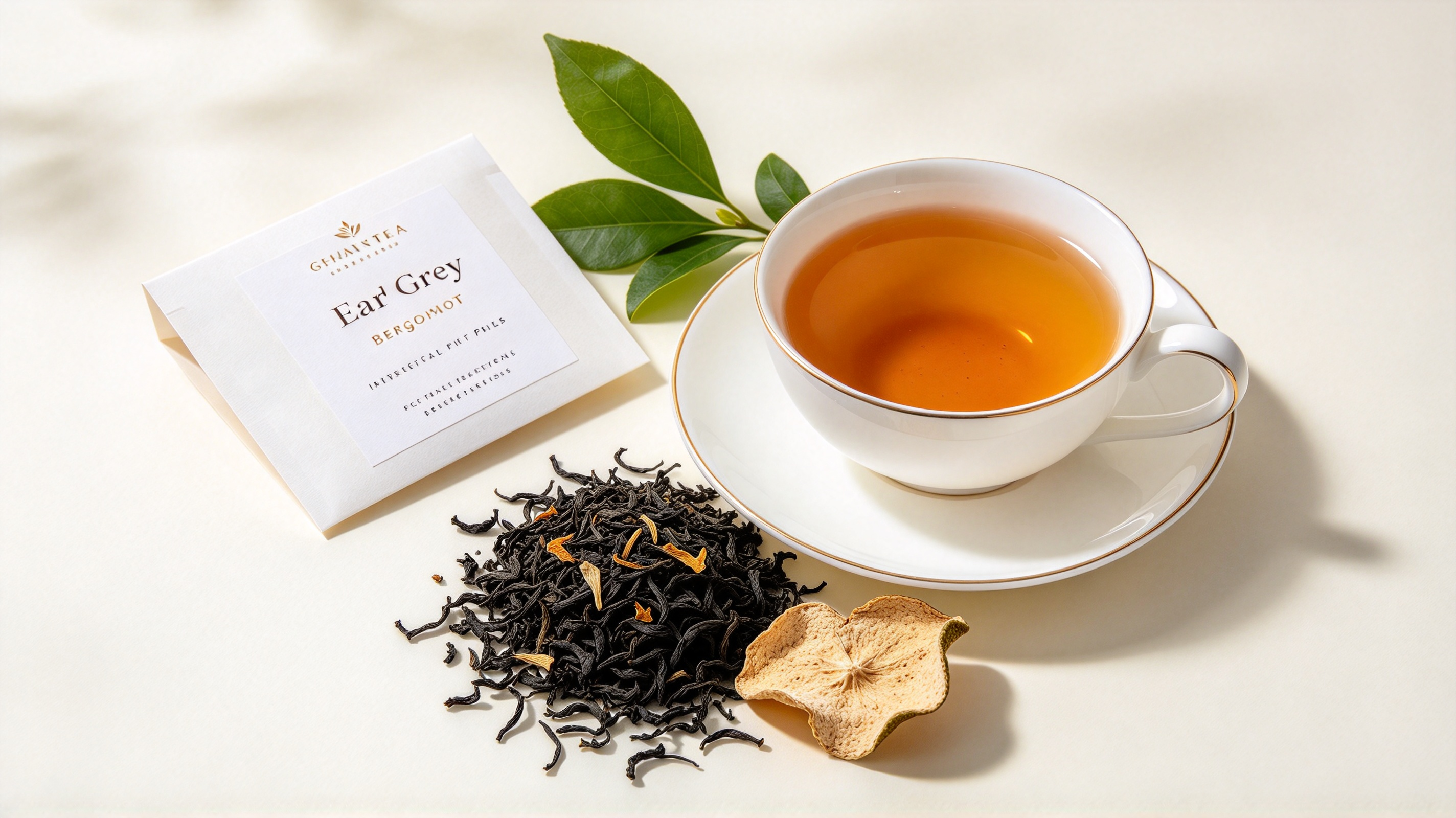
If you are comparing options for earl grey loose leaf tea, start with the result you want rather than the label on the bag. Tea is easier to choose when you know which details change flavor, convenience, freshness, or cost—and which details are mostly personal preference.
A sensible starting point is to compare one variable at a time. Keep the water, serving size, and basic brewing method consistent, then notice what changes when you alter the leaf, tool, storage method, or product choice.
Earl Grey Loose Leaf Tea: the practical starting point
For earl grey loose leaf tea, begin with the purpose of the tea or tool. Are you trying to improve flavor, simplify daily brewing, compare quality, protect freshness, or choose something for another person? That purpose determines which details deserve attention and which can be ignored.
Strength and harshness are different
A full-bodied black tea can be powerful without tasting rough. If the cup becomes aggressively drying, shorten the steep or reduce leaf quantity. If it tastes hollow, a little more leaf may help more than several extra minutes of brewing.
Whole leaf can offer control, but broken leaf has a place
Large leaves often extract gradually and can work well for repeated infusions. Smaller broken leaves extract faster and can be excellent when you want a brisk breakfast-style cup. The right choice depends on how you drink tea, not on a simplistic whole-leaf hierarchy.
| What to Check | Useful Question |
|---|---|
| Aroma | Is it clean and characteristic of the style? |
| Leaf condition | Does it look appropriate rather than simply “perfect”? |
| Brewing behavior | Can you adjust strength without the cup falling apart? |
| Finish | Does the tea remain pleasant after swallowing and cooling? |
Milk changes what you should look for
If you regularly add milk, choose a black tea with enough body and aroma to remain present after dilution. Increasing leaf slightly is usually more effective than oversteeping until the tea becomes harsh.
For a broader comparison, see our black teas section and use it alongside the specific checks in this guide.
Storage should protect aroma from the kitchen
Black tea is relatively robust, but it still absorbs odors and gradually loses aroma. Keep it sealed away from coffee, spices, steam, and direct sunlight, and avoid repeatedly opening a very large bulk container if you drink it slowly.
Bergamot should support the black tea
Earl Grey is defined by bergamot character, but the best balance depends on the base tea. A bright citrus aroma should remain recognizable without turning the cup into perfume. Taste the tea as it cools; the base tea and citrus should still make sense together.
Black tea is not one flavor
Black tea can be malty, brisk, fruity, honeyed, floral, smoky, cocoa-like, or woody depending on cultivar, origin, leaf grade, and processing. Choosing by flavor family is more useful than assuming every black tea should taste strong and tannic.
Before you commit to a larger quantity
- Read the product description for concrete information rather than only premium-sounding adjectives.
- Match the tea or tool to the amount you normally brew and the way you actually drink it.
- Use a repeatable brewing ratio before making a quality judgment.
- Keep the tea dry, sealed, and away from strong odors after opening.
- Buy a smaller amount first when the style is unfamiliar, then scale up if you genuinely enjoy it.
You can also compare related options in our loose leaf tea pages before deciding what fits your routine.
Convenience matters because habits decide what gets used
A theoretically perfect method has little value if it takes too long on a normal morning. Favor a setup you can rinse, refill, and repeat without frustration. Daily usability is especially important for infusers, storage containers, office tea, travel sets, and gifts for beginners.
Separate a quality problem from a preference problem
A tea can be well made and still not suit you. Strong roast, tart hibiscus, brisk black tea, grassy green tea, or intense jasmine may be exactly what another drinker wants. Before calling something low quality, ask whether the cup is flawed or simply outside your preferred flavor range.
Use the second cup as a reality check
First impressions are useful, but a second brewing session is often more revealing. Repeat the same recipe once before changing everything. If the result is consistent, you have learned something about the tea or tool. If it changes dramatically, check water temperature, leaf quantity, timing, and storage before drawing a firm conclusion.
Try the tea both plain and the way you normally drink it
If you usually add milk, lemon, or sugar, evaluate the tea that way after first tasting it plain. A tea that is elegant on its own may disappear with milk, while a brisk breakfast tea may become more balanced once diluted.
A few practical questions
What matters most when choosing earl grey loose leaf tea?
Start with the intended use: flavor, daily convenience, gifting, storage, or comparison. Then judge the details that affect that purpose instead of chasing every possible feature.
Does packaging tell me whether the tea is good?
Packaging can protect freshness, but luxury presentation is not a quality grade. Look for a good seal, clear information, and tea that performs well in the cup.
Can brewing change my impression of quality?
Yes. Temperature, leaf-to-water ratio, steeping time, and water chemistry can all change the result. Use a consistent baseline before deciding that a tea is weak, bitter, or poor quality.
The useful test is repeatability
Treat earl grey loose leaf tea as a practical decision rather than a badge of expertise. When the tea, tool, or setup fits your habits, you will use it more often—and that matters more than owning the most elaborate option.