

Loose Leaf Oolong Tea for Beginners — Floral, Roasted, or Balanced?
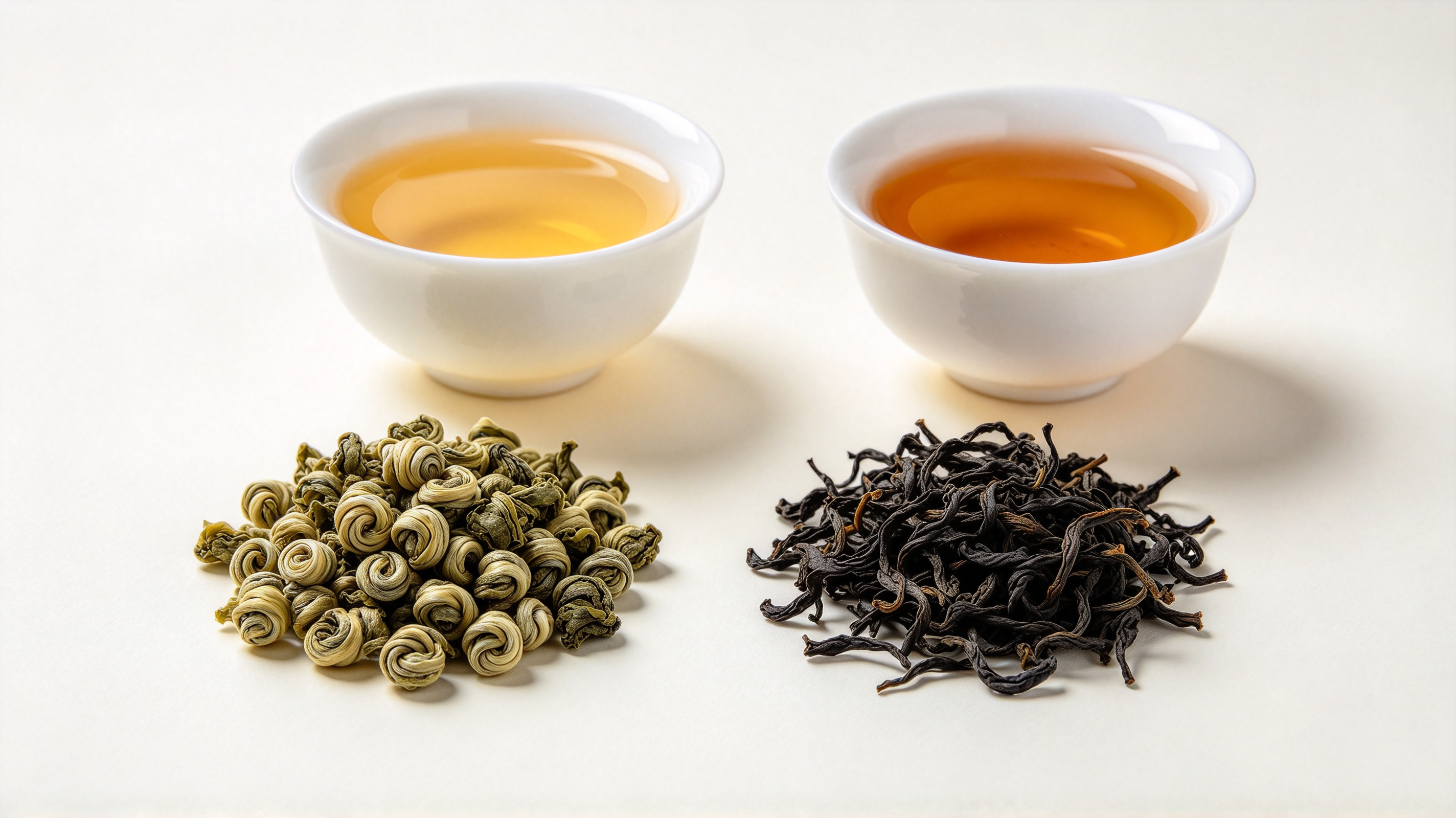
There is no need to make loose leaf oolong tea complicated. A few practical checks can tell you far more than a long list of marketing adjectives. The sections below focus on what you can see, smell, brew, compare, and adjust at home.
A sensible starting point is to compare one variable at a time. Keep the water, serving size, and basic brewing method consistent, then notice what changes when you alter the leaf, tool, storage method, or product choice.
Loose Leaf Oolong Tea: the practical starting point
For loose leaf oolong tea, begin with the purpose of the tea or tool. Are you trying to improve flavor, simplify daily brewing, compare quality, protect freshness, or choose something for another person? That purpose determines which details deserve attention and which can be ignored.
Roast changes both aroma and patience
Freshly roasted oolong can taste different after a period of rest. Lighter styles often emphasize floral or creamy notes, while deeper roasting can add toast, nuts, caramelized aromas, or mineral character. Neither direction is automatically higher quality.
Multiple infusions are part of the value
Many oolongs open gradually and change across several steeps. Pay attention to how aroma, texture, and sweetness develop rather than judging the tea entirely from the first infusion.
Oolong is a spectrum rather than a single style
Oolong can range from light, green, and floral to deeply oxidized or heavily roasted. That is why choosing an oolong by the word ‘oolong’ alone tells you very little. Oxidation and roast are often better starting clues for flavor.
For a broader comparison, see our oolong teas section and use it alongside the specific checks in this guide.
Rolled leaves need room to open
Many oolongs expand dramatically in water. A cramped tea ball can restrict leaf movement, so a roomy basket, gaiwan, or teapot often gives more even extraction. If the wet leaves are pressed tightly against the brewer, use a larger vessel or less leaf.
Western and gongfu ratios are different systems
A gongfu session may use much more leaf with much less water and very short steeps. Western brewing generally uses less leaf and longer infusions. Mixing the high leaf ratio of one method with the long steep of the other can create an unnecessarily intense cup.
A quick check before you buy
- Read the product description for concrete information rather than only premium-sounding adjectives.
- Match the tea or tool to the amount you normally brew and the way you actually drink it.
- Use a repeatable brewing ratio before making a quality judgment.
- Keep the tea dry, sealed, and away from strong odors after opening.
- Buy a smaller amount first when the style is unfamiliar, then scale up if you genuinely enjoy it.
You can also compare related options in our loose leaf tea pages before deciding what fits your routine.
Use the second cup as a reality check
First impressions are useful, but a second brewing session is often more revealing. Repeat the same recipe once before changing everything. If the result is consistent, you have learned something about the tea or tool. If it changes dramatically, check water temperature, leaf quantity, timing, and storage before drawing a firm conclusion.
Do not let one visual cue make the decision
Color, leaf size, packaging, or price can attract attention, but none of them should decide the purchase alone. Tea is a sensory product. The more useful evidence comes from clean aroma, appropriate processing, a cup that remains balanced as it cools, and information that explains what you are buying.
Water can hide or exaggerate differences
Very hard water can mute aroma and create a flatter cup, while extremely soft or distilled water can also make tea seem thin. When comparing teas, use the same water source so you are not accidentally comparing two different brewing conditions rather than two different products.
Judge later infusions as part of the tea, not as leftovers
Oolong often changes after the first steep. Later cups can become more floral, mineral, sweet, or soft as the leaves fully open. A tea that develops across infusions can offer more value than one dramatic first cup followed by nothing.
Choose for the way you actually drink tea
The best way to approach loose leaf oolong tea is to use these points as a starting framework, then adjust for the tea and the way you drink it. A good choice should make brewing easier, keep the flavor clear, and still feel sensible after the novelty wears off.
Check the result against your normal routine
A recommendation is only useful if it works on an ordinary day. Try the tea or setup when you are not carefully staging a tasting session. Notice how long it takes, how easy it is to clean up, whether the flavor stays consistent, and whether you still reach for it a week later. Daily use is often the clearest test of whether a purchase or method was genuinely suitable.
For loose leaf oolong tea, this kind of repeatable testing is more useful than chasing a single perfect number or buying decision.
Change one thing at a time
When the result is not quite right, resist the urge to change leaf quantity, temperature, water, and steeping time together. Adjust one variable, brew again, and compare. This simple habit turns trial and error into useful information and makes it much easier to repeat a good cup later.