

Loose Leaf Herbal Tea Without the Guesswork — A Flavor-First Guide
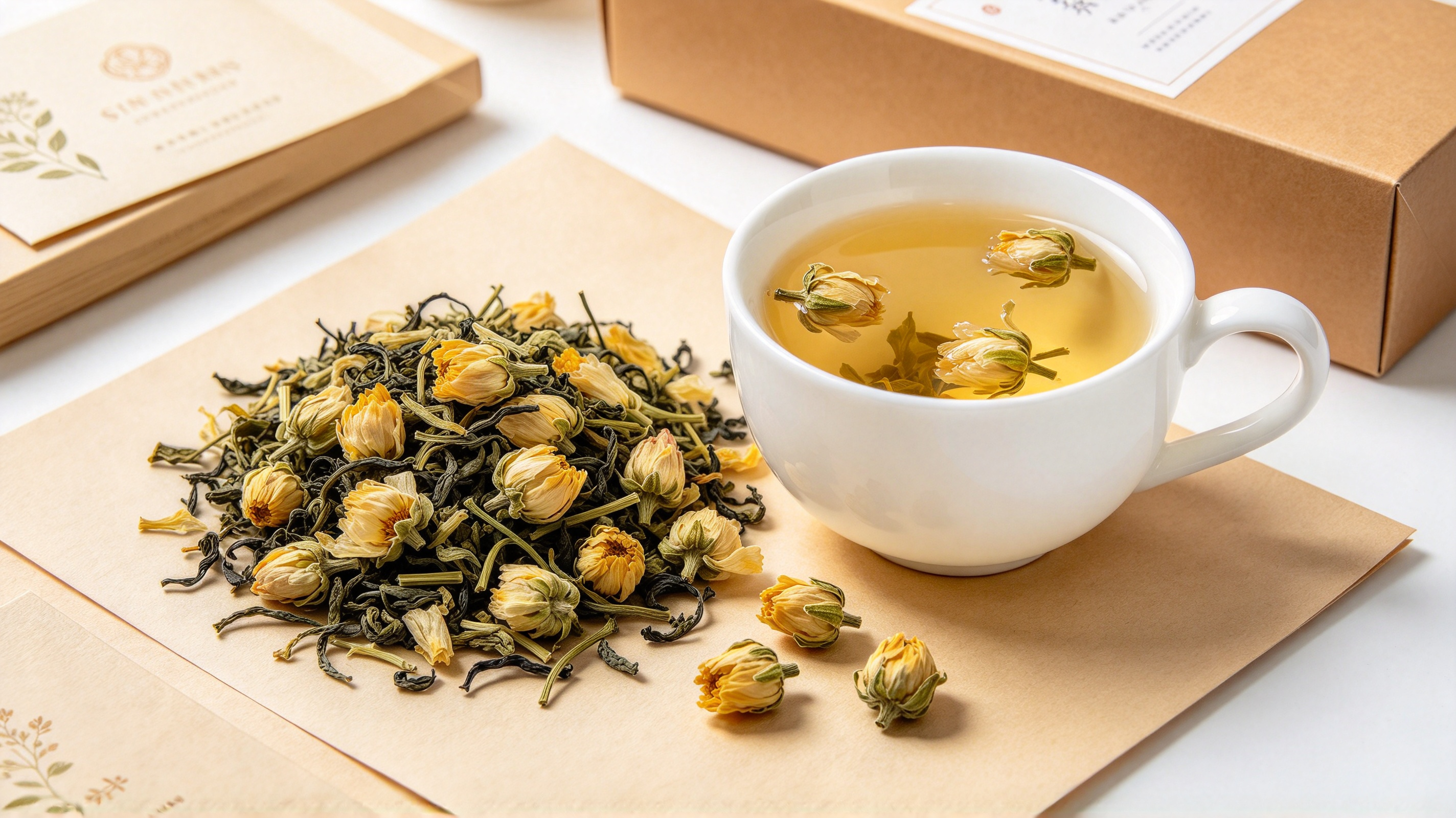
A useful guide to loose leaf herbal tea should help you make a decision, not just define the words. Here we look at the practical signs that affect taste, brewing control, storage, and whether a purchase will still make sense after the first few cups.
A sensible starting point is to compare one variable at a time. Keep the water, serving size, and basic brewing method consistent, then notice what changes when you alter the leaf, tool, storage method, or product choice.
Loose Leaf Herbal Tea: the practical starting point
For loose leaf herbal tea, begin with the purpose of the tea or tool. Are you trying to improve flavor, simplify daily brewing, compare quality, protect freshness, or choose something for another person? That purpose determines which details deserve attention and which can be ignored.
| What to Check | Useful Question |
|---|---|
| Aroma | Is it clean and characteristic of the style? |
| Leaf condition | Does it look appropriate rather than simply “perfect”? |
| Brewing behavior | Can you adjust strength without the cup falling apart? |
| Finish | Does the tea remain pleasant after swallowing and cooling? |
Storage still matters
Dried flowers and herbs can absorb moisture and kitchen odors just like tea. Keep them sealed, dry, and away from steam. Blends with fruit pieces may also have different storage behavior from plain tea leaves.
Start with ingredients and flavor, not wellness promises
Herbal infusions can be floral, minty, tart, earthy, spicy, or naturally sweet. Ingredient clarity is more useful than vague claims about detoxing, sleep, stress, or metabolism. Choose the flavor profile first and treat health claims with appropriate caution.
Herbal ingredients often need more volume
Flowers, leaves, fruit pieces, roots, and peels can be bulky and light. A tablespoon of chamomile may weigh far less than a tablespoon of dense black tea. Weight is useful when you want repeatability, while volume is convenient once you know the blend.
For a broader comparison, see our loose leaf tea section and use it alongside the specific checks in this guide.
Longer steeps are often more forgiving
Many caffeine-free herbal infusions tolerate longer steeping than delicate green tea, but that does not mean every ingredient should be boiled indefinitely. Taste as you go, especially with mint, hibiscus, spices, or bitter roots.
Color is not the same as strength
Hibiscus can turn water deep red quickly, while chamomile may remain pale even when aromatic. Judge the cup by taste and aroma rather than assuming darker color always means a stronger or better infusion.
A simple way to test the choice at home
- Read the product description for concrete information rather than only premium-sounding adjectives.
- Match the tea or tool to the amount you normally brew and the way you actually drink it.
- Use a repeatable brewing ratio before making a quality judgment.
- Keep the tea dry, sealed, and away from strong odors after opening.
- Buy a smaller amount first when the style is unfamiliar, then scale up if you genuinely enjoy it.
Water can hide or exaggerate differences
Very hard water can mute aroma and create a flatter cup, while extremely soft or distilled water can also make tea seem thin. When comparing teas, use the same water source so you are not accidentally comparing two different brewing conditions rather than two different products.
Buy enough to learn, not enough to regret
When a tea, tool, or format is unfamiliar, start smaller. Several sessions are enough to learn whether you like the flavor or workflow. Buying a large quantity because the unit price looks attractive can become expensive if the tea sits open for months or the equipment is inconvenient to clean.
Pay attention after the tea cools
Heat can make aroma seem stronger and can hide rough edges. Taste again after a few minutes. Sweetness, roast, floral notes, bitterness, astringency, and unwanted off-flavors often become easier to notice at a comfortable drinking temperature.
Check the ingredient list when the blend name is vague
Names such as evening blend, calm blend, or wellness tea do not tell you what is actually in the cup. Ingredient order and clear labeling help you predict flavor and avoid assuming a blend is caffeine-free unless its components support that claim.
A few practical questions
Is loose leaf herbal tea always more expensive?
Not necessarily. Price depends on material, processing, origin, packaging, quantity, and seller. Compare what the product actually offers rather than treating a higher price as automatic proof of quality.
How should I compare two options fairly?
Use similar quantities, the same water, and the same basic brewing conditions. For tools or gift sets, compare capacity, usability, cleaning, and what is included rather than relying only on appearance.
Should I buy a large quantity the first time?
Usually not. Start with enough for several sessions. Once you know the flavor or setup suits you, a larger purchase becomes easier to justify.
Let the cup confirm the choice
With loose leaf herbal tea, consistency matters more than chasing a perfect rule. Start with a sensible baseline, change one variable at a time, and keep the choices that make the tea easier to enjoy repeatedly.
Change one thing at a time
When the result is not quite right, resist the urge to change leaf quantity, temperature, water, and steeping time together. Adjust one variable, brew again, and compare. This simple habit turns trial and error into useful information and makes it much easier to repeat a good cup later.
For loose leaf herbal tea, this kind of repeatable testing is more useful than chasing a single perfect number or buying decision.