

How to Choose Loose Leaf Jasmine Tea Without Chasing Strong Perfume
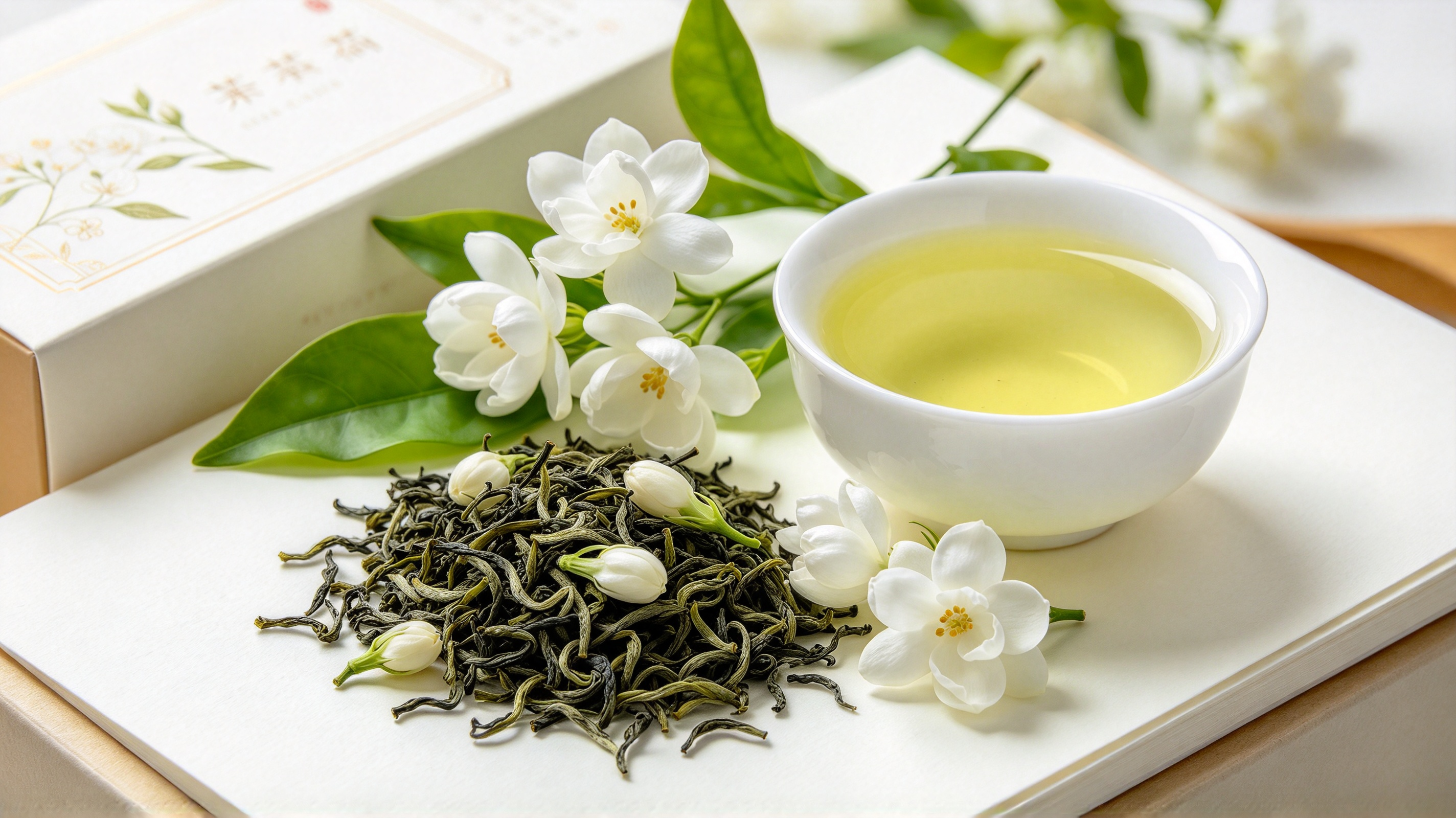
People often search for loose leaf jasmine tea as if there were one universal answer. In practice, the useful answer depends on the tea, how it was processed, how you brew it, and what you actually want from the cup. This guide focuses on the decisions that change the experience rather than repeating broad rules.
A sensible starting point is to compare one variable at a time. Keep the water, serving size, and basic brewing method consistent, then notice what changes when you alter the leaf, tool, storage method, or product choice.
Loose Leaf Jasmine Tea: the practical starting point
For loose leaf jasmine tea, begin with the purpose of the tea or tool. Are you trying to improve flavor, simplify daily brewing, compare quality, protect freshness, or choose something for another person? That purpose determines which details deserve attention and which can be ignored.
Jasmine quality begins with the tea base
Jasmine fragrance should work with the underlying tea rather than hiding it. A pleasant cup lets you notice both the floral aroma and the character of the base tea, especially as the liquor cools.
Stronger perfume is not automatically better
An intensely perfumed first impression can be attractive, but balance matters. If the fragrance feels artificial, one-dimensional, or disappears immediately, the cup may be less satisfying than a more restrained tea with a cleaner finish.
| What to Check | Useful Question |
|---|---|
| Aroma | Is it clean and characteristic of the style? |
| Leaf condition | Does it look appropriate rather than simply “perfect”? |
| Brewing behavior | Can you adjust strength without the cup falling apart? |
| Finish | Does the tea remain pleasant after swallowing and cooling? |
Water temperature can protect the fragrance
Jasmine green tea often benefits from water below a full boil. Excess heat can bring bitterness from the base tea and flatten delicate floral notes. Start gently and increase temperature only if the cup seems too light.
For a broader comparison, see our green teas section and use it alongside the specific checks in this guide.
Aroma is easy to lose in storage
Jasmine tea readily absorbs surrounding odors, and repeated exposure to air gradually weakens its fragrance. Keep the bag well sealed and away from coffee, spices, scented candles, and cleaning products.
Pair food around the fragrance
Very spicy or heavily smoked food can overwhelm jasmine aroma. Lighter pastries, rice dishes, fruit, mild desserts, and delicately seasoned foods usually leave more room for the floral character to remain noticeable.
Use this short checklist
- Read the product description for concrete information rather than only premium-sounding adjectives.
- Match the tea or tool to the amount you normally brew and the way you actually drink it.
- Use a repeatable brewing ratio before making a quality judgment.
- Keep the tea dry, sealed, and away from strong odors after opening.
- Buy a smaller amount first when the style is unfamiliar, then scale up if you genuinely enjoy it.
You can also compare related options in our product/organic jasmine green tea pages before deciding what fits your routine.
Pay attention after the tea cools
Heat can make aroma seem stronger and can hide rough edges. Taste again after a few minutes. Sweetness, roast, floral notes, bitterness, astringency, and unwanted off-flavors often become easier to notice at a comfortable drinking temperature.
Write down one useful sentence
You do not need formal tasting language. A note such as ‘floral but too light at this ratio’ or ‘clean, brisk, good with breakfast’ is more useful than a long list of poetic descriptors. Short notes help you repeat successful brews and avoid buying the same style under a different name.
Convenience matters because habits decide what gets used
A theoretically perfect method has little value if it takes too long on a normal morning. Favor a setup you can rinse, refill, and repeat without frustration. Daily usability is especially important for infusers, storage containers, office tea, travel sets, and gifts for beginners.
Smell the empty cup after drinking
The aroma left in a warm empty cup can reveal whether jasmine fragrance feels clean and integrated. A pleasant lingering floral note is more informative than judging intensity only from the dry leaf.
Questions people often ask
What matters most when choosing loose leaf jasmine tea?
Start with the intended use: flavor, daily convenience, gifting, storage, or comparison. Then judge the details that affect that purpose instead of chasing every possible feature.
Does packaging tell me whether the tea is good?
Packaging can protect freshness, but luxury presentation is not a quality grade. Look for a good seal, clear information, and tea that performs well in the cup.
Can brewing change my impression of quality?
Yes. Temperature, leaf-to-water ratio, steeping time, and water chemistry can all change the result. Use a consistent baseline before deciding that a tea is weak, bitter, or poor quality.
What matters after the first cup
In the end, loose leaf jasmine tea is most useful when the advice survives real daily use. Favor clear information, appropriate brewing, clean storage, and a flavor you genuinely want to return to.
Keep the reference point simple
You do not need professional equipment to evaluate tea well. A familiar mug, a small scale, one kettle, and consistent water are enough to create a useful reference point. Once those stay stable, differences in the tea, storage, or brewing tool become easier to recognize.
For loose leaf jasmine tea, this kind of repeatable testing is more useful than chasing a single perfect number or buying decision.