

Blooming Tea Guide: How to Brew a Tea Flower That Opens Well
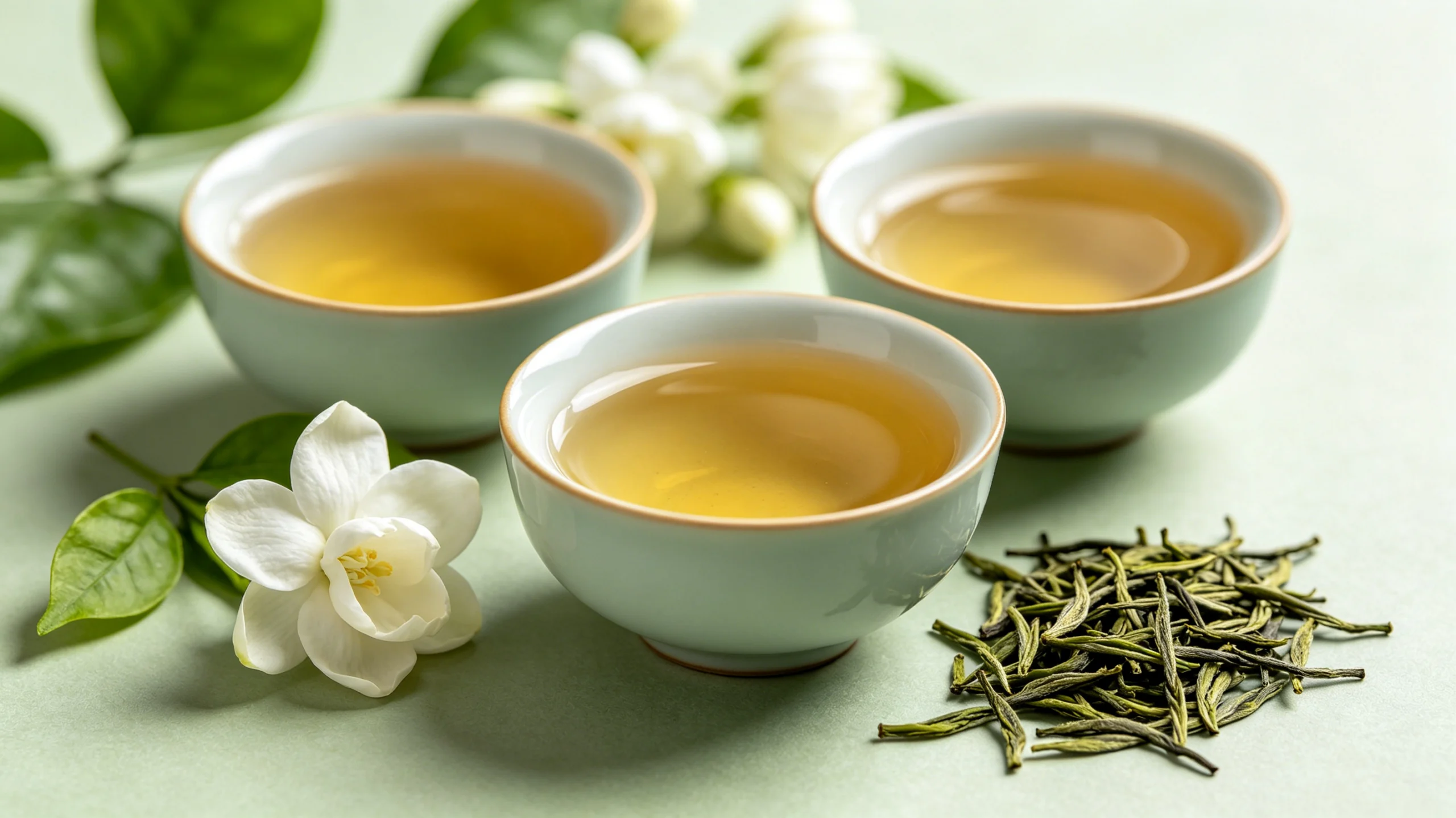
A blooming tea guide must balance the visual opening with water temperature, extraction, vessel size, and the taste of the base tea.
Blooming tea is a hand-tied bundle of tea leaves and flowers designed to open in hot water. The display is part of the experience, but the tea should still smell clean and taste balanced.
Choose a Clear, Spacious Vessel
Use a heat-safe glass teapot or large glass cup with enough height and width for the bundle to open. A cramped infuser defeats the purpose.
Water Temperature
Blooming tea often needs fairly hot water to open, but the exact temperature depends on the base tea. If the bundle uses delicate green tea, aggressively boiling water may make the drink bitter.
Basic Brewing Method
- Warm the glass vessel gently.
- Place one blooming tea bundle inside.
- Add hot water slowly.
- Watch the bundle open without stirring.
- Taste after several minutes.
- Pour tea away from the leaves when the flavor is ready.
If the Flower Does Not Open
- Vessel is too small.
- Water is not hot enough.
- Bundle is old or damaged.
- Water was poured too forcefully.
- The tie or leaves are unusually tight.
Can You Re-Steep Blooming Tea?
Many blooming teas can provide a second infusion, though the flavor may be lighter. Add fresh hot water before the leaves dry and taste rather than following a fixed time.
Serving and Food
Serve in clear cups if you want to continue the visual theme. Light fruit, plain biscuits, and mild pastries are less likely to cover delicate floral aroma.
Use a vessel from the tea ware collection and compare flower-based options in the flower tea collection.
Storage
Keep bundles dry, airtight, dark, and away from strong odors. Their visual shape can hide broken or stale leaf, so aroma remains an important quality check.
The Bundle May Need Gentle Repositioning
Some blooming teas open sideways or remain near the surface because air is trapped in the leaves. After the initial steep, a clean spoon can gently turn the bundle without pulling it apart. Avoid constant stirring, which clouds the liquor and damages the display.
If the flower repeatedly floats, use a taller vessel or pour water along the side. A successful opening depends on space and water movement as much as timing.
- Wait before touching the bundle.
- Move it once, gently.
- Do not force tied leaves apart.
The Flower Should Not Be the Only Value
A successful blooming tea opens clearly, stays intact, and produces a pleasant cup. Choose it as both teaware theater and a drink.
A Better Way to Use Blooming Tea Guide
A tall clear vessel displays the bundle, but the spout and lid still need to serve tea cleanly. If the flower remains in the hot water after the flavor is ready, the base tea may oversteep. Pour the liquor into cups or a pitcher while leaving the display visible.
Bundles vary in density and tie. Some open slowly or sideways. Gentle repositioning after the initial opening is acceptable; pulling the leaves apart destroys the intended shape.
A Practical Scenario
Use one bundle in a glass pot with enough width for the leaves. Taste at three minutes, then every minute. The ideal display time and ideal drinking time may not be identical.
Use a Second Session to Confirm the First
Test the complete workflow for blooming tea guide: prepare the water, measure the leaf, brew, pour, remove the leaves, handle drips, and clean the equipment. A setup that looks simple can fail at the moment an infuser has nowhere to rest or wet leaves cannot be discarded.
Build the first test around “Use heat-safe clear glass.” and “Leave space around the bundle..” Then remove any object or step that does not improve control, comfort, or cleanup. The best routine is not the most elaborate one; it is the one you can repeat without hesitation.
After several sessions, notice where attention is actually required. A timer may matter more than another cup, and a stable tray may matter more than decorative accessories. Spend effort on the point where the routine normally breaks down.
| Check | Evidence to keep |
|---|---|
| Use heat-safe clear glass. | Observe the result and record the next adjustment. |
| Leave space around the bundle. | Observe the result and record the next adjustment. |
| Match temperature to the base tea. | Observe the result and record the next adjustment. |
This verification step keeps blooming tea guide tied to a real result rather than a rule copied from another kitchen, product page, or tea table.
Avoid Turning a Useful Guide Into a Rigid Formula
Blooming Tea Guide should fit the equipment, time, storage, and attention available in ordinary life. A method that works only under ideal conditions may still be interesting, but it should not be presented as the only correct routine.
Use “Use heat-safe clear glass.” and “Leave space around the bundle.” to identify the non-negotiable requirements. Everything else can be simplified until the process is comfortable and repeatable.
- Keep: the parts of blooming tea guide that produce a repeatable improvement.
- Recheck: results that appeared only once or under unusual conditions.
- Adapt: vessel size, water, timing, and serving to the actual situation.
- Stop: when safety, contamination, or damaged equipment becomes the concern.
A Focused Checklist
- Use heat-safe clear glass.
- Leave space around the bundle.
- Match temperature to the base tea.
- Taste before the display is complete.
- Pour the liquor when flavor is ready.
Test the full workflow once before relying on it
Set up the equipment, brew, pour, remove the leaves, dispose of them, and clean everything. A practical method must work through cleanup, not only through the attractive moment of pouring.
Adjust the setup to the smallest number of pieces that solve the real problem.
Continue with Iced Tea Without Too Much Sugar: A Flavor-First Guide.
Quick Answers
Why is my blooming tea floating?
Trapped air, vessel shape, or a tight bundle can cause floating; pour along the side and wait before gently repositioning.
Can blooming tea be re-steeped?
Often yes, though the second infusion is usually lighter.
Should I cut the string?
No. The tie holds the designed shape together.
Make the Next Cup More Informative
The real value of blooming tea guide is a cup or decision that can be repeated, explained, and adjusted without guesswork.