

How to Choose Tea by Flavor: Floral, Roasted, Fruity, or Earthy
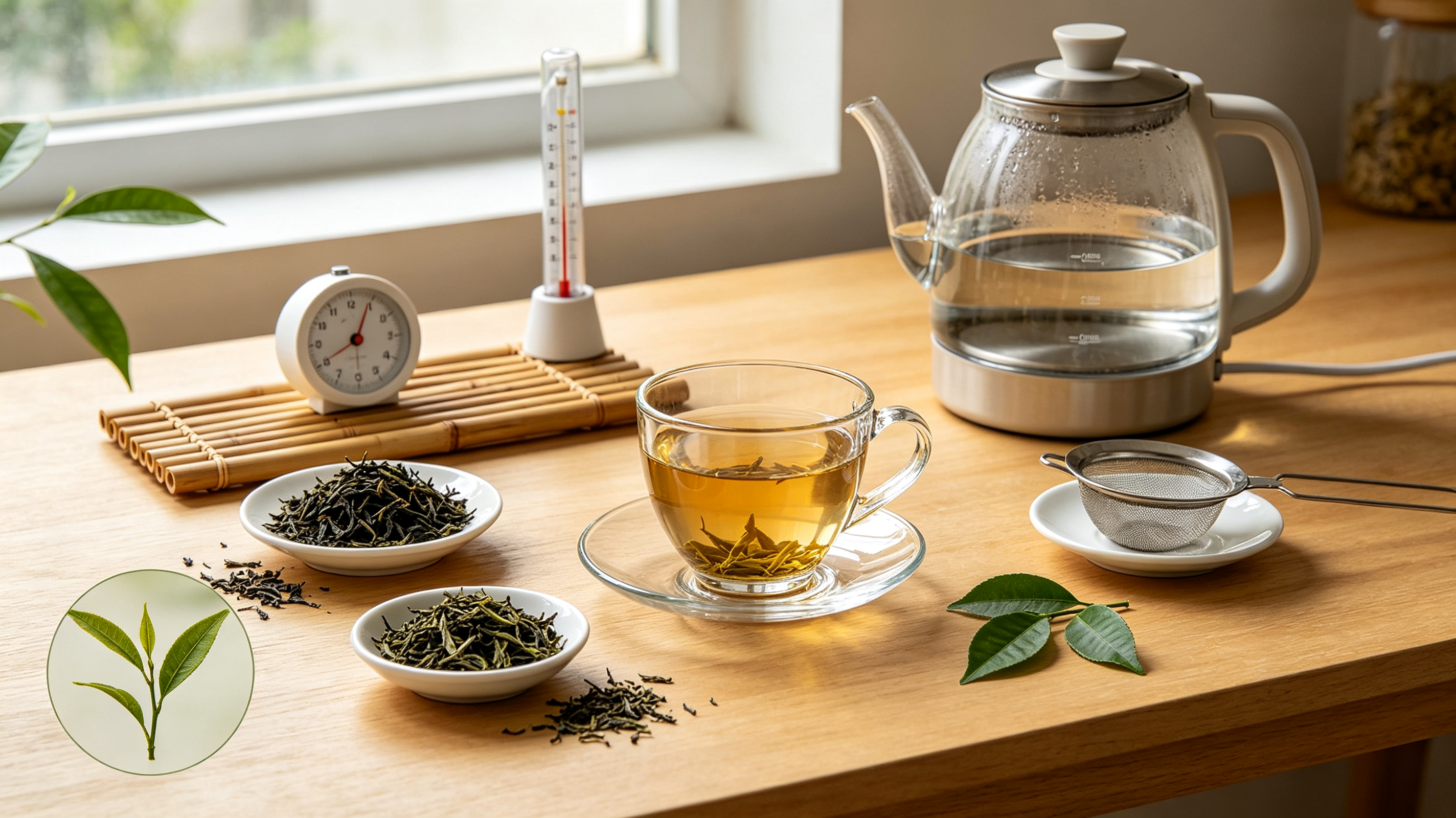
Learning how to choose tea by flavor makes personal taste more useful than buying by status, rarity, or unfamiliar terminology.
How to Choose Tea by Flavor: The Decision That Matters
Someone who enjoys toasted nuts and dark chocolate may begin with roasted oolong or malty black tea. Someone who prefers citrus, flowers, and fresh herbs may enjoy jasmine, light oolong, green tea, mint, or fruit blends.
Dislikes are equally useful. If perfume-like fragrance is unpleasant, start with plain unflavored tea. If smoky food is unwelcome, avoid strong smoke labels rather than rejecting black tea as a whole.
You do not need to know tea regions, cultivars, or grading abbreviations to choose a good first tea. Begin with flavors you already enjoy in food, coffee, chocolate, herbs, and fragrance.
If You Like Floral Aroma
Try jasmine green tea, light oolong, flower-scented tea, white tea, or blends with rose and other blossoms. Choose gentle brewing so fragrance remains clear.
If You Like Fruit
Look for naturally fruity black tea, aromatic oolong, fruit blends, citrus peel, lychee-style tea, peach, or berry infusions. Check whether the fruit character comes from leaf, ingredients, or added flavor.
A related practical guide is Why Iced Tea Turns Cloudy and How to Keep It Clear.
If You Like Toast and Nuts
Roasted oolong, pan-fired green tea, roasted grain blends, and some black teas can offer warm nutty character.
If You Like Fresh Green Flavors
Green tea can range from grassy and vegetal to sweet, marine, or nutty. Use cooler water to prevent bitterness from hiding freshness.
If You Like Deep Earthy Flavors
Ripe pu’er, aged-style teas, and roasted leaves can create wood, earth, forest, or dark sweetness. Earthy should not mean moldy or dirty.
If You Like Strong Breakfast Drinks
Choose malty, brisk black tea or a blend designed for milk. Use enough leaf for body but control the steep.
If You Want Caffeine-Free Refreshment
Mint, fruit, flowers, and many herbal infusions offer aroma without true tea. Read ingredients because some wellness blends contain caffeinated tea or mate.
A Flavor Map
| Preference | Tea directions |
|---|---|
| Floral | Jasmine, light oolong, white, flower tea |
| Fruity | Black tea, oolong, fruit blends |
| Roasted | Roasted oolong, pan-fired green, roasted herbs |
| Fresh | Green tea, mint, light white tea |
| Earthy | Ripe pu’er, aged or deep roasted tea |
| Bold | Black tea, strong oolong, pu’er |
Browse by preference across the loose leaf tea collection rather than buying only by a famous name.
Use Dislikes as Useful Information
Knowing what you do not enjoy can narrow choices quickly. If strong perfume is unpleasant, begin with plain tea rather than heavily scented blends. If green vegetables are not appealing, roasted oolong or black tea may be a more welcoming entry point.
Avoid treating one disappointing cup as a verdict on an entire category. Brewing errors and individual styles vary. Try a contrasting example before deciding that all green, black, or earthy tea is unsuitable.
- Name the specific disliked quality.
- Check whether brewing caused it.
- Try one contrasting style within the category.
Taste Is a Better Starting Point Than Status
Choose a direction, buy a small amount, and adjust the brewing. Your preferences can expand later; the first cup should invite curiosity, not prove expertise.
Turn the Guidance Into a Repeatable Method
Before spending more on how to choose tea by flavor, save the product page and identify which claims can be checked after delivery. Leaf appearance, package weight, ingredient list, seal quality, aroma, and brewing behavior are verifiable. Words such as rare, premium, reserve, or ancient need supporting detail.
Start with “Start from familiar flavors.” and “Name the quality you dislike..” A small first order creates room to learn the tea without turning one uncertain purchase into months of storage. Compare the delivered product with the photographs and description while the listing is still available.
Price should be evaluated per enjoyable serving, not only per gram. A dense tea that supports several infusions can behave differently from a bulky blend used once. Shipping, packaging, freshness, and the chance that the tea suits your routine all belong in the decision.
- Start from familiar flavors. Record what changed before moving to the next variable.
- Name the quality you dislike. Record what changed before moving to the next variable.
- Buy small samples. Record what changed before moving to the next variable.
- Check whether flavor is natural, scented, or added. Record what changed before moving to the next variable.
This verification step keeps how to choose tea by flavor tied to a real result rather than a rule copied from another kitchen, product page, or tea table.
The Limits of a One-Size-Fits-All Answer
No guide can declare one product or method universally best for how to choose tea by flavor. Budget, shipping, hand size, storage space, cleanup, serving size, and taste can legitimately change the decision. A transparent tradeoff is better than a false winner.
Use the question “What tea is best for coffee drinkers?” to define the choice more narrowly. If the answer depends on a specific tea or household routine, test a small quantity or borrowed tool before making a larger commitment.
- Keep: the parts of how to choose tea by flavor that produce a repeatable improvement.
- Recheck: results that appeared only once or under unusual conditions.
- Adapt: vessel size, water, timing, and serving to the actual situation.
- Stop: when safety, contamination, or damaged equipment becomes the concern.
Reduce risk before increasing order size
Begin with a small quantity, confirm the seller’s description, and test the tea in your normal water and teaware. A large discount is poor value when the product does not fit your routine.
Save the listing and photograph the delivered leaf. This makes it easier to compare the promise, the product, and any future reorder.
A Simple Experiment
Choose three small samples based on one flavor family: floral, roasted, or fruity. Brew them under appropriate conditions, then rank aroma, body, finish, and whether you would drink each in daily life.
Common Questions
What tea is best for coffee drinkers?
Roasted oolong, malty black tea, ripe pu’er, or deep cocoa-like styles can provide body and roast.
What tea is naturally floral?
Some oolongs, white teas, and black teas are naturally floral; jasmine tea is commonly scented with flowers.
Which tea is easiest for fruit lovers?
Fruit blends and naturally fruity black or oolong teas provide accessible starting points.
Before the Next Cup
- Start from familiar flavors.
- Name the quality you dislike.
- Buy small samples.
- Check whether flavor is natural, scented, or added.
- Try a contrasting style before rejecting a category.
Use the Idea Without Overcomplicating Tea
Used carefully, how to choose tea by flavor becomes practical knowledge rather than another label to memorize.
Useful next steps: flower tea collection.