

How Many Times Can You Re-Steep Tea? A Practical Guide
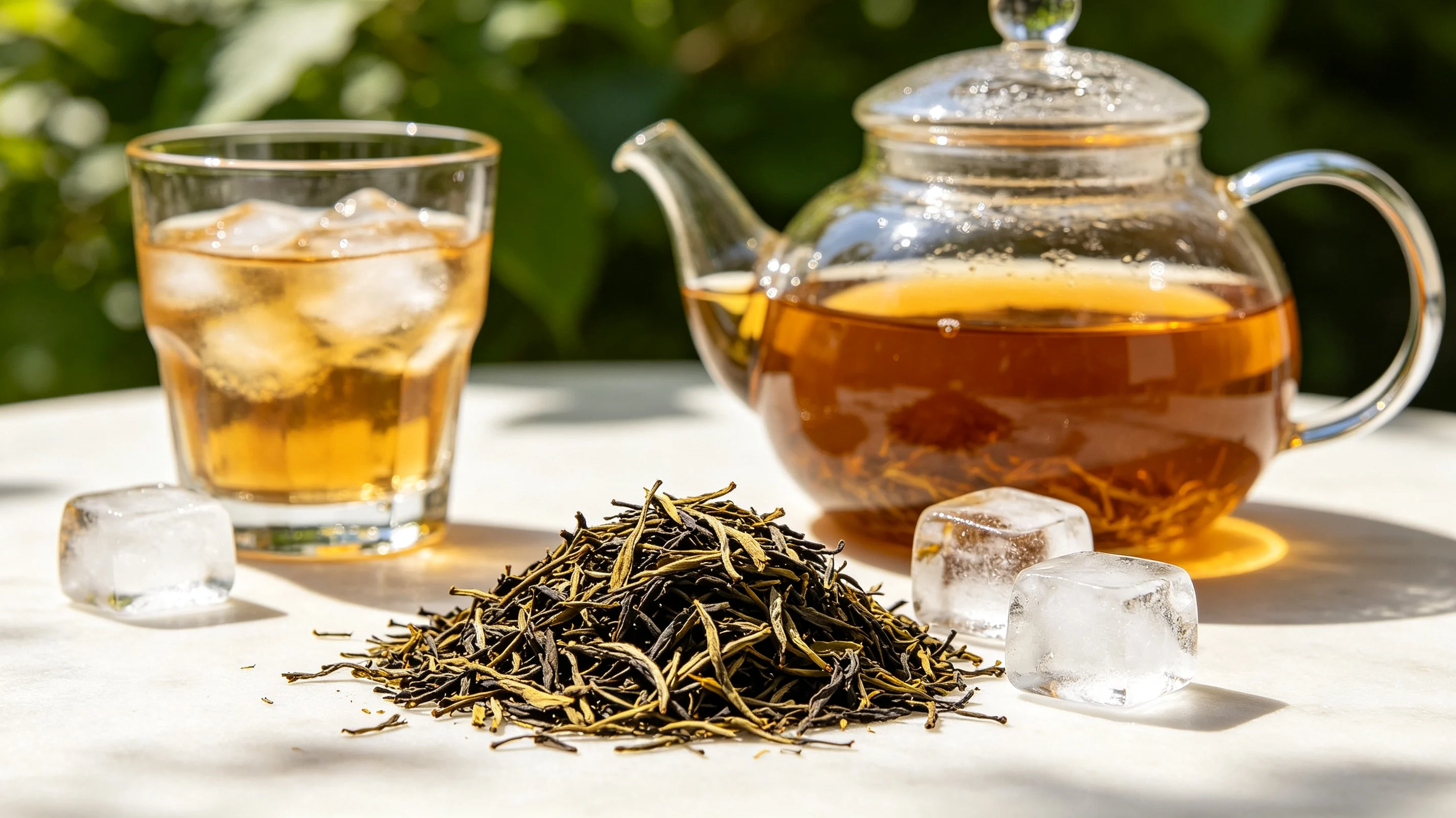
How many times can you re-steep tea depends on how the first brew was made and whether later cups still carry useful flavor.
How Many Times Can You Re-steep Tea: From Definition to Practice
Counting steeps without tasting turns a flexible practice into a contest. The second infusion may be sweeter than the first, while the fourth may retain aroma but lose body. Stop when the experience is no longer interesting, even if someone else reports a higher number.
Leaf condition also matters. Whole leaves that remain elastic and fragrant often have more to give. Fine broken leaves release quickly and may produce one strong cup followed by a weak repeat.
How many times you can re-steep tea depends on the leaf, processing, brewing ratio, and how much flavor was removed in the first infusion. Some tea gives one strong cup. Other leaves become more interesting over three, five, or more short steeps.
The useful question is not how many infusions are theoretically possible. It is how many remain enjoyable.
Teas That Often Re-Steep Well
- Oolong: rolled or twisted leaves often open gradually.
- Pu’er: many raw and ripe styles support repeated short infusions.
- White tea: larger leaves may become sweeter or fuller later.
- Whole-leaf green tea: often gives a softer second cup.
- Whole-leaf black tea: some larger-leaf styles produce a lighter second infusion.
Why the First Steep Matters
A long first steep can remove most available flavor and leave later cups flat. When you plan multiple infusions, use enough leaf, pour the tea out fully, and begin with a controlled steep.
How to Adjust Later Infusions
Use fresh water each time. Keep the second infusion similar in temperature and extend the time only if needed. Some tightly rolled teas may infuse faster once the leaves have opened, so tasting is more reliable than adding a fixed extra minute.
Signs the Leaves Are Finished
- Aroma has faded almost completely.
- The liquor remains watery even with a longer steep.
- Texture disappears.
- The wet leaves smell exhausted or only of warm water.
- Another infusion offers no pleasure beyond habit.
Western Mug vs Small-Vessel Brewing
A mug with a lower leaf ratio may give one full cup and one lighter repeat. A small vessel with more leaf and shorter steeps can produce several distinct infusions. Both are valid; they simply divide the flavor differently.
Use a roomy vessel from the tea ware collection and compare leaf types in the loose leaf tea collection.
Do Not Leave Wet Leaves All Day
If you plan to re-steep soon, drain the leaves well and keep the interval reasonable. Wet leaves left warm for many hours lose freshness and are not a good candidate for indefinite reuse.
Stop When Curiosity Ends
Multiple infusions are valuable because they reveal change, not because a tea must reach a target number. A satisfying second cup is better than a joyless seventh. Let aroma, body, and finish decide.
Record Enough Detail to Avoid Starting Over
Use how many times can you re-steep tea to make one prediction before brewing. Predict how quickly the leaves will open, how the aroma may develop, whether the tea might tolerate heat, or whether repeated infusions are likely. A technical term becomes useful only when it leads to something observable.
Check that prediction through the scenario described above and the first two review points: “Drain leaves completely between steeps.” and “Use fresh hot water each time..” If the cup contradicts the expectation, consider cultivar, roast, leaf size, storage, and brewing before rejecting the entire explanation.
Avoid turning one processing feature, season, grade, or origin claim into a complete quality score. Tea reaches the cup through several linked stages. The most reliable interpretation keeps the term narrow and lets aroma, taste, texture, and finish provide the final evidence.
| Check | Evidence to keep |
|---|---|
| Drain leaves completely between steeps. | Observe the result and record the next adjustment. |
| Use fresh hot water each time. | Observe the result and record the next adjustment. |
| Adjust time only after tasting. | Observe the result and record the next adjustment. |
This verification step keeps how many times can you re-steep tea tied to a real result rather than a rule copied from another kitchen, product page, or tea table.
Use Judgment After the Checklist Ends
How Many Times Can You Re-steep Tea provides a model, not a complete explanation of every tea. Cultivar, weather, processing skill, storage, water, and brewing can reinforce or contradict the expectation created by one term.
When the evidence is mixed, keep the label narrow. Use “Drain leaves completely between steeps.” and “Use fresh hot water each time.” to gather more context instead of expanding the claim until it explains everything.
- Keep: the parts of how many times can you re-steep tea that produce a repeatable improvement.
- Recheck: results that appeared only once or under unusual conditions.
- Adapt: vessel size, water, timing, and serving to the actual situation.
- Stop: when safety, contamination, or damaged equipment becomes the concern.
Turn the definition into a prediction you can test
A technical term matters when it helps predict leaf behavior, flavor, storage, or brewing. Use the definition to form a hypothesis, then check it in the cup.
Avoid treating one feature as a complete quality score. Tea is the combined result of raw material, processing, storage, water, and preparation.
A Real-World Test
With a rolled oolong, the first infusion may mainly open the leaf, the next two carry the strongest aroma, and later infusions become softer and mineral. A mug-sized Western brew may compress those stages into one full cup and one lighter second cup.
Continue with What Tea Liquor Color Can—and Cannot—Tell You.
Common Questions
How many times can you re-steep tea in a mug?
Many whole-leaf teas give one full cup and one lighter repeat, but the exact number varies.
Should every later infusion be longer?
Not always. Once rolled leaves open, an early repeat can infuse quickly; taste before extending automatically.
Can tea leaves be kept overnight?
For quality and safety, avoid leaving warm wet leaves for long periods. Brew again soon or start fresh.
Before the Next Cup
- Drain leaves completely between steeps.
- Use fresh hot water each time.
- Adjust time only after tasting.
- Keep wet leaves for a reasonable interval.
- Stop when aroma and texture are gone.
Use the Idea Without Overcomplicating Tea
Used carefully, how many times can you re-steep tea becomes practical knowledge rather than another label to memorize.