

How to Brew Loose Leaf Tea: A Practical Guide
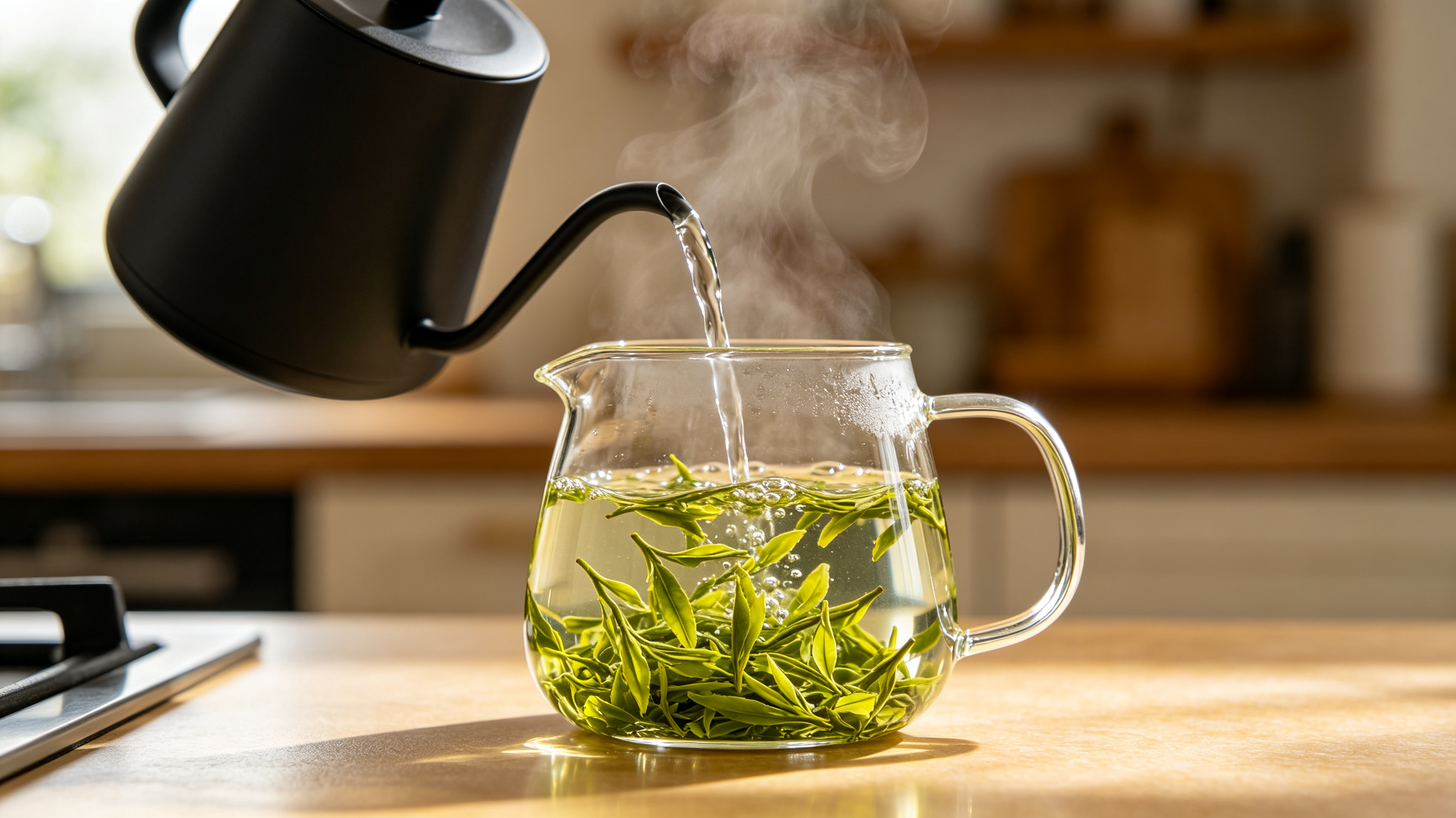
How to Brew Loose Leaf Tea: A Practical Guide
Making the switch from tea bags to whole leaves can feel intimidating. You might worry about needing complex equipment, getting the water temperature wrong, or ending up with a bitter cup. But learning exactly how to brew loose leaf tea is much simpler than it looks. It relies on a few basic principles: the right amount of tea, proper water temperature, and accurate steeping time. Once you understand these basics, you can easily pull the rich, complex flavors out of any tea leaf right in your own kitchen.
Choosing the Right Equipment
You do not need an elaborate traditional tea ceremony setup to enjoy a good cup. For daily brewing, the most important tool is something that gives the leaves enough room to expand. When hot water hits dried tea, the leaves unfurl. If they are cramped in a tiny mesh ball, water cannot circulate properly, and the flavor remains trapped.
A stainless steel basket infuser that rests on the rim of your mug is often the best choice for beginners. It provides plenty of space for expansion and is easy to clean. Alternatively, a simple glass teapot with a built-in strainer works perfectly if you are brewing for more than one person. French presses can also double as excellent tea makers in a pinch, provided you clean them thoroughly to remove any lingering coffee oils.
The Golden Ratio: How Much Loose Tea Per Cup?
The standard baseline for the loose leaf tea to water ratio is one teaspoon of dry leaves for every eight ounces of water. However, this is just a starting point. Teas vary wildly in volume and density. A tightly rolled oolong is dense and heavy, so a single teaspoon is plenty. A fluffy, large-leaf white tea is highly voluminous, meaning you might need two full tablespoons to get the same weight and flavor intensity.
When you invest in premium loose leaf tea, taking a moment to visually assess the leaves helps you get the most out of your purchase. If the leaves are large and bulky, use a bit more. If they are compact and dense, stick to the standard teaspoon. Over time, you will develop an intuitive sense for how much tea yields your preferred strength.
Water Temperature and Steeping Times
Water temperature is the most critical factor in brewing. Boiling water (212°F or 100°C) is perfect for some teas but will instantly scorch others, pulling out harsh, bitter tannins and destroying delicate aromatic notes. Here is a practical breakdown by tea type.
Green and White Teas
These delicate leaves require cooler water. Aim for water between 160°F and 175°F (70°C to 80°C). If you do not have a temperature-control kettle, simply bring water to a boil and let it sit off the heat for about five to eight minutes before pouring. Steep green and white teas for 2 to 3 minutes. Any longer, and the brew will likely turn astringent.
Oolong Teas
Oolongs fall between green and black teas in terms of oxidation. They generally prefer water around 185°F to 195°F (85°C to 90°C). Steep them for 3 to 4 minutes. High-quality oolongs are famous for their ability to be re-steeped multiple times, with the flavor profile subtly shifting with each infusion.
Black and Pu-erh Teas
These robust teas can handle the heat. Use water right off the boil at 205°F to 212°F (95°C to 100°C). Black tea typically needs 3 to 5 minutes to fully develop its deep, malty flavors. Pu-erh teas can be steeped for 4 to 5 minutes, though many experienced drinkers prefer to rinse pu-erh with a quick splash of boiling water first to awaken the leaves before the actual steeping begins.
Common Mistakes to Avoid
The most frequent mistake new tea drinkers make is over-steeping. Leaving the leaves in the water for ten minutes does not make the tea “stronger” in a pleasant way; it makes it aggressively bitter. If you want a stronger flavor, use more tea leaves rather than increasing the steeping time.
Water quality also matters immensely. Since tea is 99% water, heavily chlorinated tap water will mute the subtle notes of a high-quality leaf. Use filtered or spring water whenever possible. Avoid distilled water, as it lacks the natural minerals needed to extract the flavor compounds from the tea.
FAQ
How many times can you steep loose leaf tea?
Most high-quality whole leaf teas can be steeped at least two to three times. Oolongs and pu-erhs are particularly resilient and can often be steeped five times or more. Simply add about 30 to 60 seconds to your steeping time for each subsequent infusion.
Do I need a special teapot for loose tea?
No, a special teapot is not strictly necessary. While a dedicated pot is nice, a wide stainless steel basket infuser placed directly into your favorite mug works incredibly well and is often easier to manage for single servings.
Why is my loose leaf tea bitter?
Bitterness is usually caused by two factors: using water that is too hot, or leaving the leaves in the water for too long. Try lowering your water temperature and reducing the steeping time. If the tea is too weak after doing this, increase the amount of dry leaves instead of the time.
Brewing loose leaf tea is a simple, rewarding ritual that drastically improves the quality of what you drink. By paying attention to leaf volume, water temperature, and time, you easily bypass the common pitfalls of bitterness and weak flavor. Start with a basic infuser, experiment with a few different tea types, and adjust the parameters to suit your personal taste. The perfect cup is entirely within your control.
