

how to make iced tea with loose leaf
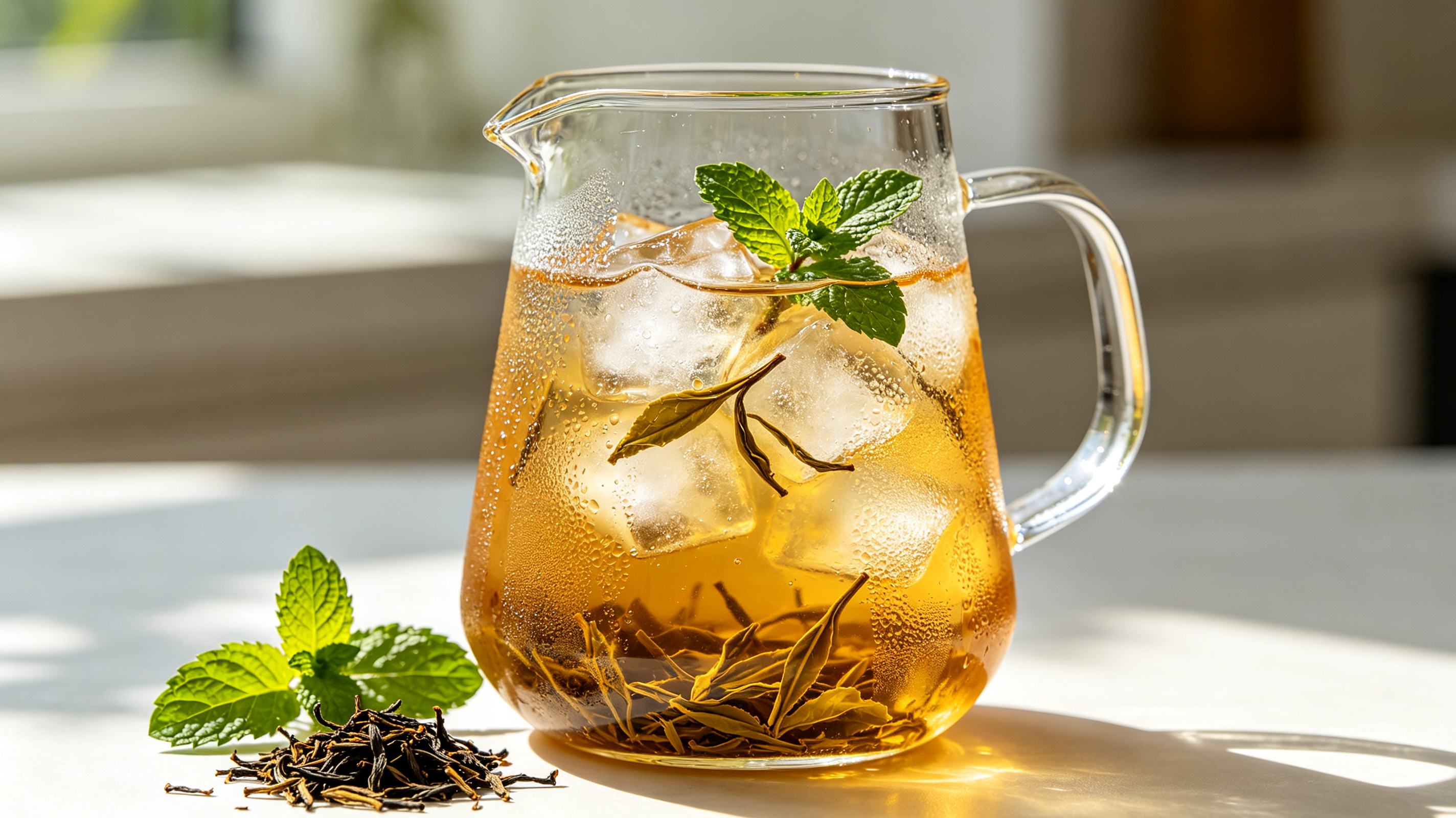
How to Make Iced Tea with Loose Leaf: The Ultimate Brewing Guide
There is a distinct difference between the iced tea you get from a plastic jug at the grocery store and a glass of iced tea crafted at home from whole, unbroken leaves. The former is often a one-dimensional, overly sweet, and sometimes bitter beverage. The latter is a revelation—a complex, aromatic, and naturally sweet elixir that captures the true essence of the tea plant. If you’ve been searching for the definitive guide on how to make iced tea with loose leaf, you are about to embark on a journey that will forever change your summer hydration ritual. This isn’t just a recipe; it’s a masterclass in unlocking the full potential of premium tea.
Making exceptional iced tea with loose leaf is an art form, but it is an accessible one. It requires understanding the fundamental differences between brewing methods, respecting the unique characteristics of different tea types, and mastering a few simple techniques to guarantee a crystal-clear, perfectly balanced glass every single time. Whether you are a seasoned tea connoisseur or a curious beginner, this comprehensive guide will provide you with the knowledge and confidence to create iced tea that rivals the best cafes and tea houses. And as we’ll explore, starting with a superior product from a brand like Teazenway is the most critical first step.
The Foundation: Why Loose Leaf is Non-Negotiable for Iced Tea
Before we even boil water or fill a pitcher, we must address the most important question: why use loose leaf? The answer lies in the physical structure of the tea and the chemistry of extraction. Tea bags are typically filled with “fannings” and “dust,” the broken remnants of tea processing. These tiny particles have a massive surface area, which causes them to release their compounds rapidly. Unfortunately, this rapid extraction pulls out a high concentration of tannins and caffeine, resulting in a harsh, bitter, and astringent cup. When this concentrate is poured over ice, the dilution does little to improve the underlying bitterness.
Loose leaf tea, especially the high-quality whole-leaf varieties offered by Teazenway, is a completely different experience. The intact leaves unfurl slowly in water, releasing their flavors in a gradual, controlled manner. This gentle extraction pulls out the delicate essential oils, complex flavor compounds, and natural sugars, while leaving behind the harsh tannins that cause bitterness. The result is an iced tea that is inherently smooth, sweet, and multi-layered. Because the leaves are whole, they can also be steeped multiple times, making your premium tea even more economical and sustainable.
The Gold Standard: Mastering the Cold Brew Method
When tea experts are asked how to make iced tea with loose leaf, the overwhelming answer is the cold brew method. This technique is not just a trend; it is a scientifically superior way to extract flavor. Cold brewing uses time instead of heat to coax out the tea’s best qualities. Because heat is a catalyst for extracting tannins and caffeine, cold water produces a brew that is significantly smoother, sweeter, and less caffeinated than its hot-brewed counterpart.
The Perfect Cold Brew Ratio: The golden ratio for cold brewing is approximately 1 gram of tea for every 100 milliliters of water. In more practical terms, this translates to about 1 heaping teaspoon of loose leaf tea per 8 ounces (one cup) of cold, filtered water. For a standard 1.5-quart pitcher, you would use roughly 6 to 8 teaspoons of tea.
Step-by-Step Cold Brew Instructions:
1. Measure and Combine: Place your loose leaf tea directly into a large glass pitcher or a dedicated cold brew maker. Pour in cold, filtered water. Using filtered water is crucial, as tap water can contain chlorine and other minerals that interfere with the tea’s delicate flavor.
2. Steep with Patience: Cover the pitcher and place it in the refrigerator. This is where the magic happens. The steeping time varies by tea type: green and white teas require 6-8 hours, while black and oolong teas need 8-12 hours. Herbal teas can steep for up to 24 hours.
3. Strain and Serve: After the steeping time, strain the tea leaves from the liquid. Your iced tea is now ready to be served over fresh ice. For the best flavor, consume it within 2-3 days.
The cold brew method is incredibly forgiving. It is nearly impossible to over-steep and ruin the tea, making it the perfect choice for beginners and busy individuals who want to prepare a batch at night and wake up to a perfect pitcher of iced tea.
The Quick Fix: The Hot Brew Concentrate & Flash Chill
While cold brewing is the gold standard, sometimes you want a glass of iced tea immediately. This is where the hot brew concentrate method shines. The key to this technique is understanding that ice will dilute your tea. Therefore, you must brew a concentrate that is twice as strong as you would for a hot cup of tea.
The Hot Brew Ratio: Use 2 teaspoons of loose leaf tea per 8 ounces of hot water. This creates a potent concentrate that will be perfectly balanced once diluted with ice.
Step-by-Step Hot Brew Instructions:
1. Heat Your Water: Bring fresh, filtered water to the appropriate temperature for your tea. Green and white teas require lower temperatures (175°F-185°F), while black and oolong teas need near-boiling water (200°F-212°F).
2. Steep the Concentrate: Pour the hot water over the tea leaves in a heat-proof pitcher or teapot. Steep for the recommended time, usually 3-5 minutes for black tea and 2-3 minutes for green tea.
3. Strain and Flash Chill: Strain the hot concentrate directly into a serving glass or pitcher filled with ice. This “flash chilling” technique instantly cools the tea, locking in the fresh flavors and preventing the cloudiness that can occur when hot tea is slowly cooled in the refrigerator.
This method is ideal for when you need instant gratification. It produces a brighter, more robust cup of iced tea with a pleasant, subtle astringency that many tea lovers enjoy.
Troubleshooting: Why Is My Iced Tea Cloudy or Bitter?
Even with the best intentions, homemade iced tea can sometimes turn out cloudy or bitter. Understanding the science behind these issues is key to preventing them.
The Mystery of Cloudiness: Cloudiness, often called “creaming down,” is a natural phenomenon that occurs when the caffeine and polyphenols (antioxidants) in the tea bind together as the tea cools. This is actually a sign of a high-quality tea with a rich antioxidant profile! To prevent it, you can use the flash chill method mentioned above, or simply let your hot-brewed tea cool to room temperature before refrigerating it. If your tea does become cloudy, simply add a small amount of warm water and stir; it will clear right up.
Battling Bitterness: Bitterness is almost always caused by over-steeping or using water that is too hot, especially for delicate green and white teas. These teas are best brewed at lower temperatures and for shorter times. If you are using the hot brew method, be meticulous with your timing. For cold brew, bitterness is rare, but if it occurs, your steeping time may have been excessively long.
Choosing the Perfect Tea: Teazenway’s Iced Tea Collection
The quality of your iced tea is only as good as the tea you start with. This is where Teazenway truly excels. Their commitment to whole-leaf integrity and direct sourcing means you are starting with a superior product. But which teas are best for iced tea?
Black Teas: The classic choice. Teazenway’s robust black tea blends have a malty depth and high tannin content that stands up beautifully to ice and dilution. They are perfect for traditional Southern-style sweet tea or for adding lemon and mint.
Green Teas: The cold brew method was practically invented for green tea. Teazenway’s premium green teas, when cold brewed, lose their grassy astringency and reveal stunning notes of sweet peas, chestnuts, and fresh spring vegetables. It is a refreshing, light, and incredibly healthy choice.
Oolong Teas: A connoisseur’s delight. Teazenway’s oolongs, with their complex floral and fruity notes, make for a sophisticated iced tea. Cold brewing an oolong is like creating a delicate, non-alcoholic cocktail. The flavors are nuanced, smooth, and deeply satisfying.
Herbal & Wellness Blends: For a caffeine-free option, Teazenway’s herbal blends are fantastic. Hibiscus, mint, and fruit-based blends cold brew into vibrant, naturally sweet, and colorful beverages that are perfect for children and adults alike.
When you explore Teazenway’s curated iced tea collection, you are not just buying tea; you are investing in a superior drinking experience. Their transparent sourcing and detailed brewing guides ensure that you have all the information you need to create the perfect glass.
Elevating Your Iced Tea: Garnishes and Sweeteners
Once you have mastered the base, the fun begins. High-quality iced tea from whole leaves is so flavorful that it often needs no additions. However, if you wish to enhance it, do so with care.
Sweeteners: Avoid granulated sugar, which does not dissolve well in cold liquid. Instead, make a simple syrup by dissolving equal parts sugar and hot water. For a healthier alternative, agave nectar, honey, or maple syrup blend easily into cold tea. Remember, a great iced tea should be subtly sweet on its own; use sweeteners sparingly.
Garnishes: Fresh herbs and fruits can transform your iced tea. A sprig of mint, a slice of lemon or cucumber, or a few fresh berries can add a beautiful aroma and a pop of color. Muddle the herbs gently in the bottom of the glass before adding ice and tea to release their essential oils.
FAQ
How to make iced tea with loose leaf?
The best method is cold brewing. Combine 1 heaping teaspoon of loose leaf tea per cup of cold, filtered water in a pitcher. Steep in the refrigerator for 8-12 hours, then strain and serve over ice. For a quick version, brew a double-strength hot concentrate and flash chill it over ice.
What is the best loose leaf tea for iced tea?
Black teas are the classic choice for a robust flavor, while green and oolong teas shine when cold brewed, producing a smooth, naturally sweet, and complex iced tea. Teazenway offers exceptional whole-leaf options for every style.
How long should you cold brew loose leaf tea?
Steeping times vary: green and white teas need 6-8 hours, black and oolong teas require 8-12 hours, and herbal teas can steep for up to 24 hours. Always steep in the refrigerator.
Why does my homemade iced tea get cloudy?
Cloudiness is caused by caffeine and polyphenols binding as the tea cools. It’s a sign of high-quality tea! Prevent it by flash chilling hot tea or letting it cool to room temperature before refrigerating. If it clouds, add a splash of warm water to clear it.
Can you make iced tea with green tea?
Absolutely! Green tea is perfect for iced tea, especially when cold brewed. The cold water prevents the release of bitter tannins, resulting in a smooth, sweet, and refreshing beverage that highlights the tea’s delicate vegetal and floral notes.
Learning how to make iced tea with loose leaf is a transformative experience for any beverage enthusiast. It moves you beyond the realm of mass-produced, sugary drinks and into a world of natural flavor, aromatic complexity, and mindful consumption. Whether you choose the patient, rewarding path of cold brewing or the immediate satisfaction of the flash chill method, the principles remain the same: respect the leaf, control the variables, and start with quality.
By choosing a brand like Teazenway, you are ensuring that every step of the process is built on a foundation of excellence. Their whole-leaf teas are crafted to perform beautifully in iced tea applications, delivering a glass that is not just a drink, but a moment of pure, refreshing pleasure. So, grab a pitcher, select your favorite Teazenway blend, and begin your journey to crafting the perfect iced tea. Your taste buds will thank you.