

How to Serve Tea to Guests Without Overcomplicating It
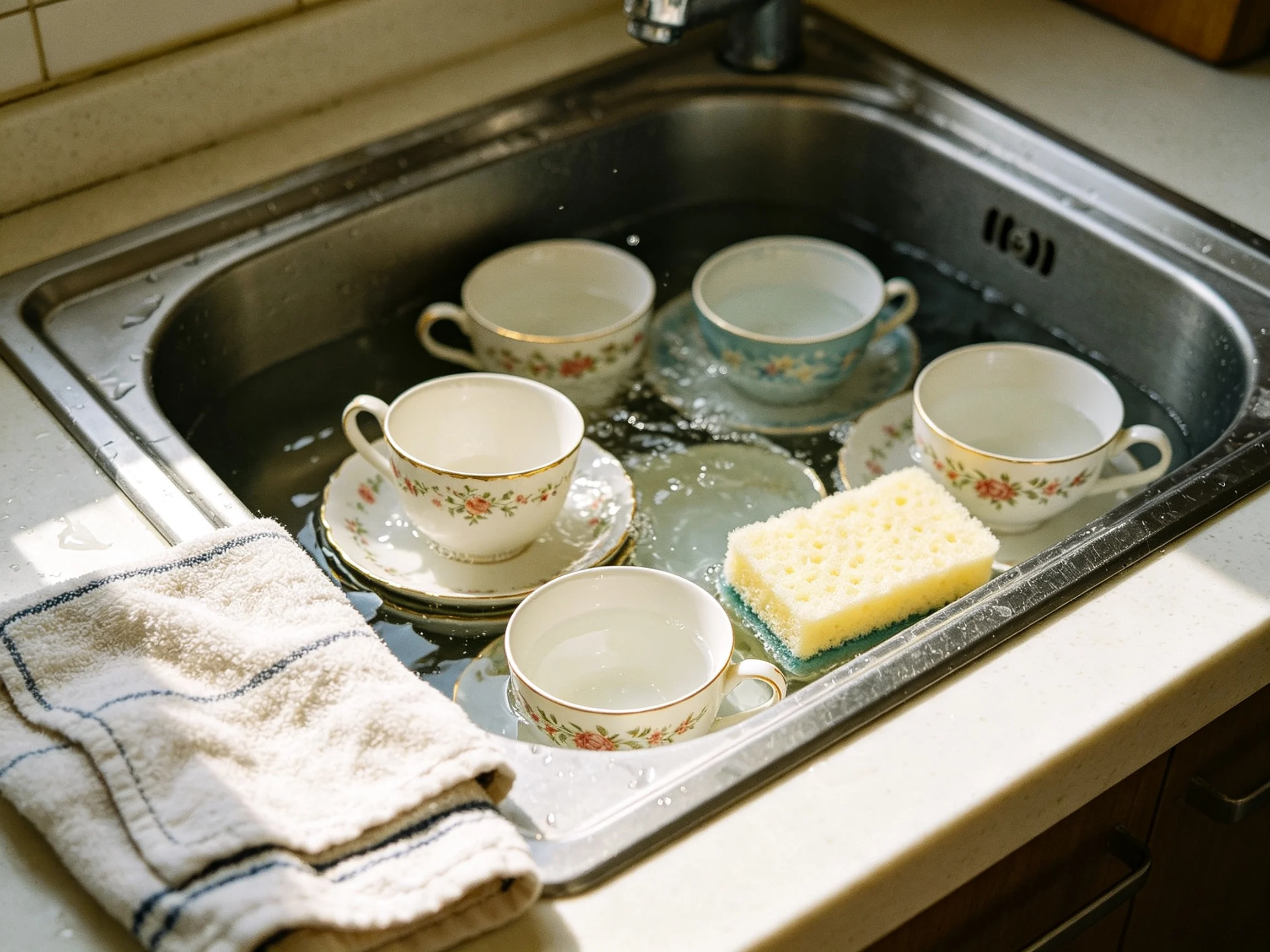
Learning how to serve tea to guests is mainly about clear choices, timing, ingredient awareness, and relaxed hospitality.
Serving tea to guests is successful when people feel considered. The tea can be simple. What matters is that it is fresh, served at a comfortable temperature, and offered with enough information for guests to choose.
Offer Two Clear Choices
One true tea and one caffeine-free infusion are usually enough. For example, offer black or oolong tea alongside mint, flower, fruit, or herbal tea. Too many choices slow the gathering.
Ask About Preferences
- Caffeine or caffeine-free.
- Plain, milk, or lemon.
- Floral, fruity, roasted, or classic.
- Hot or iced.
- Allergies and ingredient restrictions.
Prepare the Table
Set out cups, a stable pot or pitcher, napkins, and a place for used infusers. Keep milk and lemon separate because combining them can curdle milk.
A related practical guide is Afternoon Tea vs High Tea: The Difference Without the Confusion.
Brew for the Vessel
Measure the full pot rather than adding one spoon by habit. Use a timer and separate the leaves when ready. A fairness pitcher helps when serving several small cups.
Serve Food That Does Not Overwhelm
Plain biscuits, fruit, nuts, simple sandwiches, and lightly sweet pastries work with many teas. Strong garlic, perfume, and scented candles can interfere with aroma.
Explain Without Lecturing
A short sentence is enough: this is a roasted oolong with a warm nutty aroma, or this is a caffeine-free mint infusion. Let guests ask for more.
Choose serving pieces from the tea ware collection and tea from the loose leaf tea collection.
Keep Hot Water Available
Some guests will want a lighter cup or a second infusion. A separate kettle or pitcher of hot water makes adjustment easy.
Make Refills Easy to Understand
Tell guests whether the pot contains a second infusion, a new tea, or hot water for dilution. This small explanation prevents someone from expecting the same strength and finding a lighter cup confusing.
If people are serving themselves, place the infuser or tea leaves away from the finished pot so extraction does not continue unnoticed. Label milk and caffeine-free options clearly.
- Separate brewed tea from leaves.
- Keep a small card with tea name.
- Provide a place for used spoons and lemon slices.
Hospitality Is the Main Ritual
A relaxed host, clean cups, and well-timed tea matter more than performing every traditional step. Serve the people in the room, not an imaginary judge.
Working With How to Serve Tea to Guests in Real Life
Two choices are often enough: one approachable true tea and one clearly caffeine-free infusion. Ask about milk, lemon, allergies, and strong flavor preferences before brewing a large pot.
Prepare a second kettle or pitcher of hot water. Guests can dilute a strong cup, request another infusion, or switch to the caffeine-free option without forcing the host to restart everything.
A Simple Experiment
Serve a medium black tea and a mint or fruit infusion with simple biscuits. Explain each in one sentence, then let the guests decide whether they want more detail.
Where Personal Preference Enters the Decision
Rehearse how to serve tea to guests from the guest’s point of view. They need a comfortable cup, a clear choice, an understandable description, and a place to set things down. The host needs a path for hot water, finished leaves, spills, food, and refills.
Use “Offer caffeinated and caffeine-free choices.” and “Ask about ingredients and allergies.” to remove the most likely sources of delay. Prepare measured tea before guests arrive and keep an extra pitcher of water available for dilution or another infusion.
The service should become less visible as conversation begins. A good host does not keep guests waiting while explaining every object. Share one useful sentence about the tea, answer questions when invited, and let hospitality remain the main event.
- Offer caffeinated and caffeine-free choices. Record what changed before moving to the next variable.
- Ask about ingredients and allergies. Record what changed before moving to the next variable.
- Use a timer and separate leaves. Record what changed before moving to the next variable.
- Keep milk and lemon apart. Record what changed before moving to the next variable.
This verification step keeps how to serve tea to guests tied to a real result rather than a rule copied from another kitchen, product page, or tea table.
Keep Context Beside the Recommendation
How to Serve Tea to Guests changes with portion size, serving temperature, guest preference, food, and the pace of the event. A combination that fails in one format may work when the tea is lighter, the food portion is smaller, or the order changes.
Treat “Offer caffeinated and caffeine-free choices.” as the starting condition, not a performance requirement. Comfort and clarity matter more than reproducing a formal service or expert tasting vocabulary.
- Keep: the parts of how to serve tea to guests that produce a repeatable improvement.
- Recheck: results that appeared only once or under unusual conditions.
- Adapt: vessel size, water, timing, and serving to the actual situation.
- Stop: when safety, contamination, or damaged equipment becomes the concern.
A Focused Checklist
- Offer caffeinated and caffeine-free choices.
- Ask about ingredients and allergies.
- Use a timer and separate leaves.
- Keep milk and lemon apart.
- Have extra hot water ready.
Rehearse the service path before guests arrive
Know where hot water, wet leaves, empty cups, food, and waste will go. A calm service depends on flow more than on expensive matching pieces.
Offer enough explanation to make the tea approachable, then return attention to the people at the table.
Questions Readers Often Ask
How many teas should be offered to guests?
One true tea and one caffeine-free option are enough for many gatherings.
Should tea be poured for everyone at once?
Yes when practical, especially if a pitcher helps keep strength even.
What food is safest with tea?
Simple biscuits, fruit, nuts, sandwiches, and mild pastries work across many styles.
Make the Next Cup More Informative
The real value of how to serve tea to guests is a cup or decision that can be repeated, explained, and adjusted without guesswork.