

Travel Tea Kit: What to Pack and What to Leave at Home
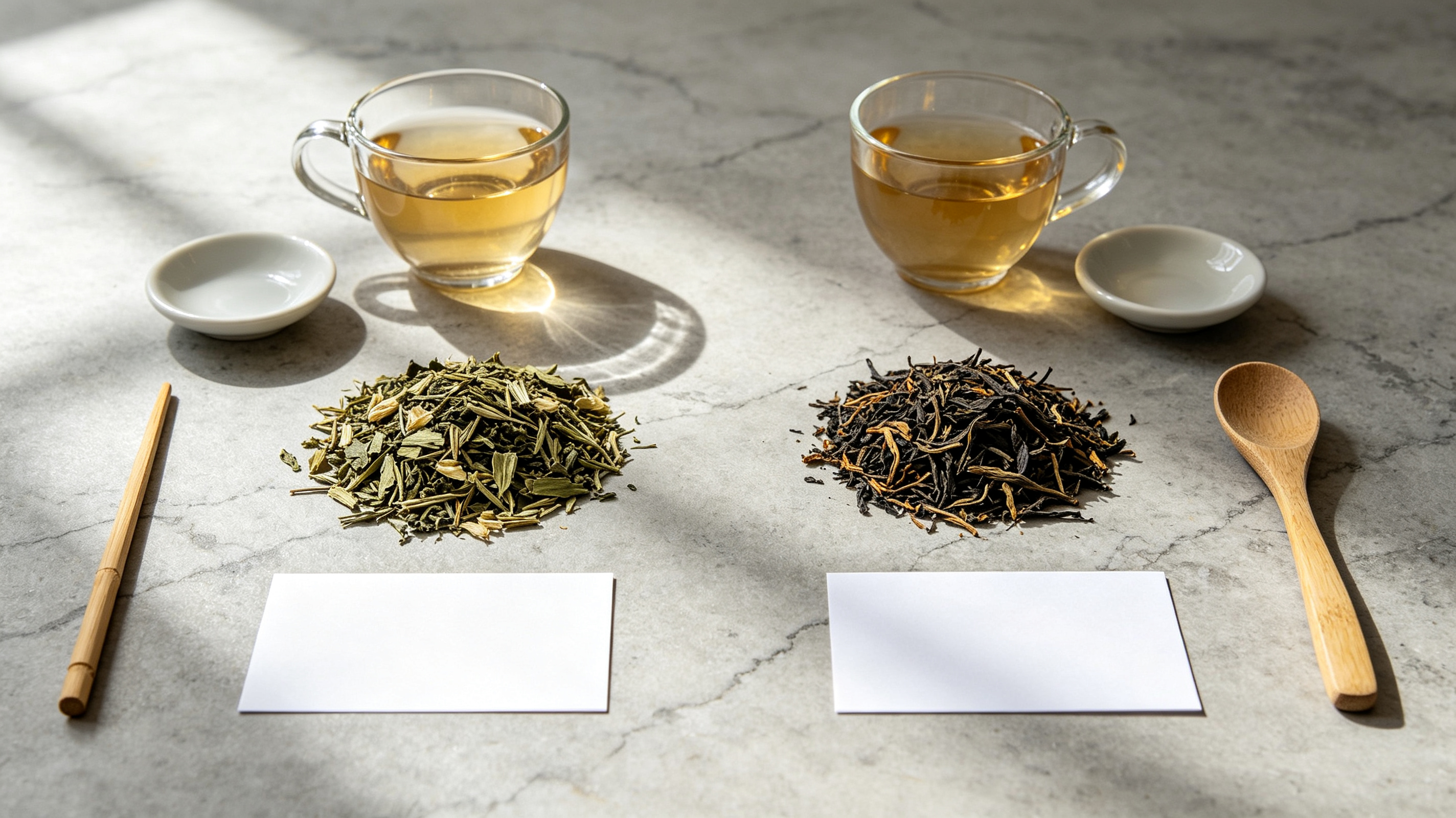
A travel tea kit should prioritize reliability, labeling, cleanup, safe water, and low worry rather than carrying a complete tea room.
A travel tea kit should make one good cup with minimal weight and cleanup. The best kit depends on whether you are driving, flying, staying in hotels, camping, or visiting family.
A Compact Core Kit
- Durable mug or bottle.
- Basket infuser or disposable paper filters.
- Small sealed tea portions.
- Tea towel or zip pouch.
- Spoon.
- Empty container for wet leaves.
Choose Tea That Travels Well
Black tea, roasted oolong, pu’er portions, mint, and fruit tea are practical. Very fragile leaves and strongly scented teas need better protection. Pack each tea in a small airtight pouch.
Hotel Kettle Caution
Inspect and rinse the kettle before use. If it smells of food, detergent, or old water, use another heat-safe method or bottled hot water where available. Never place tea leaves directly inside a shared kettle.
Flying With Tea
Keep dry tea clearly packed and labeled. Rules vary by destination, especially for plant material and agricultural products, so check customs requirements before travel. Avoid carrying unsealed mystery herbs across borders.
Water on the Road
Local water can change the cup. Use safe drinking water that tastes neutral. A familiar tea is helpful because it reveals whether the water or brewing method is different.
Cleanup
Paper filters simplify travel but create waste. Reusable infusers need thorough drying. Carry a small leak-resistant container when you cannot dispose of wet leaves immediately.
For tool choices, see the infuser comparison and browse compact options in the tea ware collection.
What to Leave at Home
- Fragile collector cups.
- Large tea trays.
- Too many tea choices.
- Unlabeled botanical blends.
- Anything difficult to clean.
- An expensive pot you will worry about more than use.
Pack Each Brewing Session Separately
Pre-measured tea portions reduce mess and protect the main supply from repeated opening. Small labeled pouches also make it easier to choose tea without carrying a scale or large tin.
Include one extra portion for delays or a shared cup, but avoid packing a full collection. A travel kit becomes less useful when finding the right bag takes longer than brewing.
- Label tea name and approximate water volume.
- Keep scented tea in a separate pouch.
- Protect brittle leaves from crushing.
Pack for One Reliable Ritual
Travel tea should create familiarity, not luggage stress. One cup, one brewing tool, and two teas are often enough.
Continue with Tea for the Office: A Simple Loose Leaf Setup That Works.
Travel Tea Kit: The Decision That Matters
A kit that works on a calm hotel desk may fail in an airport, train, or shared kitchen. Choose pieces that can be sealed while damp, survive impact, and brew with an unknown hot-water source.
Border rules for plant material vary. Clearly labeled commercial tea is easier to explain than loose unmarked herbs. Check destination requirements before carrying botanical blends internationally.
Use This Before You Decide
- Match the kit to transport and lodging.
- Use clearly labeled sealed tea.
- Protect fragile pieces.
- Plan for wet leaves.
- Check customs rules before crossing borders.
Turn the Guidance Into a Repeatable Method
Test the complete workflow for travel tea kit: prepare the water, measure the leaf, brew, pour, remove the leaves, handle drips, and clean the equipment. A setup that looks simple can fail at the moment an infuser has nowhere to rest or wet leaves cannot be discarded.
Build the first test around “Match the kit to transport and lodging.” and “Use clearly labeled sealed tea..” Then remove any object or step that does not improve control, comfort, or cleanup. The best routine is not the most elaborate one; it is the one you can repeat without hesitation.
After several sessions, notice where attention is actually required. A timer may matter more than another cup, and a stable tray may matter more than decorative accessories. Spend effort on the point where the routine normally breaks down.
| Check | Evidence to keep |
|---|---|
| Match the kit to transport and lodging. | Observe the result and record the next adjustment. |
| Use clearly labeled sealed tea. | Observe the result and record the next adjustment. |
| Protect fragile pieces. | Observe the result and record the next adjustment. |
This verification step keeps travel tea kit tied to a real result rather than a rule copied from another kitchen, product page, or tea table.
The Limits of a One-Size-Fits-All Answer
Travel Tea Kit should fit the equipment, time, storage, and attention available in ordinary life. A method that works only under ideal conditions may still be interesting, but it should not be presented as the only correct routine.
Use “Match the kit to transport and lodging.” and “Use clearly labeled sealed tea.” to identify the non-negotiable requirements. Everything else can be simplified until the process is comfortable and repeatable.
- Keep: the parts of travel tea kit that produce a repeatable improvement.
- Recheck: results that appeared only once or under unusual conditions.
- Adapt: vessel size, water, timing, and serving to the actual situation.
- Stop: when safety, contamination, or damaged equipment becomes the concern.
A Practical Scenario
For air travel, pack two sealed tea portions, paper filters, a durable cup, and a small waste pouch. For a road trip, add a thermos and reusable basket because cleanup is easier.
Test the full workflow once before relying on it
Set up the equipment, brew, pour, remove the leaves, dispose of them, and clean everything. A practical method must work through cleanup, not only through the attractive moment of pouring.
Adjust the setup to the smallest number of pieces that solve the real problem.
Turn Information Into a Better Routine
When travel tea kit leads to better control and fewer assumptions, the topic has served its purpose.
A Small Step That Improves Reliability
Before treating travel tea kit as settled, repeat the method with the same tea and change only one condition that matters to the article. Use “Match the kit to transport and lodging.” as the baseline and “Protect fragile pieces.” as the deliberate change. Write down whether aroma, taste, texture, convenience, or cleanup improved.
This final repeat protects against conclusions caused by a rushed session, unfamiliar water, an unusual cup, or a product that does not represent the wider category. When the result remains useful twice, keep the method. When it does not, preserve both records and narrow the claim rather than forcing a universal rule.