

Tea for the Office: A Simple Loose Leaf Setup That Works
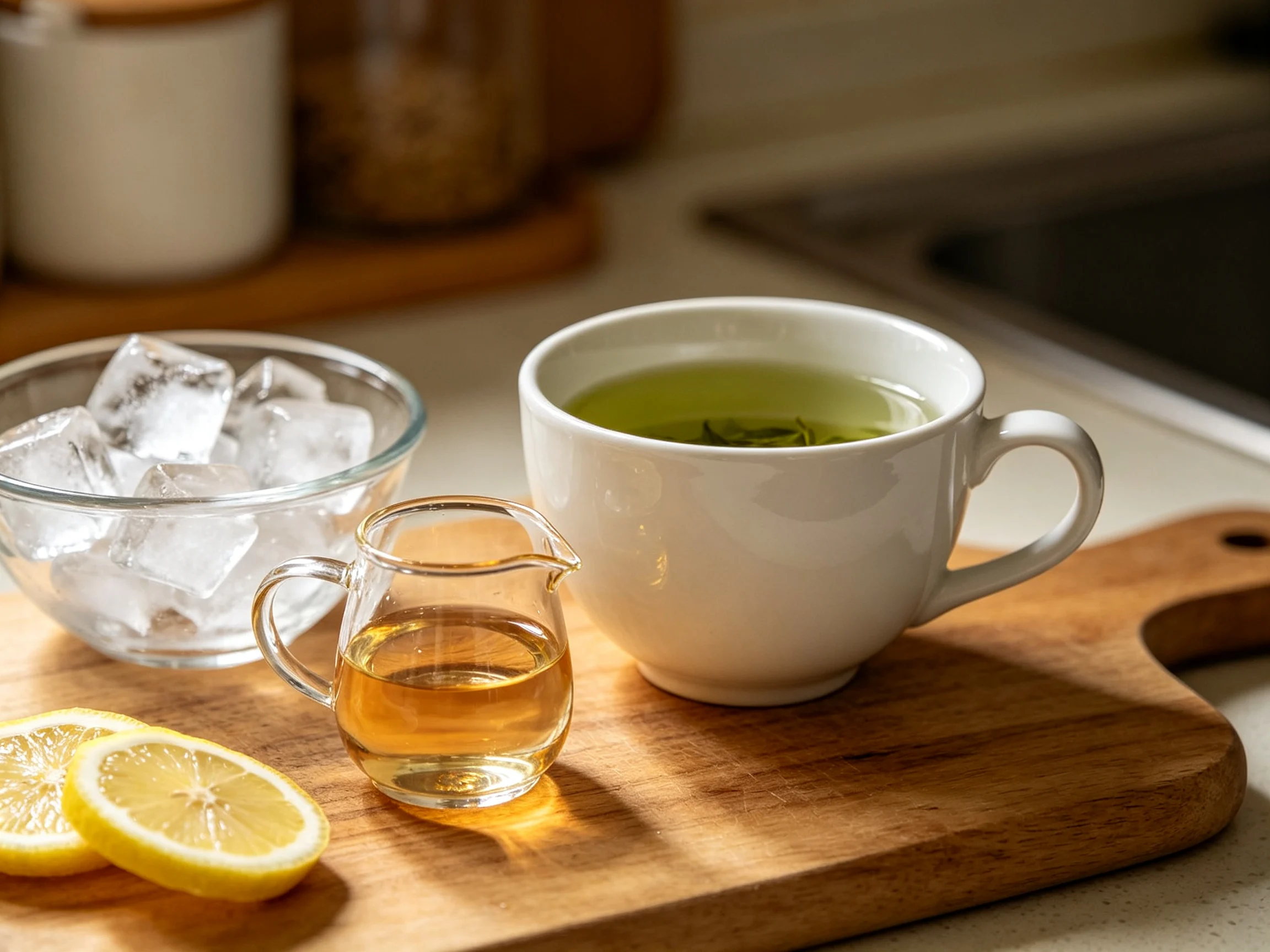
Tea for the office becomes sustainable when brewing, interruption, wet-leaf disposal, storage, and cleanup are all solved.
Test the full workflow once before relying on it
Set up the equipment, brew, pour, remove the leaves, dispose of them, and clean everything. A practical method must work through cleanup, not only through the attractive moment of pouring.
Adjust the setup to the smallest number of pieces that solve the real problem.
A good office tea setup should be compact, easy to clean, and forgiving when a meeting interrupts the steep. One mug, a basket infuser, a lid or tray, and a sealed tea container are enough.
The Minimum Equipment
- A mug with a stable handle.
- A roomy basket infuser.
- A lid that doubles as a drip tray.
- Access to a kettle or hot-water source.
- A spoon or small scale.
- One airtight tea container.
Choose Forgiving Tea
Black tea, roasted oolong, mint, fruit tea, and many herbal blends tolerate office conditions better than extremely delicate leaves. If the water source is very hot and uncontrolled, avoid tea that becomes bitter immediately.
Prevent Oversteeping
Use a timer on your phone and remove the infuser before answering a call. If interruptions are constant, cold brew tea in a bottle or choose a tea that can handle a longer infusion.
Storage at Work
Keep tea sealed away from coffee, snacks, cleaning supplies, and sunlight. Bring small amounts from home instead of storing a six-month supply in a warm drawer.
Cleaning Without a Kitchen
Empty wet leaves into compost or trash, rinse the infuser, and let it dry. A small container can carry the wet infuser to a sink without dripping.
Caffeine Planning
Keep one caffeinated tea for the morning and one caffeine-free herbal or fruit option for later. This reduces the temptation to overbrew a weak afternoon tea simply because it is the only choice.
Build the setup from the tea ware collection and choose daily options from the loose leaf tea collection.
Plan for Imperfect Water
Office hot-water dispensers may be too hot for green tea or may carry a mild odor. Bring a tea that tolerates the available water, let boiling water cool in the mug, or keep a small pitcher for one transfer.
If the water tastes unpleasant on its own, even excellent leaves will struggle. In that case, filtered drinking water and a suitable kettle may improve the cup more than buying a more expensive tea.
- Taste the office water plain.
- Use a forgiving tea at first.
- Keep delicate tea for a controllable setup.
An Office Tea Routine Should Survive a Busy Day
Choose tools you can clean in two minutes and tea you can brew reliably. Convenience is not the enemy of quality; it is what allows a good cup to happen repeatedly.
Use a Second Session to Confirm the First
Test the complete workflow for tea for the office: prepare the water, measure the leaf, brew, pour, remove the leaves, handle drips, and clean the equipment. A setup that looks simple can fail at the moment an infuser has nowhere to rest or wet leaves cannot be discarded.
Build the first test around “Use a roomy removable infuser.” and “Keep a drip tray or small container..” Then remove any object or step that does not improve control, comfort, or cleanup. The best routine is not the most elaborate one; it is the one you can repeat without hesitation.
After several sessions, notice where attention is actually required. A timer may matter more than another cup, and a stable tray may matter more than decorative accessories. Spend effort on the point where the routine normally breaks down.
- Review: Use a roomy removable infuser.
- Review: Keep a drip tray or small container.
- Review: Store only a short supply.
- Review: Choose forgiving tea.
This verification step keeps tea for the office tied to a real result rather than a rule copied from another kitchen, product page, or tea table.
Avoid Turning a Useful Guide Into a Rigid Formula
Tea for the Office should fit the equipment, time, storage, and attention available in ordinary life. A method that works only under ideal conditions may still be interesting, but it should not be presented as the only correct routine.
Use “Use a roomy removable infuser.” and “Keep a drip tray or small container.” to identify the non-negotiable requirements. Everything else can be simplified until the process is comfortable and repeatable.
- Keep: the parts of tea for the office that produce a repeatable improvement.
- Recheck: results that appeared only once or under unusual conditions.
- Adapt: vessel size, water, timing, and serving to the actual situation.
- Stop: when safety, contamination, or damaged equipment becomes the concern.
A Practical Review List
- Use a roomy removable infuser.
- Keep a drip tray or small container.
- Store only a short supply.
- Choose forgiving tea.
- Keep a caffeine-free afternoon option.
A Better Way to Use Tea for the Office
Office tea usually fails because the leaves cannot be removed during a call or because wet equipment has nowhere to go. A basket infuser with a lid that becomes a drip tray solves both problems.
Bring only a small quantity of tea. Desk drawers can be warm and full of coffee, snacks, perfume, or cleaning odors. Refill a sealed work tin from home rather than storing months of delicate leaf.
What This Looks Like at Home
Set a phone timer, remove the basket onto its lid, and carry both to the sink later. This simple workflow keeps the cup from oversteeping even when a meeting starts unexpectedly.
Keep the Method Practical
Keep tea for the office connected to observable evidence, normal household conditions, and the way tea is actually used.
For a different angle, read Tea Tray Guide: What It Does and Whether You Need One.
Use the Next Brew as Confirmation
Before treating tea for the office as settled, repeat the method with the same tea and change only one condition that matters to the article. Use “Use a roomy removable infuser.” as the baseline and “Store only a short supply.” as the deliberate change. Write down whether aroma, taste, texture, convenience, or cleanup improved.
This final repeat protects against conclusions caused by a rushed session, unfamiliar water, an unusual cup, or a product that does not represent the wider category. When the result remains useful twice, keep the method. When it does not, preserve both records and narrow the claim rather than forcing a universal rule.