

Tea Tray Guide: What It Does and Whether You Need One
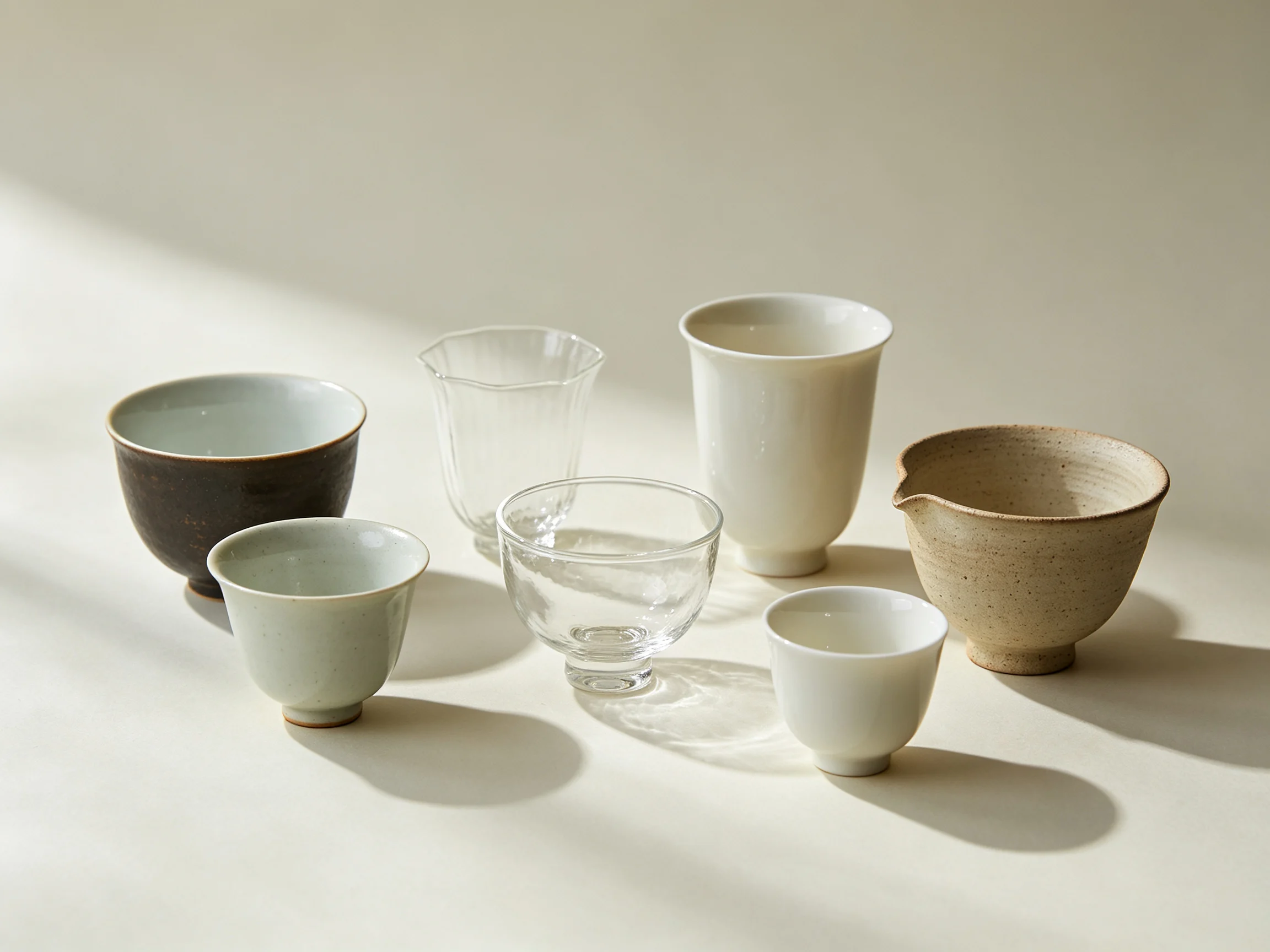
A tea tray guide should begin with water volume, working space, drainage, and cleanup rather than visual tradition.
A Better Way to Use Tea Tray Guide
A large reservoir is not convenient if it is awkward to carry to the sink. A hose is not convenient if it traps tea residue behind furniture. Think through the complete path from the first rinse to drying the final component.
Dry brewing is a valid alternative. A rimmed tray, absorbent cloth, and waste bowl handle small spills without hidden water. This setup may be cleaner for occasional home sessions.
A tea tray creates a defined surface for teapots, cups, pitchers, and small spills. It can be a simple dry tray or a drainage system designed for gongfu-style rinsing and frequent pouring.
You do not need a traditional tray to brew good tea. You need a stable, clean surface that matches how much water your method uses.
Dry Tray vs Drainage Tray
| Type | How it works | Best for |
|---|---|---|
| Dry tray | Catches small drips; wiped after use | Simple home and office brewing |
| Reservoir tray | Top drains into a removable compartment | Gongfu sessions and more rinsing |
| Hose tray | Drains to a separate container | Large or frequent tea service |
Choose the Right Size
Place your largest brewing vessel, fairness pitcher, cups, and waste bowl on a table before buying. Measure the working area. A tray that barely fits the empty set will feel crowded once hands are moving.
A related practical guide is Ceramic vs Porcelain Teapot: Which One Suits Your Tea?.
Materials
- Bamboo: warm appearance; needs drying and inspection for warping.
- Wood: attractive but sensitive to prolonged moisture.
- Stone or ceramic: stable and easy to wipe, but heavy.
- Metal: durable and simple; may show water spots.
- Plastic or composite: practical and moisture-resistant.
Cleaning
Empty reservoirs after every session. Rinse tea residue, wipe the underside, and allow all parts to dry. Hidden standing water creates odor and can damage wood or bamboo.
Common Buying Mistakes
- Choosing by photography without checking dimensions.
- Buying a drainage tray for a dry-brewing routine.
- Selecting a reservoir that is difficult to remove.
- Ignoring the weight when carrying a full setup.
- Leaving wet leaves and wastewater overnight.
Coordinate size with a pitcher and cups from the tea ware collection.
Simple Alternatives
A rimmed serving tray, absorbent tea towel, or washable mat is enough for many people. Use a waste bowl when rinsing leaves or warming vessels.
Plan Where the Wastewater Goes
A reservoir tray is only convenient when it can be emptied without crossing the room while full. Check how the drawer or tank is removed and whether the tray must be lifted first.
For a hose system, place the waste container below the tray and where it cannot be kicked. Clear tubing makes buildup visible, but it still needs regular rinsing. A simple dry tray may be safer in a small apartment or around children and pets.
- Measure the path to the sink.
- Check reservoir capacity.
- Keep drainage tubing accessible for cleaning.
A Tray Should Reduce Work
Choose a tray only when it makes setup, pouring, and cleanup easier. Teaware should support the session rather than turn it into furniture maintenance.
Use a Second Session to Confirm the First
Before spending more on tea tray guide, save the product page and identify which claims can be checked after delivery. Leaf appearance, package weight, ingredient list, seal quality, aroma, and brewing behavior are verifiable. Words such as rare, premium, reserve, or ancient need supporting detail.
Start with “Measure the working area.” and “Test reservoir removal..” A small first order creates room to learn the tea without turning one uncertain purchase into months of storage. Compare the delivered product with the photographs and description while the listing is still available.
Price should be evaluated per enjoyable serving, not only per gram. A dense tea that supports several infusions can behave differently from a bulky blend used once. Shipping, packaging, freshness, and the chance that the tea suits your routine all belong in the decision.
- Measure the working area. Record what changed before moving to the next variable.
- Test reservoir removal. Record what changed before moving to the next variable.
- Keep drainage visible and cleanable. Record what changed before moving to the next variable.
- Dry wood or bamboo fully. Record what changed before moving to the next variable.
This verification step keeps tea tray guide tied to a real result rather than a rule copied from another kitchen, product page, or tea table.
Avoid Turning a Useful Guide Into a Rigid Formula
No guide can declare one product or method universally best for tea tray guide. Budget, shipping, hand size, storage space, cleanup, serving size, and taste can legitimately change the decision. A transparent tradeoff is better than a false winner.
Use the question “Do I need a tea tray for gongfu brewing?” to define the choice more narrowly. If the answer depends on a specific tea or household routine, test a small quantity or borrowed tool before making a larger commitment.
- Keep: the parts of tea tray guide that produce a repeatable improvement.
- Recheck: results that appeared only once or under unusual conditions.
- Adapt: vessel size, water, timing, and serving to the actual situation.
- Stop: when safety, contamination, or damaged equipment becomes the concern.
Reduce risk before increasing order size
Begin with a small quantity, confirm the seller’s description, and test the tea in your normal water and teaware. A large discount is poor value when the product does not fit your routine.
Save the listing and photograph the delivered leaf. This makes it easier to compare the promise, the product, and any future reorder.
A Side-by-Side Example
Place your gaiwan, pitcher, cups, strainer, and waste bowl on a sheet of paper, then trace the space your hands need. The resulting footprint is a better size guide than a styled product photograph.
Before the Next Cup
- Measure the working area.
- Test reservoir removal.
- Keep drainage visible and cleanable.
- Dry wood or bamboo fully.
- Choose a simpler tray when spills are small.
Use the Idea Without Overcomplicating Tea
Used carefully, tea tray guide becomes practical knowledge rather than another label to memorize.
Useful next steps: tea cup guide.