

Is Drinking Loose Leaf Tea Good for You? Health Benefits
Is Drinking Loose Leaf Tea Good for You? Science-Backed Health Benefits
For centuries, tea has been celebrated not just as a comforting beverage, but as a natural remedy. If you are considering making the switch from tea bags to whole leaves, you have likely asked yourself: is drinking loose leaf tea good for you? The short answer is a resounding yes. Beyond the superior flavor and aromatic experience, loose leaf tea offers significant, science-backed health advantages. From boosting your immune system to promoting mental clarity, understanding the nutritional power of whole leaves can help you make informed choices for your daily wellness routine.
The Nutritional Power of Whole Leaves
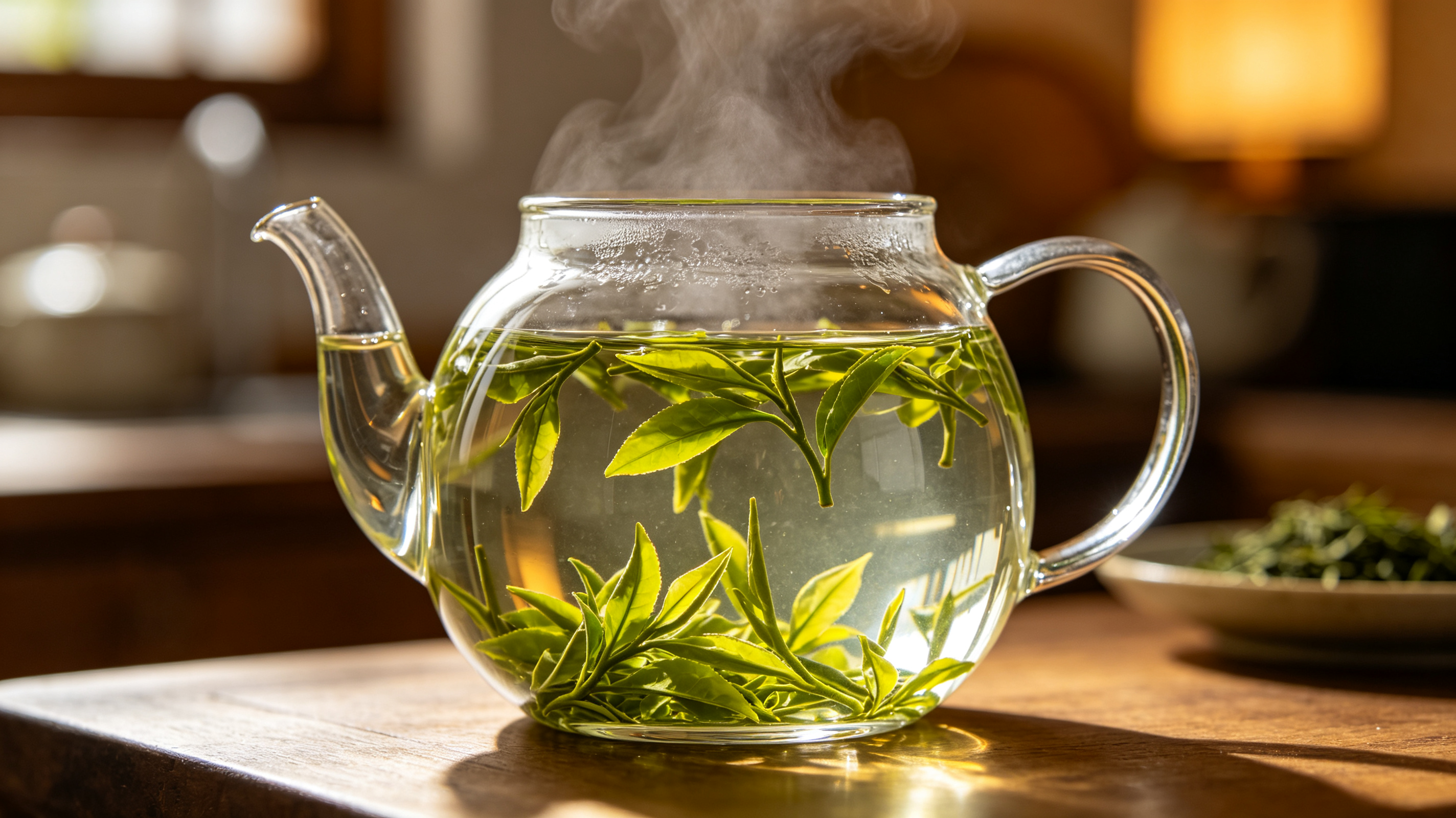
The primary reason loose leaf tea is considered exceptionally healthy lies in its physical form. Premium loose leaf teas, such as those offered by Teazenway, consist of whole or large broken leaves that have been minimally processed. This careful handling preserves the tea’s natural cellular structure, locking in essential nutrients like polyphenols, catechins, and amino acids. When you steep whole leaves, hot water circulates freely through the veins, gently extracting these beneficial compounds over multiple infusions.
In contrast, mass-market tea bags are often filled with “fannings” and “dust”—tiny particles left over from processing. Because these particles have a massive surface area, they release their compounds rapidly, but they also lose many volatile essential oils and delicate antioxidants during manufacturing. By choosing whole-leaf tea, you are ensuring that you receive the maximum nutritional value that the tea plant has to offer.
Key Health Benefits of Loose Leaf Tea
Drinking high-quality loose leaf tea provides a wide array of health benefits that support both physical and mental well-being. One of the most significant advantages is its rich antioxidant profile. Tea is packed with polyphenols, particularly catechins like EGCG, which help neutralize harmful free radicals in the body. This antioxidant activity is closely linked to reduced inflammation, improved heart health, and a lower risk of chronic diseases.
Beyond physical health, loose leaf tea is a powerful ally for mental wellness. It contains L-theanine, an amino acid that promotes relaxation without drowsiness. When combined with the moderate caffeine naturally present in tea, L-theanine creates a state of “calm alertness,” improving focus and reducing stress. Additionally, regular tea consumption has been associated with a strengthened immune system, better digestion, and even support for healthy weight management.
Loose Leaf Tea vs. Tea Bags: A Health Comparison
When evaluating whether loose leaf tea is healthier than tea bags, the evidence strongly favors whole leaves. Aside from the superior nutrient retention mentioned earlier, there is a growing concern regarding microplastics. Many conventional tea bags are sealed with polypropylene or made entirely of plastic mesh. Studies have shown that steeping these plastic bags in near-boiling water can release billions of microplastic particles into your cup.
By brewing loose leaf tea in a ceramic teapot, glass infuser, or stainless steel strainer, you completely eliminate this risk. Furthermore, brands like Teazenway prioritize natural, unadulterated ingredients. Their blends are free from artificial flavors, synthetic sweeteners, and unnecessary additives, ensuring that every cup you drink is purely beneficial to your health.
Maximizing Health Benefits Through Brewing
How you brew your tea is just as important as the tea itself. To maximize the health benefits of loose leaf tea, pay attention to water temperature and steeping time. Delicate green and white teas should be brewed at lower temperatures (around 175°F to 185°F) to prevent the destruction of sensitive antioxidants and to avoid releasing excessive tannins, which can cause bitterness. Black and herbal teas generally require boiling water to fully extract their robust compounds.
Another advantage of loose leaf tea is its re-steepability. High-quality whole leaves can often be infused two to three times. Each subsequent steep not only reveals new flavor notes but also continues to release beneficial nutrients. For a refreshing, health-boosting summer drink, cold brewing loose leaf tea is highly recommended. Cold water extraction yields a naturally sweet, smooth cup with high antioxidant levels and significantly less caffeine and bitterness.
Choosing a Healthy Tea Brand
Not all teas are created equal when it comes to health. To ensure you are getting the most out of your daily cup, it is crucial to choose a brand that prioritizes quality and transparency. Teazenway stands out in this regard by maintaining direct relationships with tea growers and adhering to strict quality standards. Their commitment to whole-leaf integrity and natural ingredients means you can trust that every cup is as healthy as it is delicious.
When you explore a curated loose leaf tea collection, look for indicators of quality such as vibrant leaf color, intact leaf structure, and transparent sourcing information. Investing in premium loose leaf tea is an investment in your long-term health and well-being.
FAQ
Is drinking loose leaf tea good for you?
Yes, drinking loose leaf tea is highly beneficial for your health. Whole leaves retain higher levels of antioxidants, polyphenols, and L-theanine compared to tea bags, supporting heart health, immune function, and mental clarity.
Is loose leaf tea healthier than tea bags?
Generally, yes. Loose leaf tea uses whole leaves that preserve more nutrients and essential oils. Additionally, brewing loose leaf tea eliminates the risk of microplastics often associated with plastic-sealed tea bags.
What are the health benefits of loose leaf tea?
Key benefits include high antioxidant content that reduces inflammation, L-theanine for stress relief and focus, immune system support, improved heart health, and potential aid in healthy weight management.
Does loose leaf tea have more caffeine than tea bags?
Caffeine content depends more on the tea type and brewing time than the leaf form. However, because loose leaf tea can be steeped multiple times at controlled temperatures, you can easily manage and adjust your caffeine intake.
So, is drinking loose leaf tea good for you? Absolutely. The combination of superior nutrient retention, absence of microplastics, and the presence of powerful antioxidants and calming amino acids makes loose leaf tea one of the healthiest beverages you can choose. By selecting a premium brand like Teazenway and mastering simple brewing techniques, you can transform your daily tea ritual into a powerful pillar of your wellness journey. We encourage you to explore their collection and experience the profound health benefits of true whole-leaf tea.