

Natural Tea Flavor vs Added Flavor: How to Read the Difference
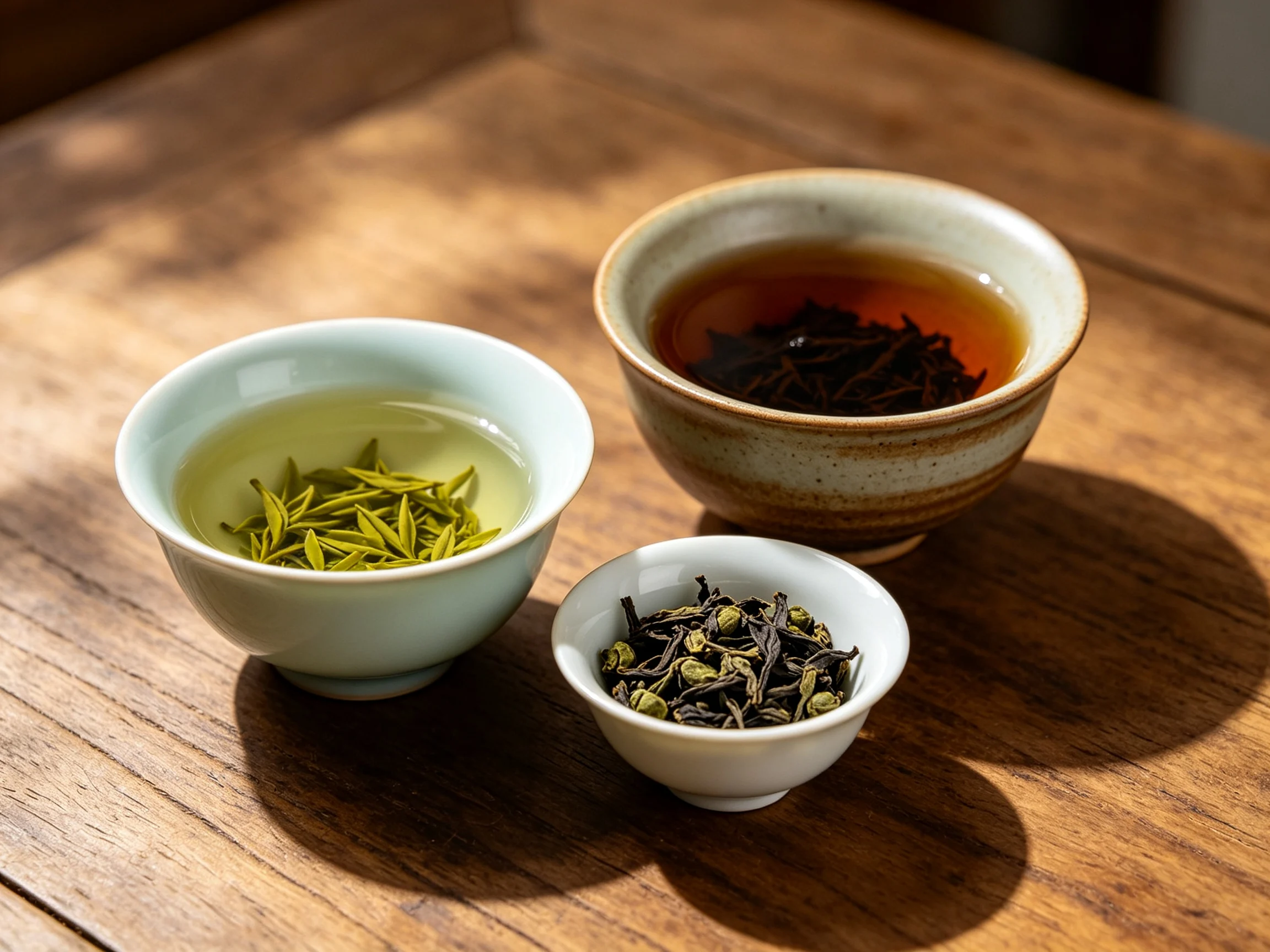
Natural tea flavor vs added flavor should be decided from clear product information, not from assumptions about how dramatic the aroma seems.
Tea can taste floral, fruity, nutty, creamy, honeyed, smoky, or spicy without containing added flavor. Cultivar, growing conditions, oxidation, roasting, aging, and scenting can all create recognizable aroma.
Added flavor is not automatically bad. The problem is confusion: a shopper should know whether the taste comes from the leaf, a traditional scenting process, visible ingredients, or an applied flavoring.
Where Natural Tea Character Comes From
- Tea cultivar.
- Season and growing conditions.
- Withering and oxidation.
- Roasting, steaming, or pan firing.
- Microbial aging in appropriate tea styles.
- Absorption of flower aroma during scenting.
What Added Flavor Means
Flavor may be introduced through extracts, oils, distillates, natural flavor systems, or other approved food flavorings. The label should indicate the presence of flavoring according to local rules and the seller should avoid implying the aroma comes only from the leaf.
Visible Fruit Does Not Tell the Whole Story
Dried berries, petals, or peel can contribute taste and appearance, but they may not be responsible for the strongest fragrance. Conversely, a tea with no visible fruit can still be flavored with an extract.
Questions Worth Asking
- What is the base tea?
- Are flavors added?
- Are the visible ingredients intended for taste or appearance?
- Is the tea scented with fresh flowers?
- Does the product contain allergens or sweetened pieces?
- How strong is the aroma after brewing?
Taste for Integration
Well-made flavored tea should not feel like aroma floating above weak hot water. The base tea, acidity, sweetness, and added character should form one coherent cup.
Browse clearly described options in the fruit tea collection, flower tea collection, and black tea collection.
Do Not Turn Purity Into a Status Contest
Some drinkers prefer unflavored single-origin tea; others enjoy citrus, jasmine, lychee, spice, or fruit. Transparency and balance are more useful standards than declaring one preference universally superior.
Use the Second Cup as a Clue
Added flavor and natural leaf character can overlap so completely that one sip cannot settle the question. A second infusion is often informative. Some whole-leaf aroma continues to develop, while a strong applied top note may fade more quickly. This pattern is not proof, but it helps you ask better questions.
The most reliable answer still comes from transparent labeling. Sensory testing should support disclosure, not replace it. When a product page is vague, contact the seller rather than turning personal taste into a chemical test.
- Compare first and second infusions.
- Read the ingredient list again after tasting.
- Separate strong aroma from lasting flavor.
The Label Should Match the Experience
A trustworthy tea tells you what you are drinking. When the product page explains the base, ingredients, flavoring, and brewing method, you can choose according to taste rather than marketing ambiguity.
How the Decision Plays Out
A plain black tea may smell like stone fruit because of cultivar and oxidation, while a berry blend may contain visible fruit and an added flavor system. Taste both after cooling; natural and added aromas can each be balanced or poorly integrated.
A Better Way to Use Natural Tea Flavor vs Added Flavor
Natural leaf character can be remarkably fruity or floral, so intensity alone cannot identify added flavor. Product information is more reliable: cultivar, oxidation, roast, scenting, ingredients, and explicit flavor disclosure.
The phrase natural flavor is a labeling category, not a detailed recipe. It does not tell you how strong the flavor will be or whether the base tea is good. Ask what the flavor is intended to contribute and whether the product remains enjoyable without sugar.
Use a Second Session to Confirm the First
Before spending more on natural tea flavor vs added flavor, save the product page and identify which claims can be checked after delivery. Leaf appearance, package weight, ingredient list, seal quality, aroma, and brewing behavior are verifiable. Words such as rare, premium, reserve, or ancient need supporting detail.
Start with “Read the full ingredient list.” and “Identify the base tea..” A small first order creates room to learn the tea without turning one uncertain purchase into months of storage. Compare the delivered product with the photographs and description while the listing is still available.
Price should be evaluated per enjoyable serving, not only per gram. A dense tea that supports several infusions can behave differently from a bulky blend used once. Shipping, packaging, freshness, and the chance that the tea suits your routine all belong in the decision.
- Review: Read the full ingredient list.
- Review: Identify the base tea.
- Review: Look for flavor disclosure.
- Review: Separate visible ingredients from aroma source.
This verification step keeps natural tea flavor vs added flavor tied to a real result rather than a rule copied from another kitchen, product page, or tea table.
Quick Answers
Can unflavored tea taste like fruit?
Yes. Cultivar and processing can create fruit-like aromas without fruit ingredients.
Does natural flavor mean no flavor was added?
No. It generally indicates a type of added flavoring derived according to applicable labeling rules.
Is added flavor unsafe?
Approved food flavorings can be used safely; transparency, individual sensitivities, and product compliance matter.
Avoid Turning a Useful Guide Into a Rigid Formula
No guide can declare one product or method universally best for natural tea flavor vs added flavor. Budget, shipping, hand size, storage space, cleanup, serving size, and taste can legitimately change the decision. A transparent tradeoff is better than a false winner.
Use the question “Can unflavored tea taste like fruit?” to define the choice more narrowly. If the answer depends on a specific tea or household routine, test a small quantity or borrowed tool before making a larger commitment.
- Keep: the parts of natural tea flavor vs added flavor that produce a repeatable improvement.
- Recheck: results that appeared only once or under unusual conditions.
- Adapt: vessel size, water, timing, and serving to the actual situation.
- Stop: when safety, contamination, or damaged equipment becomes the concern.
Reduce risk before increasing order size
Begin with a small quantity, confirm the seller’s description, and test the tea in your normal water and teaware. A large discount is poor value when the product does not fit your routine.
Save the listing and photograph the delivered leaf. This makes it easier to compare the promise, the product, and any future reorder.
Five Checks That Prevent Guessing
- Read the full ingredient list.
- Identify the base tea.
- Look for flavor disclosure.
- Separate visible ingredients from aroma source.
- Taste for body beneath fragrance.
Let the Cup Confirm the Rule
The best approach to natural tea flavor vs added flavor is the one that remains clear after the marketing language is removed.
For a different angle, read Roasted Tea Guide: Flavor, Brewing, and What Roast Really Does.