

How Jasmine Tea Is Scented: From Fresh Flowers to Finished Leaf
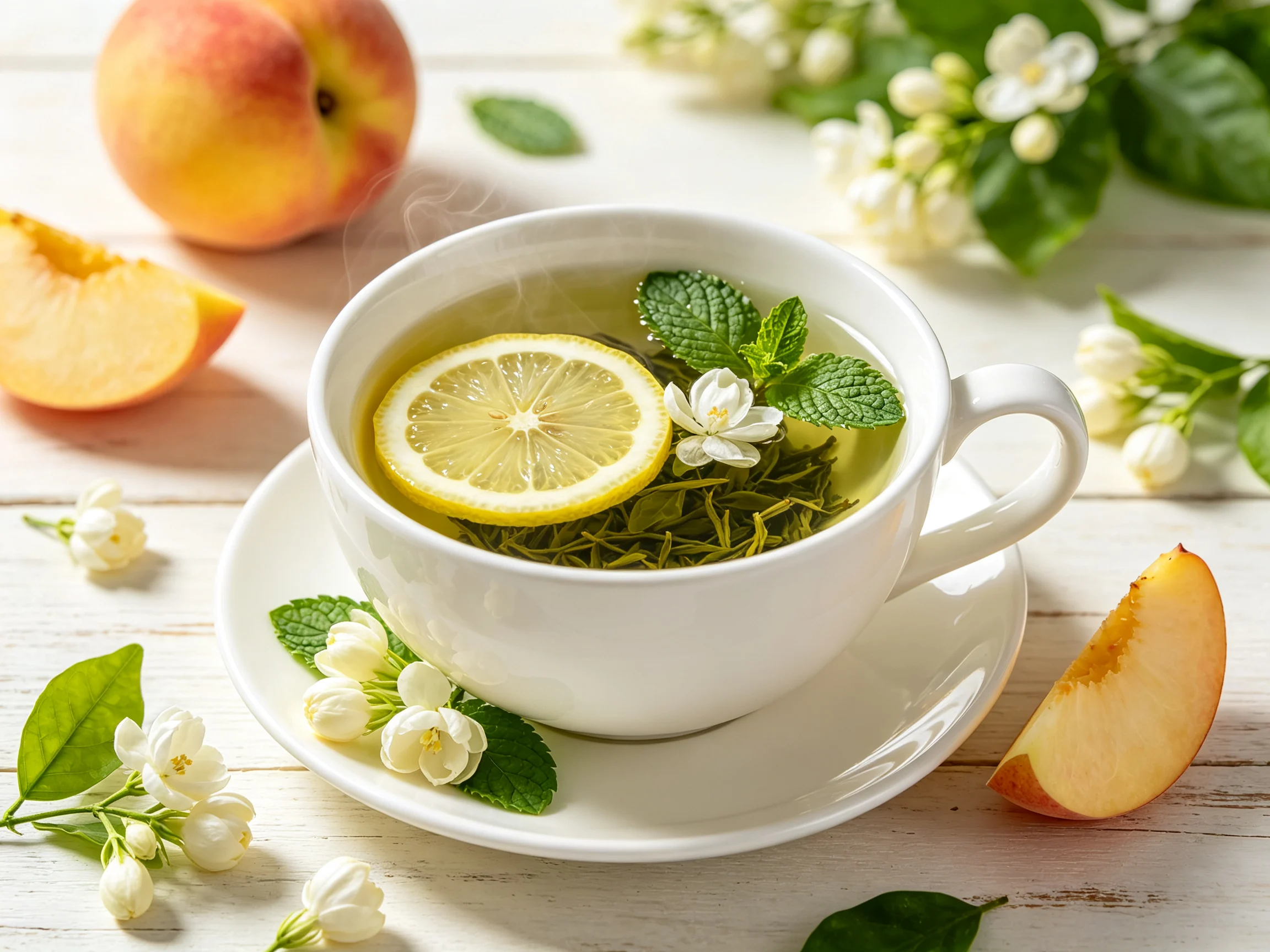
Knowing how jasmine tea is scented helps you evaluate fragrance, base leaf, moisture control, and brewing as one process.
How to Apply How Jasmine Tea Is Scented
The first smell can be persuasive, but the second and third sips reveal whether the base tea supports the jasmine. Good balance may show fresh floral aroma, clean green-tea character, and a finish that remains fragrant without becoming soapy.
Repeated scenting is sometimes used as a selling point. More cycles can deepen fragrance, but the number alone does not prove quality. Flower condition, timing, moisture management, base tea, and drying all matter.
Jasmine tea is commonly made by allowing prepared tea leaves to absorb fragrance from fresh jasmine flowers. The process depends on flower freshness, timing, temperature, moisture control, the base tea, and how many scenting cycles are used.
The visible petals in a finished tea are not the main proof of scenting. Much of the aroma may already be held inside the tea leaves.
The Base Tea Is Prepared First
Green tea is a common base, though other tea styles can be scented. The base must be stable enough to receive fragrance without becoming stale or overly moist.
Jasmine Flowers Are Timed for Aroma
Jasmine buds are collected and managed so they open and release fragrance at the appropriate time. The flowers and tea are brought together when the aroma is active.
A related practical guide is Tea Harvest Seasons Explained: First Flush and Beyond.
The Leaf Absorbs Fragrance
Tea readily absorbs surrounding odors. During scenting, that tendency is used deliberately. Leaves and flowers are layered or mixed under controlled conditions so the tea takes on jasmine aroma.
Flowers May Be Removed
After a scenting cycle, spent flowers may be separated from the tea. Fresh flowers can be introduced for another cycle. Repetition can deepen aroma, but the quality of the base tea and process control still determine balance.
Drying and Moisture Control
Fresh flowers introduce moisture. The tea must be dried or stabilized so it stores safely and the fragrance remains clean rather than damp or stale.
Why Some Jasmine Tea Tastes Perfumey
- Fragrance overwhelms a weak base tea.
- Added flavor is used at a high level.
- The tea is oversteeped.
- Storage has flattened the leaf while leaving a strong top aroma.
- Personal sensitivity makes the floral character feel intense.
Use gentler water and timing from the green tea brewing guide and compare available styles in the green tea collection.
Petals Are Decoration, Evidence, or Both
Some jasmine teas contain visible blossoms; others do not. Petals can support appearance, but absence of petals does not mean absence of real scenting. Look for process transparency rather than judging by decoration.
Repeated Scenting Is Not a Simple Quality Counter
More scenting cycles can create deeper fragrance, but the number alone does not guarantee a better cup. Flower quality, timing, moisture, the base tea, and drying between cycles all matter. Poorly controlled repetition can make tea heavy or dull.
A useful product description explains the base and method rather than relying only on a large cycle count. In the cup, look for jasmine that remains clear without making the tea taste oily, harsh, or detached from the leaf.
- Taste the tea without sugar first.
- Notice whether the base tea has body.
- Check whether fragrance remains pleasant as the cup cools.
A Balanced Jasmine Tea Has Two Voices
The best result lets jasmine fragrance and the tea base remain recognizable. Aroma should invite the first sip, while leaf quality carries the cup after the perfume fades.
What Strong Evidence Looks Like in Daily Tea
Use how jasmine tea is scented to make one prediction before brewing. Predict how quickly the leaves will open, how the aroma may develop, whether the tea might tolerate heat, or whether repeated infusions are likely. A technical term becomes useful only when it leads to something observable.
Check that prediction through the scenario described above and the first two review points: “Check the base tea.” and “Ask whether fresh flowers or added flavor are used..” If the cup contradicts the expectation, consider cultivar, roast, leaf size, storage, and brewing before rejecting the entire explanation.
Avoid turning one processing feature, season, grade, or origin claim into a complete quality score. Tea reaches the cup through several linked stages. The most reliable interpretation keeps the term narrow and lets aroma, taste, texture, and finish provide the final evidence.
- Check the base tea. Record what changed before moving to the next variable.
- Ask whether fresh flowers or added flavor are used. Record what changed before moving to the next variable.
- Taste beyond the first sip. Record what changed before moving to the next variable.
- Use gentler brewing for delicate green bases. Record what changed before moving to the next variable.
This verification step keeps how jasmine tea is scented tied to a real result rather than a rule copied from another kitchen, product page, or tea table.
Know When the Rule Needs to Bend
How Jasmine Tea Is Scented provides a model, not a complete explanation of every tea. Cultivar, weather, processing skill, storage, water, and brewing can reinforce or contradict the expectation created by one term.
When the evidence is mixed, keep the label narrow. Use “Check the base tea.” and “Ask whether fresh flowers or added flavor are used.” to gather more context instead of expanding the claim until it explains everything.
- Keep: the parts of how jasmine tea is scented that produce a repeatable improvement.
- Recheck: results that appeared only once or under unusual conditions.
- Adapt: vessel size, water, timing, and serving to the actual situation.
- Stop: when safety, contamination, or damaged equipment becomes the concern.
Follow the process into the finished cup
Processing language should explain an observable result: leaf shape, extraction speed, roast, aroma, color, or ability to re-steep. When the description has no practical consequence, it may be decorative jargon.
Compare two products that differ in one processing step. Side-by-side brewing turns factory language into sensory evidence.
A Simple Experiment
Compare the dry leaf and wet leaf. If the dry tea is intensely perfumed but the wet leaf smells flat or artificial, the aroma may not be well integrated. A balanced tea often remains recognizable after it cools.
Questions Readers Often Ask
Are jasmine flowers left in the tea?
They may be removed, partly retained, or added for appearance depending on the product.
Why does jasmine tea become bitter?
A green-tea base can become bitter with excessive heat, leaf, or time.
Does stronger jasmine aroma mean better tea?
Not necessarily. Integration, cleanliness, and the quality of the base tea matter.
Before the Next Cup
- Check the base tea.
- Ask whether fresh flowers or added flavor are used.
- Taste beyond the first sip.
- Use gentler brewing for delicate green bases.
- Store away from competing odors.
Use the Idea Without Overcomplicating Tea
Used carefully, how jasmine tea is scented becomes practical knowledge rather than another label to memorize.