

How to Build a Personal Tea Rotation Without Buying Too Much
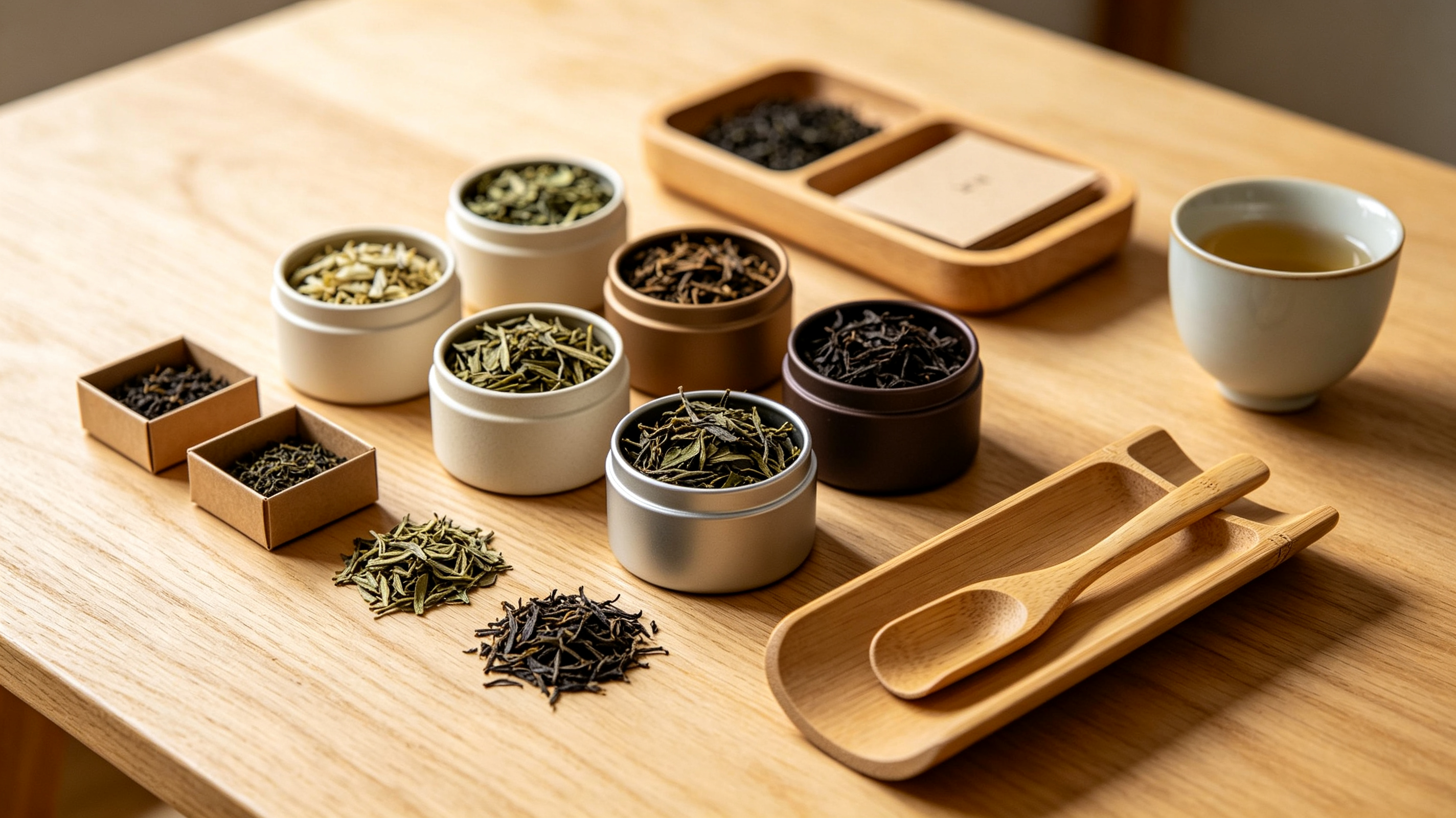
A personal tea rotation creates variety through distinct jobs and brewing methods, not through dozens of open packages.
Make the shelf reflect actual drinking frequency
A role used once a month does not need three open choices. Give more space to daily tea and keep special tea sealed until its turn.
A rotation is healthy when products are finished while still enjoyable and each new purchase has a reason to enter.
A personal tea rotation is a small group of teas with clear jobs. It prevents the shelf from filling with similar open bags and makes daily choice easier. You do not need one tea for every mood; five or six well-chosen roles cover most routines.
Choose Roles Before Products
- Morning: a reliable black tea, oolong, or green tea.
- Afternoon: something aromatic or refreshing.
- Evening: a clearly caffeine-free infusion.
- Iced tea: a tea that stays flavorful when chilled.
- Guests: an approachable tea with clear aroma.
- Focused tasting: one tea worth multiple infusions.
Keep Only Two Similar Teas Open
If three floral green teas are open at once, all three may fade before you finish them. Open a replacement when the current tea is nearly finished.
Use a Weekly Rhythm
| Day or moment | Rotation idea |
|---|---|
| Busy morning | Reliable mug tea |
| Slow weekend | Oolong or pu’er with multiple infusions |
| Hot afternoon | Cold brew or fruit tea |
| After dinner | Mint or caffeine-free flowers |
| Guests | Black tea plus caffeine-free option |
Buy Small While Learning
Samples and small bags reveal preferences without creating storage pressure. Increase the size only after you know how often you brew the tea.
Track Opening Dates
Put older delicate teas at the front. Reserve unopened tea for later. Strongly scented tea should remain sealed away from subtle leaves.
Review Every Month
- What did you finish?
- What did you avoid?
- Which teas overlap?
- Which category is missing?
- Did any tea lose aroma?
- Are you buying for drinking or collecting?
Use the loose leaf tea collection to fill genuine gaps and the storage guide to protect the rotation.
Let the Rotation Change With the Season
Summer may favor cold brew, mint, and fruit. Cooler months may bring roasted oolong, black tea, and pu’er forward. Keep the framework but change the contents.
Set a Replacement Rule
Decide when a new purchase is allowed: after one similar tea is finished, when the caffeine-free option is nearly empty, or when a seasonal role genuinely changes. A simple replacement rule protects freshness without eliminating discovery.
Keep a wish list separate from the active shelf. Waiting a week often reveals whether a product fills a real gap or only repeats something already open.
- Replace by role, not impulse.
- Sample before buying a large size.
- Remove stale tea before adding storage containers.
A Smaller Shelf Can Offer More Variety
Variety comes from distinct roles and brewing methods, not from dozens of open packages. A deliberate rotation keeps tea fresh, useful, and connected to daily life.
Record Enough Detail to Avoid Starting Over
Use personal tea rotation to give each open tea a defined job. Daily tea deserves more shelf space than a category used once a month. Special tea can remain sealed until its role becomes active.
Start with “Assign each open tea a role.” and “Limit overlapping open packages..” When a new product is tempting, identify which existing role it will replace. If no role changes, the purchase probably adds overlap rather than variety.
Review the system when seasons or schedules change. A cold-brew role may expand in summer, while roasted tea becomes more useful in cooler weather. The framework stays stable even when the individual teas rotate.
| Check | Evidence to keep |
|---|---|
| Assign each open tea a role. | Observe the result and record the next adjustment. |
| Limit overlapping open packages. | Observe the result and record the next adjustment. |
| Track opening dates. | Observe the result and record the next adjustment. |
This verification step keeps personal tea rotation tied to a real result rather than a rule copied from another kitchen, product page, or tea table.
Use Judgment After the Checklist Ends
Personal Tea Rotation should fit the equipment, time, storage, and attention available in ordinary life. A method that works only under ideal conditions may still be interesting, but it should not be presented as the only correct routine.
Use “Assign each open tea a role.” and “Limit overlapping open packages.” to identify the non-negotiable requirements. Everything else can be simplified until the process is comfortable and repeatable.
- Keep: the parts of personal tea rotation that produce a repeatable improvement.
- Recheck: results that appeared only once or under unusual conditions.
- Adapt: vessel size, water, timing, and serving to the actual situation.
- Stop: when safety, contamination, or damaged equipment becomes the concern.
A Practical Review List
- Assign each open tea a role.
- Limit overlapping open packages.
- Track opening dates.
- Review the shelf monthly.
- Buy samples before large replacements.
Continue with Tea Journal Guide: What to Record and What to Skip.
Personal Tea Rotation: From Definition to Practice
A rotation stays small when a new tea replaces a role rather than joining an unlimited collection. Finish the floral daily tea before opening another floral daily tea. Replace the evening infusion when it is nearly empty.
Keep a wish list separate from the active shelf. A short waiting period reveals whether a product fills a genuine gap or repeats something already open.
A Real-World Test
A six-role rotation might include morning black tea, afternoon oolong, evening mint, iced fruit tea, a guest-friendly jasmine tea, and one pu’er or white tea for focused sessions. The roles create variety without excess.
Keep the Method Practical
Keep personal tea rotation connected to observable evidence, normal household conditions, and the way tea is actually used.
Use the Next Brew as Confirmation
Before treating personal tea rotation as settled, repeat the method with the same tea and change only one condition that matters to the article. Use “Assign each open tea a role.” as the baseline and “Track opening dates.” as the deliberate change. Write down whether aroma, taste, texture, convenience, or cleanup improved.
This final repeat protects against conclusions caused by a rushed session, unfamiliar water, an unusual cup, or a product that does not represent the wider category. When the result remains useful twice, keep the method. When it does not, preserve both records and narrow the claim rather than forcing a universal rule.