

Best Water for Tea: Tap, Filtered or Bottled?
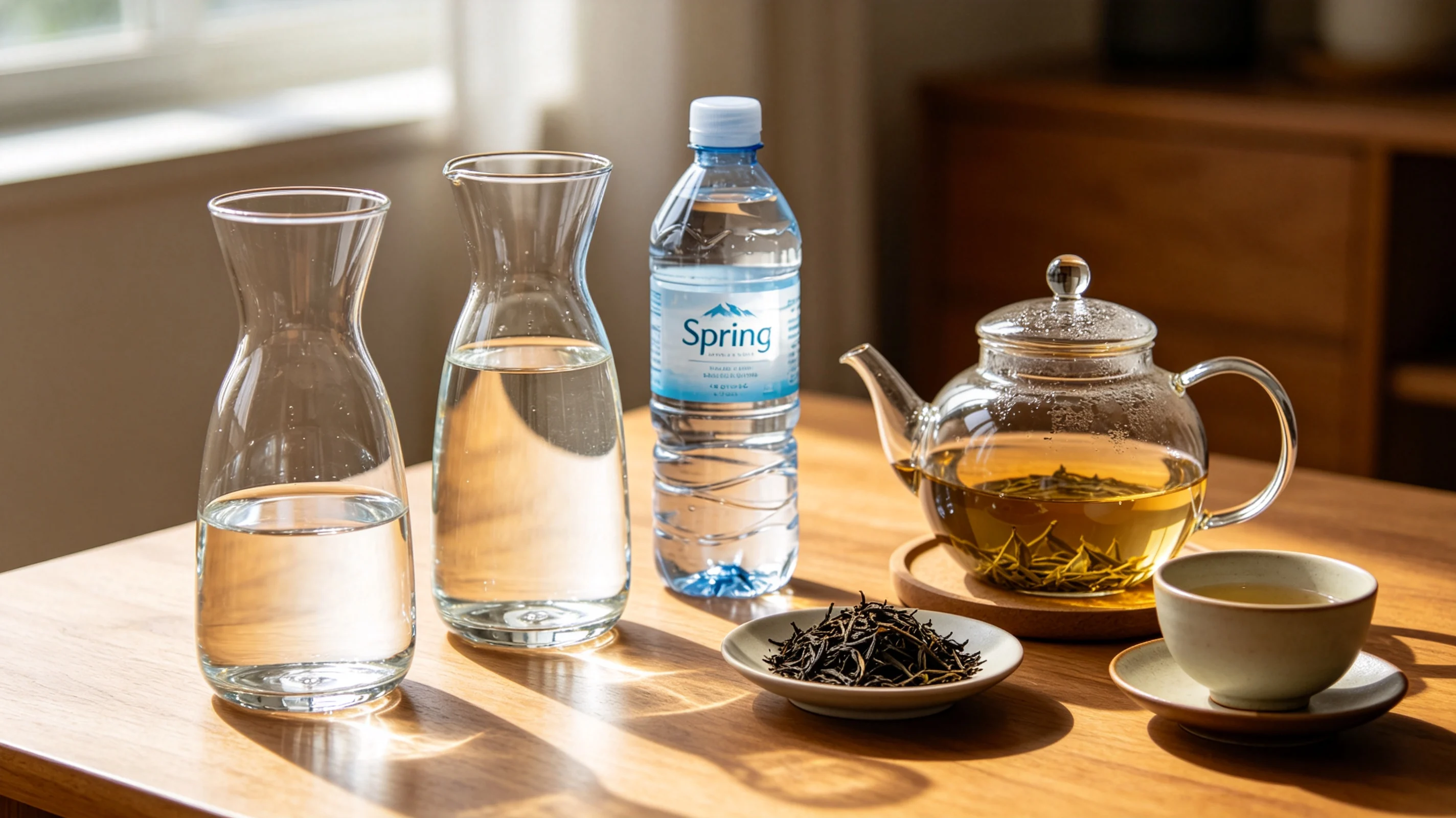
The best water for tea is clean, fresh, neutral in taste, and balanced enough in minerals to support the tea without covering its aroma. This sounds simple, but water can explain why the same loose leaf tea tastes sweet and fragrant in one kitchen, yet flat, bitter, dull, or strangely heavy in another.
Tea is mostly water, so even good leaves cannot completely hide chlorine, metallic flavors, excessive hardness, or stale water. At the same time, water with almost no minerals can make some teas feel thin and empty. The goal is not to find the most expensive water. It is to find water that lets the tea taste like itself.
What Is the Best Water for Tea?
For most homes, the best water for tea is fresh filtered tap water or a neutral-tasting bottled spring water with moderate mineral content. It should not smell strongly of chlorine, taste salty or metallic, or leave the tea feeling unusually flat.
There is no single water that is perfect for every tea and every location. Tap water varies from city to city. Bottled waters have different mineral profiles. Some filters remove odors but leave useful minerals, while reverse osmosis systems remove much more.
A practical answer is to begin with the water you already have. If it tastes clean at room temperature and does not carry a strong odor, brew tea with it. If the tea still tastes dull, harsh, or coated, compare it with filtered water or a simple bottled spring water.
Why Water Changes the Taste of Tea
Water changes tea because minerals, pH, odors, and dissolved substances affect how flavor compounds move from the leaves into the cup. Water can influence aroma, color, sweetness, bitterness, astringency, and the way the tea feels in the mouth.
Water with too many minerals may suppress delicate aromas or make the tea liquor look darker and less clear. Very soft or highly purified water may extract flavor differently and leave the cup feeling light, sharp, or incomplete.
The effect becomes especially noticeable with delicate green tea, white tea, floral oolong, and jasmine tea. Strong black tea, roasted oolong, pu’er, fruit tea, and herbal infusions may hide water differences more easily, but they are not completely unaffected.
Is Tap Water Good for Tea?
Tap water can be good for tea when it is safe to drink, tastes clean, and does not contain a strong chlorine, metallic, sulfur-like, or mineral odor. Many tea drinkers can make excellent tea with ordinary tap water, especially after basic filtration.
The problem is that tap water varies widely. One city may have relatively soft, neutral water, while another has hard water with high mineral content. Seasonal treatment changes, old plumbing, and building water tanks can also change the taste.
Before buying special water, pour a glass of cold tap water and taste it at room temperature. If you notice chlorine, metal, saltiness, or an unpleasant aftertaste, those qualities may appear in the tea as well.
Filtered Water for Tea
Filtered tap water is often the most practical choice for daily tea. A basic activated-carbon filter can reduce chlorine and some unwanted odors while leaving enough minerals to give the tea structure.
Filtration does not always reduce water hardness significantly. A standard pitcher filter may improve smell and taste but still leave much of the calcium and magnesium. If your kettle develops heavy scale quickly, your water may remain hard even after basic filtration.
That does not automatically make the water unusable. Try the tea before making the system more complicated. If filtered water produces a cleaner aroma and smoother finish than unfiltered tap water, the filter is already doing useful work.
Bottled Spring Water for Tea
Bottled spring water can be a useful alternative when local tap water tastes strongly chlorinated, metallic, salty, or excessively hard. The best bottled water for tea is usually plain, neutral-tasting water with moderate rather than extreme mineral content.
Do not assume that the most expensive imported mineral water will make the best tea. Some highly mineralized waters taste excellent on their own but can make delicate tea feel heavy, muted, or less aromatic.
Choose still water rather than sparkling water. Avoid flavored water, alkaline water with a strong taste, and water with added electrolytes unless you have tested it and enjoy the result.
Is Mineral Water Good for Tea?
Mineral water can be good for tea when its mineral level is moderate. A small amount of calcium, magnesium, and other dissolved minerals can give the tea body and a rounded mouthfeel.
However, mineral water is a broad category. Some products are lightly mineralized, while others contain enough minerals to noticeably alter tea flavor. Highly mineralized water may reduce the clarity of delicate aromas or create a heavier cup.
The label can offer clues, but taste remains the most useful test. If a bottled mineral water tastes clearly salty, chalky, metallic, or strongly alkaline on its own, it may dominate a delicate tea.
Can You Use Distilled Water for Tea?
You can use distilled water for tea, but it may not produce the most satisfying flavor. Distilled water contains very few dissolved minerals, which can make some teas taste thin, flat, sharp, or less complete.
The effect depends on the tea. A strong fruit infusion or herbal blend may still taste acceptable. A delicate green tea, white tea, or aromatic oolong may feel less balanced.
Distilled water can still be useful for comparison. If your normal tea tastes dramatically cleaner with distilled water, your tap water may contain too many competing flavors. You can then try filtered water or mix distilled water with a small amount of neutral spring water.
What About Reverse Osmosis Water?
Reverse osmosis water has had most dissolved substances removed. Like distilled water, it can taste very clean but may produce tea that feels light or empty when used without remineralization.
Some reverse osmosis systems add minerals back into the water. These systems may work better for tea than completely demineralized water, depending on the mineral blend.
If you already use reverse osmosis water, there is no need to replace the entire system. Brew the same tea with reverse osmosis water and a neutral bottled spring water. The better result will tell you whether your tea benefits from more mineral content.
Hard Water vs Soft Water for Tea
Hard water contains higher levels of minerals, especially calcium and magnesium. Soft water contains lower levels. Neither description alone tells you whether the water will make good tea, but very hard and extremely soft water can both create problems.
Very hard water may make tea look cloudy, mute fragrance, create scale in the kettle, or leave a surface film. It can make delicate teas feel dull or heavy.
Extremely soft or demineralized water may make tea taste thin or unstructured. Moderately soft, neutral-tasting water often gives the most balanced results because it supports extraction without overwhelming the leaves.
Does Chlorine Affect Tea Flavor?
Chlorine can affect tea flavor because tea aroma is delicate. Even when chlorinated tap water is safe to drink, a noticeable swimming-pool-like smell can compete with floral, fruity, grassy, or roasted notes.
Carbon filtration is one of the simplest ways to reduce chlorine taste and odor. Using freshly drawn cold water also helps. Avoid repeatedly boiling the same water, because stale or concentrated water may taste less fresh.
If you can smell chlorine strongly before heating the water, it is worth comparing the tea with filtered water.
Fresh Water vs Reboiled Water
Fresh water is generally better for tea than water that has been boiled and left in the kettle for a long time. Water can pick up odors, and repeated heating may concentrate dissolved minerals as some water evaporates.
You do not need to waste every small amount left in the kettle. The practical point is to avoid repeatedly topping up and reboiling the same old water throughout the day.
For a clearer cup, empty stale water, rinse the kettle when needed, and begin with fresh cold water.
Best Water for Different Types of Tea
Different teas respond differently to water. These are useful starting points rather than strict rules.
Green Tea
Green tea usually performs well with neutral-tasting water that is not highly mineralized. Hard water can suppress freshness and aroma, while chlorine can make delicate tea taste rough.
White Tea
White tea benefits from clean water that does not cover its light sweetness and soft floral notes. Moderately soft water is usually a safer starting point than strongly mineralized water.
Oolong Tea
Oolong can benefit from some mineral structure, especially roasted or highly aromatic styles. However, excessive mineral content may mute floral fragrance or make the tea feel heavy.
Black Tea
Black tea can tolerate a wider range of water than many delicate teas. Strong, malty, or milk-friendly black teas may still taste good in moderately hard water, though chlorine and metallic flavors remain undesirable.
Pu’er Tea
Pu’er often has enough depth to work with moderately mineralized water. Very hard water may still flatten aroma or create an overly heavy mouthfeel, so comparison testing remains useful.
Flower, Fruit, and Herbal Tea
Flower tea needs clean water to preserve fragrance. Fruit and herbal blends are often more forgiving, but heavily chlorinated or metallic water can still distort their flavor.
How to Test Tea Water at Home
You do not need laboratory equipment to find better tea water. A simple side-by-side comparison can tell you more than a complicated label.
- Choose one tea you know well.
- Prepare equal amounts of tap, filtered, and bottled spring water.
- Use identical cups, leaf amounts, water temperatures, and steeping times.
- Smell each water before brewing.
- Compare tea color, aroma, sweetness, bitterness, clarity, and finish.
- Let the cups cool slightly and taste them again.
- Choose the water that makes the tea feel clearest and most balanced.
Do not use a strongly flavored tea for the first test. A plain green tea, white tea, oolong, or black tea will reveal water differences more clearly.
How to Improve Water Without Overcomplicating Tea
Start with the simplest improvement that solves the problem. If tap water smells of chlorine, try a carbon filter. If filtered water still leaves heavy scale and flat tea, compare it with bottled spring water. If distilled or reverse osmosis water tastes empty, try water with moderate mineral content.
A temperature-control kettle can help with brewing, but it cannot remove unwanted flavors from the water. Clean the kettle regularly because mineral scale and old residue can affect fresh water.
Once your water is clean and neutral, the tea itself becomes easier to evaluate. You can then explore different leaves through a focused loose leaf tea collection without wondering whether the water is hiding their natural character.
Common Water Mistakes When Brewing Tea
- Assuming expensive water is automatically better: High mineral content can overwhelm delicate tea.
- Using strongly chlorinated tap water: The odor may cover tea aroma.
- Using only distilled water: Some teas may taste thin or flat.
- Ignoring kettle scale: Heavy buildup can affect taste and heating performance.
- Repeatedly boiling old water: Fresh water usually produces a cleaner cup.
- Changing tea and water at the same time: Compare one variable at a time.
- Following a number instead of your palate: Mineral labels are useful, but the finished tea matters most.
FAQ
Is tap water good for tea?
Tap water can be good for tea when it tastes clean and does not have strong chlorine, metallic, salty, or mineral flavors. Filtering often improves tap water for tea.
Is filtered water the best water for tea?
Filtered tap water is one of the best practical choices for many homes because it can reduce unwanted odors while retaining some minerals. Results depend on the original water and the filter.
Can distilled water be used for tea?
Yes, but distilled water may make some teas taste thin or flat because it contains very few minerals. It is useful for testing, but it is not always the most flavorful daily choice.
Does hard water make tea bitter?
Hard water does not always make tea bitter, but high mineral content can mute aroma, change color, create a heavier mouthfeel, or make delicate tea less clear.
What bottled water is best for tea?
Choose still bottled water with a neutral taste and moderate mineral content. Avoid water that tastes strongly salty, chalky, metallic, or alkaline.
Let the Water Support the Tea
The best water for tea does not need to announce itself. It should disappear into the cup and allow the tea’s aroma, sweetness, body, and finish to come forward.
For most people, fresh filtered tap water is the easiest place to begin. When local water is strongly chlorinated or very hard, neutral bottled spring water can be a useful comparison. Test the same tea with two or three waters, keep the brewing method consistent, and trust the cup that tastes cleanest and most balanced. Good water should make tea easier to understand, not more complicated.