

Does Loose Leaf Tea Go Bad? 7 Warning Signs to Check
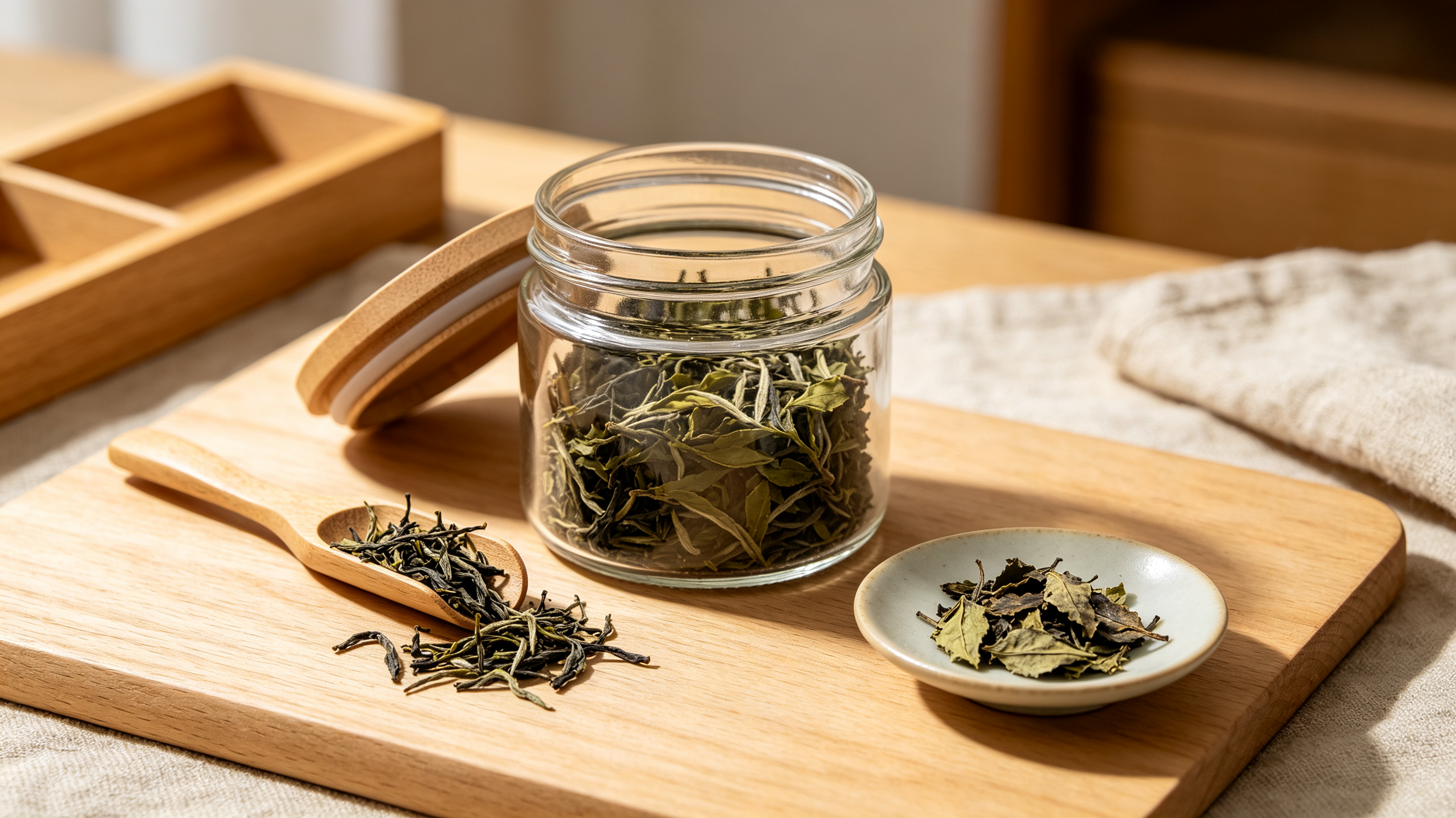
Does loose leaf tea go bad? Yes, it can—but “going bad” and simply becoming stale are not the same thing. Properly stored dry tea often loses aroma and flavor before it develops a true safety problem. Moisture, mold, insects, contamination and damaged packaging are much more serious warning signs than a faded fragrance alone.
This article focuses on actual spoilage and practical safety checks. If your main question is about shelf life, best-before dates or how long different tea types stay at their best, see our separate guide to whether loose leaf tea expires.
The safest approach is simple: inspect the dry leaves before brewing, pay attention to storage history, and discard tea when there are clear signs of contamination rather than trying to rescue it with boiling water.
Does Loose Leaf Tea Go Bad or Just Lose Freshness?
Most dry loose leaf tea changes gradually. Aroma weakens, top notes disappear, color may fade and the brewed cup can become flatter. That is a quality problem, but it does not automatically mean the tea has spoiled.
Actual spoilage is more concerning. Tea that has absorbed moisture, grown visible mold, developed an unusual sour or musty contamination odor, attracted insects or been exposed to dirty conditions should not be treated like merely stale tea.
The distinction matters because a flat tea may still be drinkable, while contaminated tea should be discarded.
7 Warning Signs Your Loose Leaf Tea May Have Gone Bad
1. Visible Mold
Visible fuzzy growth, unusual patches or mold-like material is a strong reason to discard the tea. Do not smell moldy material closely to “check” it. The USDA advises against sniffing moldy food because spores can cause respiratory problems, and mold growth may extend beyond what is visible on the surface.
If a tea has obvious mold, do not assume that boiling water will make it safe. Throw the affected tea away and check the storage area for moisture.
2. Damp or Soft Leaves That Should Be Dry
Loose leaf tea is normally sold dry. If leaves that were once crisp or dry have become damp, soft, sticky or unusually clumped, moisture may have entered the package.
Humidity is especially important because dry storage is one of the main barriers protecting tea. A damp spoon, condensation, a loose seal or a humid cupboard can all introduce moisture.
3. Sour, Fermented or Unfamiliar Contamination Odor
Tea naturally has many aromas, including floral, roasted, earthy, woody and fermented notes. Those expected characteristics should not be confused with a new sour, rotten, chemical or musty odor that appeared during storage.
If the smell is clearly different from what the tea normally has and the storage history is uncertain, caution is more sensible than trying to mask the odor in a strong brew.
4. Insects, Webbing or Eggs
Small insects, larvae, webbing or eggs inside a tea package are obvious reasons to discard the affected product.
Check nearby dry foods and tea containers as well. Pantry pests can move between packages, especially when bags are not fully sealed.
5. Unexplained Clumping
Some compressed teas are intentionally formed into cakes, bricks or nests, and that is normal. Loose tea that suddenly sticks together in irregular damp clumps is different.
Clumping by itself does not prove mold, but it is a signal to inspect the package, smell the tea from a safe distance and consider whether moisture entered during storage.
6. Damaged or Compromised Packaging
A punctured pouch, broken seal, water-damaged box or container that no longer closes properly increases the chance of moisture, odors, insects and contamination reaching the tea.
The tea may still be fine, but packaging damage changes the storage history. Inspect the leaves rather than relying only on the printed date.
7. A Brew That Tastes Clearly Wrong
If dry tea looks and smells normal but the brewed cup has an unexpected sour, moldy or contaminated character, stop drinking it.
Do not confuse ordinary bitterness or astringency with spoilage. Overly hot water or a long steep can make perfectly good tea taste harsh. Spoilage usually presents as something unfamiliar and inconsistent with the tea’s normal style.
Stale Tea Is Not the Same as Spoiled Tea
A common mistake is throwing away safe tea simply because it is no longer aromatic—or, at the other extreme, continuing to drink questionable tea because it is still within a printed date.
| What You Notice | Usually a Quality Issue | Potential Spoilage Concern |
|---|---|---|
| Weaker aroma | Yes | Usually no |
| Faded flavor | Yes | Usually no |
| Less vibrant color | Often | Not by itself |
| Visible mold | No | Yes — discard |
| Unexpected moisture | No | Yes — investigate carefully |
| Insects or webbing | No | Yes — discard affected tea |
| Strong sour or contaminated odor | No | Yes — discard if doubtful |
Tea can be disappointing without being unsafe. A green tea that has lost its fresh aroma after poor storage may simply make a dull cup. That is very different from leaves that are damp and moldy.
What Causes Loose Leaf Tea to Go Bad?
Moisture is the most important practical warning sign, but several environmental factors can damage tea over time.
- Moisture: creates conditions where mold and other deterioration can become possible.
- Air: gradually weakens aroma and freshness.
- Heat: accelerates quality loss.
- Light: can degrade color and delicate aromatic compounds.
- Strong odors: can be absorbed by dry tea.
- Pests: can enter poorly sealed packages.
- Dirty utensils: can introduce moisture or contamination.
Our loose leaf tea storage guide explains how to protect tea from these problems in everyday kitchens.
Can Tea Go Bad Before the Best-Before Date?
Yes. A printed date assumes reasonable storage. If a bag is repeatedly left open beside a humid sink, pierced during shipping or contaminated with a wet spoon, the actual condition of the tea matters more than the date.
The reverse can also be true: a properly sealed tea may remain usable after its best drinking window, although aroma and flavor may be noticeably weaker.
Dates are useful information, but they cannot tell you what happened to the package after it was opened.
Does Green Tea Go Bad Faster?
Green tea is often valued for fresh, vivid aroma and color, so quality loss is easier to notice. A green tea can become flat or dull long before there is any true spoilage.
That does not mean older green tea is automatically unsafe. Inspect it for moisture, mold, pests and abnormal odors just as you would any other tea.
Because freshness is part of green tea’s appeal, buying quantities you can reasonably finish is often better than keeping a large open bag for a very long time.
What About Black Tea and Roasted Oolong?
Black tea and roasted oolong may retain satisfying character differently from delicate green teas, but they are not immune to poor storage.
A tea can be naturally dark, roasted or woody without being spoiled. Learn the normal aroma of the tea when it is fresh so that later changes are easier to recognize.
Even a robust tea should remain dry and free of visible mold, insects and unexplained contamination.
Pu-erh and Aged Tea Need a Different Mindset
Some teas are intentionally stored for aging, especially certain pu-erh and dark teas. That does not mean any old or musty tea is desirable.
Purposeful aging depends on suitable material, clean storage and controlled environmental conditions. A forgotten bag that became damp in a kitchen cupboard is not equivalent to properly stored aged tea.
If you are unfamiliar with aged tea, do not use “it is supposed to be old” as a reason to ignore visible mold, pests or suspicious odors.
Can Jasmine and Flavored Tea Go Bad?
Yes. Jasmine tea and flavored teas can lose aroma quite quickly, and blends may contain flowers, fruit or other ingredients with different storage behavior from plain tea leaves.
Faded jasmine fragrance is mainly a quality issue. Dampness, mold, insect activity or a rotten smell is different and should be treated as a potential spoilage problem.
Store aromatic teas tightly sealed and away from strong kitchen odors so that you can recognize their normal fragrance more easily.
Can You Save Tea That Smells Stale?
If the tea is simply flat but still completely dry, clean and normal in appearance, you can try brewing a small amount and decide whether the flavor is still worth drinking.
Some stale but clean tea may also be useful for cooking or cold brewing when the aroma is weak but not unpleasant.
Do not try to “save” tea that shows mold, moisture, pests or contamination. Roasting it, rinsing it or using hotter water is not a dependable safety treatment.
The USDA’s general guidance on moldy foods emphasizes that visible mold can extend beyond what you see and recommends discarding many affected foods rather than relying on surface removal. For household tea storage, the cautious choice is to discard questionable moldy tea rather than experiment with it.
How to Check Tea Before You Brew It
- Look at the package for water damage, holes or a broken seal.
- Check the dry leaves for visible mold, insects or unusual clumps.
- Notice whether the leaves feel unexpectedly damp.
- Check the aroma without deeply inhaling anything suspicious.
- If everything appears normal, brew a small test portion.
- Stop if the liquor has an unfamiliar contaminated odor or taste.
- When the storage history is doubtful and warning signs are present, discard the tea.
This takes less than a minute and is more useful than judging tea only by the date printed on the package.
How to Keep Loose Leaf Tea from Going Bad
Use a clean, dry, well-sealed container and keep it in a cool, dry place away from sunlight, steam, spices, coffee and cleaning products.
Always use a dry spoon or scoop. If you buy a large quantity, dividing it into smaller sealed portions reduces how often the entire supply is exposed to humid air.
For everyday tea, a good resealable barrier pouch or airtight tin is usually more useful than a decorative container with a loose-fitting lid.
Frequently Asked Questions
Does loose leaf tea go bad if it is unopened?
It can still lose quality, but sealed packaging usually protects tea much better than an opened bag. Inspect the package for damage and consider how it was stored. Heat, moisture or a failed seal can matter even when the package was never intentionally opened.
Does loose leaf tea go bad after opening?
Opening increases exposure to air, humidity and odors, so freshness usually declines faster. Proper resealing and dry storage make a major difference.
Can old tea make you sick?
Age alone does not tell you whether tea is safe. The more important concerns are contamination, moisture, mold, pests and poor storage. If an old tea shows those warning signs, discard it.
Is stale loose leaf tea safe to drink?
If it is merely less aromatic but remains dry, clean and normal in smell and appearance, the problem may only be quality. When there are signs of spoilage or uncertain contamination, do not take the risk.
Should I throw away tea that has lost its smell?
Not necessarily. Weak aroma often means the tea is past its best rather than spoiled. Brew a small amount if the leaves otherwise look and smell normal, then decide whether the cup is still enjoyable.
Know the Difference Between Old Tea and Bad Tea
So, does loose leaf tea go bad? Yes—but most well-stored tea first becomes stale rather than suddenly unsafe. The important change happens when moisture, mold, pests or contamination enter the picture.
Do not rely on a date alone. Inspect the leaves, know how the tea was stored and separate ordinary loss of freshness from genuine warning signs.
If the tea is clean and dry but simply tastes flat, you can decide whether it is still worth drinking. If it looks moldy, feels damp, contains pests or smells contaminated, discard it.