

High Quality Loose Leaf Tea — 9 Reliable Signs Before You Buy
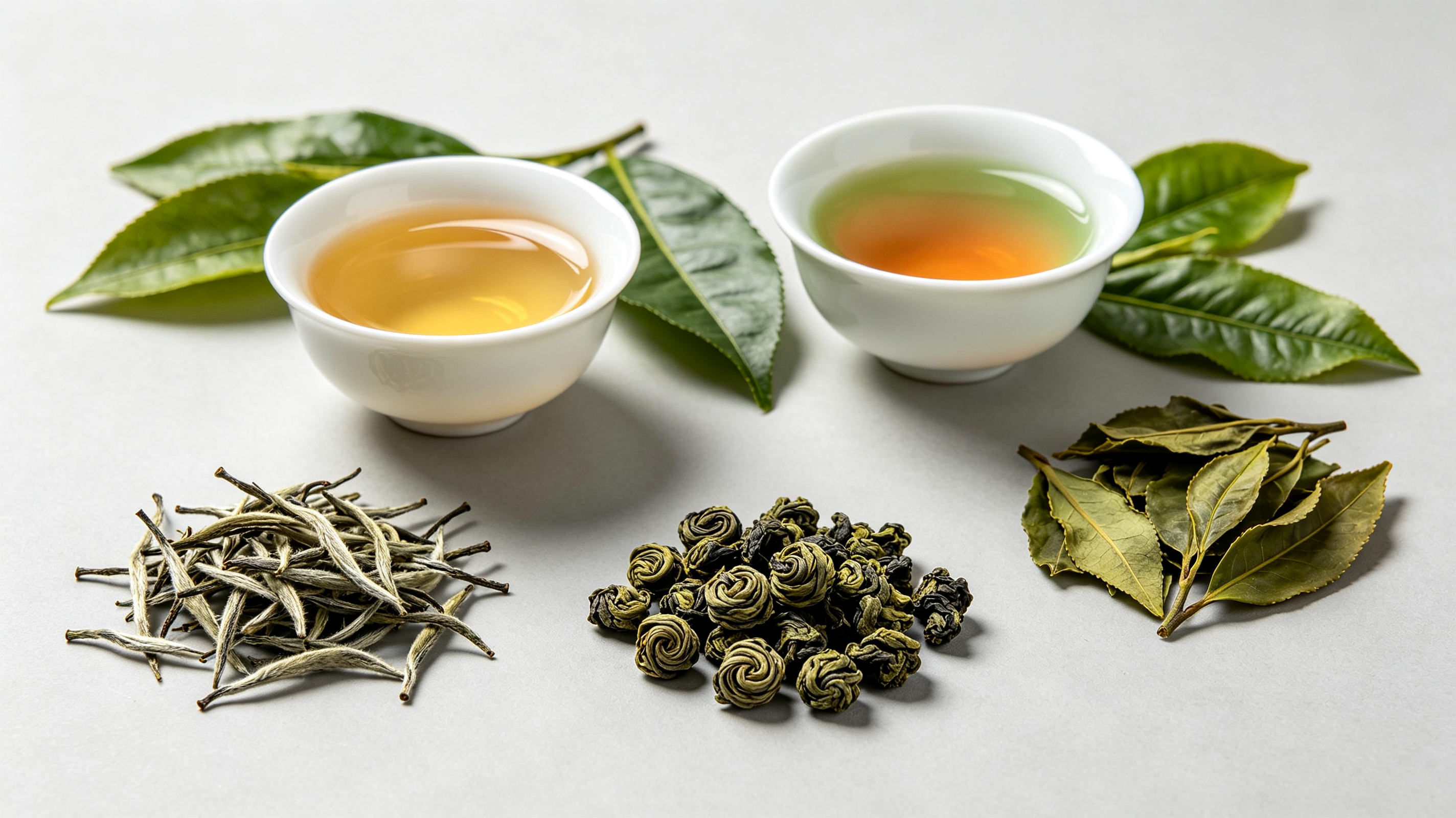
High quality loose leaf tea is not defined by price, a luxury tin or a few perfect-looking leaves. The best way to judge quality is to look at several signals together: leaf integrity, aroma, cleanliness, processing, transparency, brewing behavior and the way the tea tastes across the whole cup.
That matters because tea can look impressive in a photograph and still brew flat, while an irregular handmade tea may look modest but deliver excellent aroma, texture and depth.
This guide focuses specifically on how to evaluate quality before and after brewing. If you need a broader introduction to tea types, buying and brewing, see our practical loose leaf tea buying guide.
High Quality Loose Leaf Tea Starts with the Right Question
Instead of asking whether a tea is “premium,” ask what evidence supports the claim.
Quality can mean different things depending on the tea. A delicate spring green tea should not be judged by the same appearance as a roasted oolong. A tightly compressed pu-erh should not be expected to look like a hand-plucked white tea. The style sets the standard.
A useful evaluation therefore asks: Is this tea clean, characteristic of its type, well processed, fresh or appropriately aged, and enjoyable when brewed correctly?
9 Reliable Signs of High Quality Loose Leaf Tea
1. The Dry Leaf Looks Appropriate for the Style
Whole leaves are often a positive sign, but “whole leaf” should never become a universal quality rule. Some excellent teas are intentionally rolled, twisted, cut or compressed.
What matters is whether the leaf appearance matches the style and whether there is excessive dust, obvious foreign material or careless breakage.
For example, a rolled oolong should look compact before brewing and open substantially in water. A fine black tea may contain smaller leaf pieces by design. A white tea may look irregular and fluffy.
2. The Aroma Is Clear, Clean and Specific
Good dry tea should smell like something recognizable rather than simply “strong.” Depending on the style, that may be floral, grassy, nutty, roasted, fruity, honeyed, mineral, woody or earthy.
A clean aroma matters more than intensity. Mustiness, damp cardboard, sour contamination or an artificial perfume-like character can be warning signs.
After brewing, the aroma should become more expressive rather than collapse immediately.
3. The Tea Is Free from Moisture and Contamination
Quality begins with basic cleanliness. Dry tea should be appropriately dry for its style and free from visible mold, insects and foreign material.
Good storage cannot improve a contaminated tea, and expensive packaging cannot compensate for poor handling.
If you are unsure whether an older tea is merely stale or actually spoiled, our guide to whether loose leaf tea goes bad explains the difference.
4. The Seller Gives Useful Information
High quality loose leaf tea becomes easier to evaluate when the seller provides meaningful details rather than relying only on adjectives such as “rare,” “luxury” or “super premium.”
Useful information may include tea type, origin, cultivar when relevant, harvest or season, processing style, roast level, ingredients, storage guidance and brewing recommendations.
Not every tea needs a laboratory report or a long story, but the description should help you understand what you are buying.
5. The Brew Has Structure, Not Just Strength
A strong cup is not automatically a good cup. Quality is easier to notice when the tea has a beginning, middle and finish rather than one blunt burst of bitterness or perfume.
Look for balance between aroma, flavor, body, sweetness, bitterness and astringency. Some excellent teas are naturally brisk or bitter, but those elements should make sense within the style rather than feel rough or dirty.
6. The Flavor Remains Clear as the Tea Cools
Very hot tea can hide flaws. As the cup cools, sweetness, bitterness, roast, fragrance and unwanted off-notes often become easier to notice.
A good tea does not have to taste identical at every temperature, but it should remain coherent. If the cup becomes unpleasant as soon as it cools slightly, that can reveal imbalance that was hidden by heat.
7. The Wet Leaves Tell a Consistent Story
After brewing, look at the opened leaves. They can reveal how intact the material is, whether rolled leaves opened properly, and whether the blend contains what the description suggested.
Wet leaves should not be treated as a beauty contest. Uniformity is not always the goal, especially in traditional or handmade teas. The useful question is whether the leaf material looks consistent with the tea’s style and claims.
8. The Tea Can Handle Reasonable Brewing Adjustments
A good tea usually gives you some room to work. It may taste different when you change temperature, leaf quantity or steeping time, but it should not collapse from pleasant to undrinkable with a tiny adjustment.
This does not mean every tea is forgiving. Delicate green tea can still become bitter with boiling water. The point is that quality shows itself across sensible brewing conditions rather than only in one extremely narrow recipe.
9. The Finish Makes You Want Another Sip
The aftertaste is one of the simplest quality checks. After swallowing, notice whether the flavor disappears immediately, turns harsh, or leaves a clean and pleasant finish.
A long finish is not mandatory for every tea, but a satisfying tea usually leaves some sense of continuity—sweetness, fragrance, texture or a clean return of aroma.
What Does High Quality Loose Leaf Tea Look Like?
There is no universal visual template.
| Tea Style | Useful Visual Clues | What Not to Assume |
|---|---|---|
| Green tea | Color and shape appropriate to style, limited unwanted dust | Brighter green always means better |
| Black tea | Consistent processing, clean leaf, style-appropriate size | Whole leaf is always superior to broken leaf |
| Oolong | Rolling or twisting appropriate to style, leaves open well | Darker color automatically means stronger quality |
| White tea | Clean buds/leaves, natural variation, appropriate dryness | Perfectly uniform leaves are required |
| Pu-erh | Clean material, appropriate compression, normal aroma | Older always means better |
| Jasmine tea | Clean tea base and balanced fragrance | Stronger perfume means higher quality |
Appearance is useful, but it is only one part of the evidence. Tea is made to be brewed and tasted.
Aroma Can Tell You More Than Color
Color is easy to photograph, which is why online tea marketing often emphasizes it. Aroma is harder to communicate but often more revealing.
Before brewing, smell the dry leaf. After adding hot water, smell the wet leaves and the liquor separately. A well-made tea often becomes more specific and layered after hydration.
Green tea may reveal fresh vegetal or nutty notes. Black tea can become malty, fruity or honeyed. Oolong may shift from floral to creamy, roasted or mineral. Jasmine tea should smell floral without making the tea base disappear completely.
Does Higher Price Mean Higher Quality?
Not automatically.
Price can reflect genuine factors such as limited harvests, difficult production, skilled hand processing, famous origin, age, lower yields or expensive logistics. It can also reflect packaging, branding and scarcity marketing.
The best question is not “Is this expensive?” but “Can I understand what I am paying for?”
A transparent seller should be able to explain why one tea costs more than another without relying only on prestige language.
Are Whole Leaves Always Better?
No. This is one of the most persistent oversimplifications in loose leaf tea marketing.
Whole or large leaves can be desirable in many styles because they often indicate careful handling and can extract gradually. But some black teas are intentionally broken, some Japanese green teas naturally contain smaller particles, and compressed teas do not fit the whole-leaf visual ideal at all.
Judge the leaf against the style, not against a single photograph of what “premium tea” is supposed to look like.
Freshness Matters Differently for Different Teas
Freshness is especially important for many green and aromatic teas, where bright fragrance is part of the experience.
Roasted oolong, black tea, white tea and pu-erh can behave differently. Some hold character longer, and certain teas may be intentionally stored or aged.
That is why a universal rule such as “newer is always better” does not work across all categories.
Good sellers should understand whether a tea is meant to be enjoyed fresh, rested after roasting, or stored for controlled development.
Good Packaging Protects Quality but Does Not Create It
An airtight barrier pouch, well-sealed tin or appropriate inner bag can protect tea from moisture, air, light and odors.
Beautiful packaging alone says very little about leaf quality. A decorative box can contain ordinary tea, while an excellent tea may arrive in a simple foil pouch designed primarily to protect freshness.
When evaluating packaging, prioritize the seal and the protection it offers over how luxurious it looks.
How to Taste Tea More Fairly
When comparing two teas, use similar brewing conditions. Otherwise, the tea brewed with more leaf, hotter water or a longer steep may simply taste stronger.
Professional sensory evaluation depends on controlled preparation for exactly this reason. ISO 3103 specifies a standardized method for preparing tea liquor for sensory tests, illustrating the broader principle that fair comparisons require consistent brewing conditions.
At home, you do not need laboratory equipment. Use the same cup size, water source, temperature, leaf weight and steeping time for both teas, then compare aroma, taste, texture and finish.
- Weigh the same amount of each tea.
- Use identical water volumes.
- Keep water temperature consistent.
- Use the same steeping time.
- Taste the teas side by side while hot and again as they cool.
- Compare the wet leaves after brewing.
How Much Tea Should You Buy the First Time?
When trying an unfamiliar tea, smaller quantities make more sense than committing to a large bag simply because the unit price is lower.
A tea may be objectively well made and still not suit your taste. Start with enough for several brewing sessions so you can adjust the recipe before forming a final opinion.
If you need a consistent starting ratio, see our guide to how much loose leaf tea per cup.
Quality Signals to Be Cautious About
- Claims that every tea is “the highest grade” without explaining the grading system.
- Heavy emphasis on health promises instead of tea characteristics.
- No ingredient list for flavored or blended teas.
- No basic brewing guidance.
- Strong perfume masking a weak tea base.
- Visible moisture, mold or contamination.
- A famous origin used as the only proof of quality.
- Luxury packaging with very little information about the tea itself.
None of these points proves that a tea is bad on its own, but several together should make you ask more questions.
High Quality Loose Leaf Tea Should Match Its Purpose
Quality also depends on what you need the tea to do.
A delicate single-origin green tea may be excellent for careful tasting but impractical for a café making milk-based drinks. A robust black tea may be ideal for breakfast service even if its leaves are not visually dramatic. A floral jasmine tea may be perfect for iced tea but not for someone who wants an unscented tea.
The best purchase is not always the rarest tea. It is the tea whose quality, flavor and price make sense for the way you intend to use it.
Frequently Asked Questions
How can I identify high quality loose leaf tea?
Look for clean, style-appropriate leaves, a clear aroma, useful sourcing or processing information, good brewing behavior and a balanced cup. Evaluate several signals together rather than relying on leaf size or price alone.
Is high quality loose leaf tea always whole leaf?
No. Some excellent teas are intentionally broken, rolled, cut or compressed. Whole leaves can be a positive sign in many styles, but the processing should be judged according to the tea category.
Should premium tea smell very strong?
Not necessarily. Aroma should be clean and characteristic rather than simply intense. A subtle but precise fragrance can indicate better quality than a very strong artificial or perfume-like smell.
Is expensive loose leaf tea worth it?
Sometimes, when the price reflects better material, skilled processing, limited production or a distinctive origin. Price alone does not prove quality, so compare what information and drinking experience the tea actually provides.
Where can I compare different loose leaf teas?
You can browse Teazenway’s loose leaf tea collection and compare tea type, flavor profile, ingredients and intended use before deciding what fits your taste.
Buy Evidence, Not Just Adjectives
The easiest way to recognize high quality loose leaf tea is to stop looking for one magic sign.
Good tea is the result of suitable raw material, skilled processing, careful storage and appropriate brewing. Appearance matters, but so do aroma, cleanliness, transparency, texture, balance and finish.
When those signals agree with one another, you have a much stronger reason to trust the tea than a label that simply says “premium.”