

Does Loose Leaf Tea Expire? Shelf Life by Tea Type
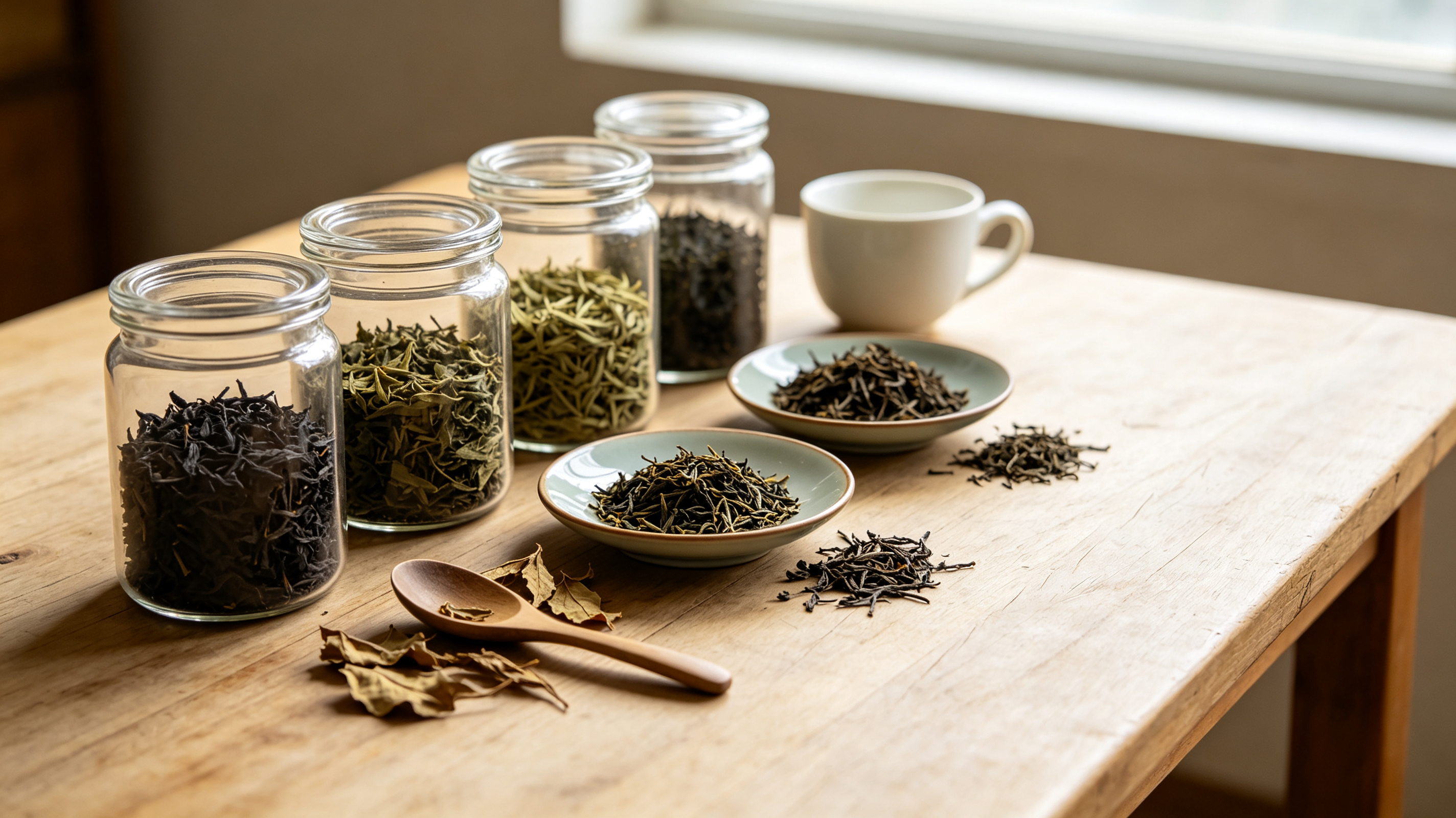
Does loose leaf tea expire is best answered by combining tea style, date, packaging, storage history, and a direct inspection.
Turn the definition into a prediction you can test
A technical term matters when it helps predict leaf behavior, flavor, storage, or brewing. Use the definition to form a hypothesis, then check it in the cup.
Avoid treating one feature as a complete quality score. Tea is the combined result of raw material, processing, storage, water, and preparation.
Loose leaf tea usually loses quality before it becomes unsafe. Dry tea can remain usable for a long time when protected from moisture, pests, odors, and contamination, but aroma and freshness gradually fade.
A best-before date is a useful quality marker, not permission to ignore how the tea looks and smells.
Quality Loss vs Safety
Flat aroma, faded flavor, and weak body are quality issues. Visible mold, moisture, insect activity, unusual clumping, or a sour contaminated odor are reasons to discard the tea.
Approximate Drinking Windows
| Tea type | Quality tendency | Main concern |
|---|---|---|
| Green tea | Best while fresh and aromatic | Rapid aroma loss |
| White tea | Fresh or intentionally stored | Moisture and unclear storage |
| Oolong | Varies by roast and style | Fading floral aroma |
| Black tea | Often stable but gradually flatter | Loss of top notes |
| Pu’er | Can age under suitable conditions | Poor storage or contamination |
| Flower/herbal | Aroma often fades first | Moisture and stale ingredients |
The Package Changes the Answer
A sealed barrier pouch protects tea better than a loose paper bag. Repeated opening introduces air and humidity. Large packages used slowly often fade faster than several smaller sealed portions.
Can You Drink Tea After the Date?
Inspect it. If the tea has remained dry, clean, and normal in aroma, the main issue may be weaker quality. When storage history is uncertain or signs of moisture appear, do not take the risk.
Why Aged Tea Is Different
Aged tea is produced and stored with transformation in mind. It is not the same as forgetting an ordinary open bag in a warm cupboard. Suitable material, airflow, humidity control, and clean surroundings matter.
Use the storage guide to protect tea after opening and the measurement guide to avoid buying far more than you use.
Label Your Tea
- Tea name.
- Date opened.
- Harvest or packing information if available.
- Preferred brewing method.
- Notes on aroma change.
Do Not Use Brewing to Rescue Questionable Tea
Hot water is not a dependable way to make damp, moldy, pest-damaged, or contaminated tea safe. If the dry leaf shows a serious storage problem, discard it before brewing. Strong roast, spice, or sugar can hide warning odors without removing the cause.
When the only problem is fading aroma, the tea may still be usable for cold brew, cooking, or casual drinking if it remains clean and dry. Keep safety and quality as separate decisions.
- Discard visible mold.
- Discard unexplained moisture or sour odor.
- Use flat but clean tea only when the result remains pleasant.
Buy for Use, Not for a Collection You Cannot Maintain
A smaller fresh supply usually offers more pleasure than a crowded shelf of fading tea. Keep special aging projects separate from everyday tea and review open packages regularly.
What Strong Evidence Looks Like in Daily Tea
Use does loose leaf tea expire to make one prediction before brewing. Predict how quickly the leaves will open, how the aroma may develop, whether the tea might tolerate heat, or whether repeated infusions are likely. A technical term becomes useful only when it leads to something observable.
Check that prediction through the scenario described above and the first two review points: “Check for moisture and pests.” and “Smell before brewing..” If the cup contradicts the expectation, consider cultivar, roast, leaf size, storage, and brewing before rejecting the entire explanation.
Avoid turning one processing feature, season, grade, or origin claim into a complete quality score. Tea reaches the cup through several linked stages. The most reliable interpretation keeps the term narrow and lets aroma, taste, texture, and finish provide the final evidence.
- Review: Check for moisture and pests.
- Review: Smell before brewing.
- Review: Distinguish flat aroma from contamination.
- Review: Review the package seal.
This verification step keeps does loose leaf tea expire tied to a real result rather than a rule copied from another kitchen, product page, or tea table.
Know When the Rule Needs to Bend
Does Loose Leaf Tea Expire provides a model, not a complete explanation of every tea. Cultivar, weather, processing skill, storage, water, and brewing can reinforce or contradict the expectation created by one term.
When the evidence is mixed, keep the label narrow. Use “Check for moisture and pests.” and “Smell before brewing.” to gather more context instead of expanding the claim until it explains everything.
- Keep: the parts of does loose leaf tea expire that produce a repeatable improvement.
- Recheck: results that appeared only once or under unusual conditions.
- Adapt: vessel size, water, timing, and serving to the actual situation.
- Stop: when safety, contamination, or damaged equipment becomes the concern.
A Practical Review List
- Check for moisture and pests.
- Smell before brewing.
- Distinguish flat aroma from contamination.
- Review the package seal.
- Discard doubtful tea instead of masking it.
How to Apply Does Loose Leaf Tea Expire
A best-before date estimates intended quality under proper storage. It cannot describe what happened after the package was opened, left near a stove, or exposed to humidity. Inspect the actual tea.
Dry tea that is simply flat may still be usable, though not enjoyable. Tea with mold, unexplained moisture, insects, slime, sour contamination, or damaged packaging should be discarded rather than rescued with boiling water.
How the Decision Plays Out
An unopened black tea kept in a cool cabinet may remain pleasant beyond its printed date, while a newer fruit blend left open near a humid sink can deteriorate quickly. The storage history changes the answer.
Keep the Method Practical
Keep does loose leaf tea expire connected to observable evidence, normal household conditions, and the way tea is actually used.
For a different angle, read How Jasmine Tea Is Scented: From Fresh Flowers to Finished Leaf.