

How to Organize a Tea Shelf Without Losing Freshness
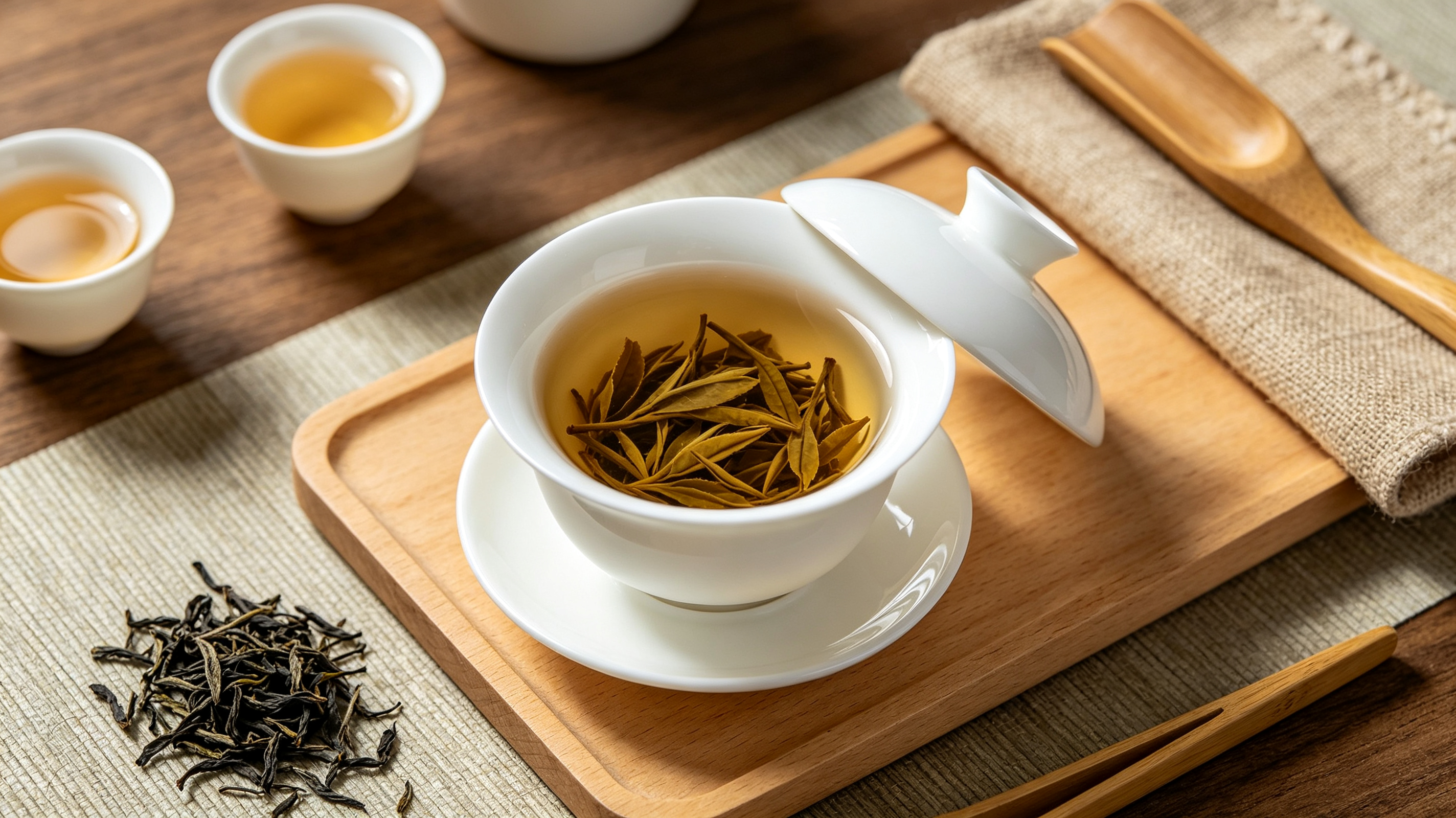
Learning how to organize a tea shelf is really learning how to see freshness risk, aroma transfer, and actual drinking priorities.
A well-organized tea shelf should help you find what to drink and protect what you already own. It does not need matching tins or decorative labels. It needs clear dates, sealed packages, sensible groups, and enough visibility that open tea is not forgotten.
Begin With a Complete Shelf Audit
- Remove every tea from the cupboard.
- Discard anything damp, contaminated, or clearly stale.
- Separate unopened and opened packages.
- Note opening dates where known.
- Group strong aromas away from delicate tea.
Create Four Useful Zones
| Zone | What belongs there | Why |
|---|---|---|
| Daily tea | Open tea used every week | Easy access and faster rotation |
| Delicate tea | Green, white, floral tea | Protection from heat and odors |
| Strong aroma | Smoked, spiced, flavored tea | Prevents scent transfer |
| Reserve | Unopened or intentional aging tea | Less handling |
Label for Decisions
A label should include tea name and date opened. Add brewing temperature or leaf amount only when it saves time. Long tasting descriptions belong in a notebook, not on every tin.
A related practical guide is How Fresh Should Loose Leaf Tea Be?.
Use First Opened, First Finished
When two similar teas are open, place the older one in front. This simple rotation reduces waste and prevents the shelf from becoming a permanent archive.
Do Not Decant Everything Automatically
Original barrier pouches can protect tea very well. Moving tea into a decorative container may expose it to air or light. Decant only when the new container seals properly and is clean and odor-free.
Keep Inventory Small Enough to See
If packages are stacked three layers deep, they will be forgotten. Use shallow bins or boxes by category and keep a short written list on the cupboard door.
Review storage fundamentals in the tea storage guide and use the loose leaf tea collection to replace tea only after a category is genuinely running low.
Use a “Drink Next” Basket
Set aside three or four open teas that should be finished soon. This small visible group prevents older green, floral, and fruit teas from disappearing behind unopened packages. Rotate the basket once a tea is finished.
The method also reduces decision fatigue. Instead of choosing from the entire shelf every day, you choose from a short list while still keeping one flexible option for guests or a special session.
- One delicate tea.
- One everyday tea.
- One caffeine-free option.
- One tea selected for re-steeping or guests.
A Shelf Should Support a Drinking Habit
The best organization system makes tea easier to choose at 7 a.m. or during a busy afternoon. Keep daily options visible, protect special tea, and remove what no longer deserves space.
How to Organize a Tea Shelf: The Decision That Matters
A shelf arranged only as green, black, and oolong can still hide the tea that needs attention. Add practical zones: drink next, strong aroma, delicate opened tea, caffeine-free, and sealed reserve.
Visibility matters more than perfect containers. Original barrier pouches stored upright in shallow bins may protect tea better than attractive tins with poor seals.
A Side-by-Side Example
Create a small drink-next basket containing one delicate tea, one everyday tea, one caffeine-free option, and one special tea. When a package is finished, replace its role rather than adding another overlapping bag.
Turn the Guidance Into a Repeatable Method
Test the complete workflow for how to organize a tea shelf: prepare the water, measure the leaf, brew, pour, remove the leaves, handle drips, and clean the equipment. A setup that looks simple can fail at the moment an infuser has nowhere to rest or wet leaves cannot be discarded.
Build the first test around “Audit every open package.” and “Separate strong smoke and flavor..” Then remove any object or step that does not improve control, comfort, or cleanup. The best routine is not the most elaborate one; it is the one you can repeat without hesitation.
After several sessions, notice where attention is actually required. A timer may matter more than another cup, and a stable tray may matter more than decorative accessories. Spend effort on the point where the routine normally breaks down.
- Audit every open package. Record what changed before moving to the next variable.
- Separate strong smoke and flavor. Record what changed before moving to the next variable.
- Label opening dates. Record what changed before moving to the next variable.
- Keep daily tea visible. Record what changed before moving to the next variable.
This verification step keeps how to organize a tea shelf tied to a real result rather than a rule copied from another kitchen, product page, or tea table.
The Limits of a One-Size-Fits-All Answer
How to Organize a Tea Shelf should fit the equipment, time, storage, and attention available in ordinary life. A method that works only under ideal conditions may still be interesting, but it should not be presented as the only correct routine.
Use “Audit every open package.” and “Separate strong smoke and flavor.” to identify the non-negotiable requirements. Everything else can be simplified until the process is comfortable and repeatable.
- Keep: the parts of how to organize a tea shelf that produce a repeatable improvement.
- Recheck: results that appeared only once or under unusual conditions.
- Adapt: vessel size, water, timing, and serving to the actual situation.
- Stop: when safety, contamination, or damaged equipment becomes the concern.
A Focused Checklist
- Audit every open package.
- Separate strong smoke and flavor.
- Label opening dates.
- Keep daily tea visible.
- Use first opened, first finished.
Test the full workflow once before relying on it
Set up the equipment, brew, pour, remove the leaves, dispose of them, and clean everything. A practical method must work through cleanup, not only through the attractive moment of pouring.
Adjust the setup to the smallest number of pieces that solve the real problem.
Quick Answers
Should every tea be moved into a tin?
No. A good original pouch may offer better barrier protection than a decorative container.
How many teas should be open at once?
Keep the number small enough to finish delicate products while they remain aromatic.
Where should tea be stored?
In a cool, dry, dark place away from heat, moisture, and strong odors.
Make the Next Cup More Informative
The real value of how to organize a tea shelf is a cup or decision that can be repeated, explained, and adjusted without guesswork.