

How to Read a Tea Label Before You Buy
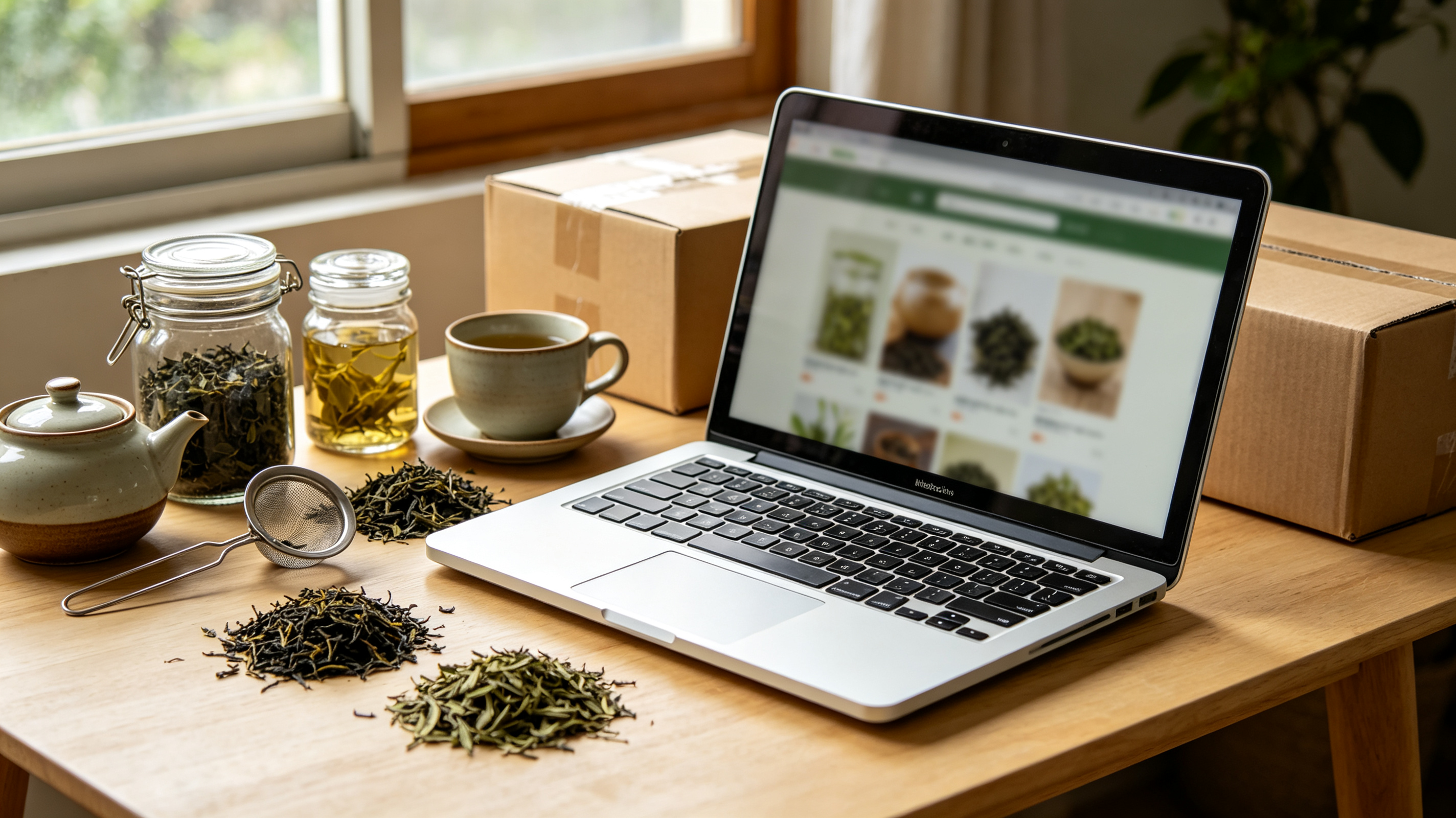
Learning how to read a tea label means separating required product facts from atmosphere and undefined marketing language.
A tea label should help you understand what is inside, how to brew it, and whether it fits your needs. Attractive names and mountain imagery can create mood, but they should not replace basic product information.
The most useful labels connect the tea’s identity with ingredients, origin or style, net weight, storage, and clear preparation guidance.
Start With the Ingredient List
For an unblended true tea, the ingredient may simply be tea leaves. A blend may include flowers, fruit, herbs, spices, sweetened pieces, flavoring, or allergens. Read the full list rather than relying on the front name.
Identify the Base
- Green tea, black tea, oolong, white tea, or pu’er.
- Herbal or fruit infusion with no true tea.
- Mixed base such as green and white tea.
- Flavored or scented tea.
- Tea with added sweeteners or candied fruit.
Look for Origin and Processing
A named region, cultivar, harvest, roast, or scenting method can add useful detail. Vague phrases such as mountain tea or ancient recipe should not be the only information.
A related practical guide is How Jasmine Tea Is Scented: From Fresh Flowers to Finished Leaf.
Check Caffeine Language
Green, black, oolong, white, and pu’er generally contain caffeine. Herbal and fruit infusions may be caffeine-free unless they include tea, mate, guayusa, cocoa, or another caffeinated ingredient. Decaffeinated is different from naturally caffeine-free.
Brewing Instructions Should Be Specific
Useful directions include leaf amount, water volume, temperature, and time. One teaspoon per cup is only a rough measure, especially for bulky leaves.
Use the loose leaf measurement guide to interpret serving sizes and the water guide when a tea tastes different at home.
Claims That Need Context
- Premium or reserve without a defined standard.
- Organic without a certifier where certification is required.
- Detox, cure, or disease claims.
- Highest grade without explaining the grading system.
- Natural when flavoring and ingredients are not disclosed.
- Rare without origin or production detail.
Check Net Weight and Serving Reality
A large package may contain bulky flowers that produce fewer servings by weight. A dense rolled tea may look small but last through repeated infusions. Compare net weight, recommended amount, and realistic use.
Front-of-Pack Language and Legal Information Serve Different Jobs
The front of a package is designed to attract attention. The back or side usually contains the information needed for a decision: ingredients, net weight, origin statement, storage, business identity, and preparation instructions. Read both parts with different expectations.
A romantic product name may be perfectly acceptable when the factual panel is clear. The concern is not creative branding; it is when branding hides what the product actually contains.
- Find the complete ingredient list.
- Check who packed or sold the product.
- Confirm whether the stated weight includes packaging.
A Good Label Reduces Guessing
Transparent listings in the loose leaf tea collection should make it easier to choose the right base, aroma, and brewing style. When important details are missing, ask before buying.
Working With How to Read a Tea Label in Real Life
Not every detail deserves equal weight. A decorative story about misty mountains matters less than ingredients, net weight, base tea, origin, flavoring, caffeine status, storage, and brewing. Good labels reduce practical uncertainty.
Online listings should provide the same core information as the package. If a photograph hides the ingredient panel or the description contradicts the label, ask before ordering.
Use This Before You Decide
- Read ingredients before claims.
- Identify true tea or herbal base.
- Check added flavor and sweetened pieces.
- Confirm net weight and serving guidance.
- Treat health and grade superlatives cautiously.
Where Personal Preference Enters the Decision
Before spending more on how to read a tea label, save the product page and identify which claims can be checked after delivery. Leaf appearance, package weight, ingredient list, seal quality, aroma, and brewing behavior are verifiable. Words such as rare, premium, reserve, or ancient need supporting detail.
Start with “Read ingredients before claims.” and “Identify true tea or herbal base..” A small first order creates room to learn the tea without turning one uncertain purchase into months of storage. Compare the delivered product with the photographs and description while the listing is still available.
Price should be evaluated per enjoyable serving, not only per gram. A dense tea that supports several infusions can behave differently from a bulky blend used once. Shipping, packaging, freshness, and the chance that the tea suits your routine all belong in the decision.
- Read ingredients before claims. Record what changed before moving to the next variable.
- Identify true tea or herbal base. Record what changed before moving to the next variable.
- Check added flavor and sweetened pieces. Record what changed before moving to the next variable.
- Confirm net weight and serving guidance. Record what changed before moving to the next variable.
This verification step keeps how to read a tea label tied to a real result rather than a rule copied from another kitchen, product page, or tea table.
Keep Context Beside the Recommendation
No guide can declare one product or method universally best for how to read a tea label. Budget, shipping, hand size, storage space, cleanup, serving size, and taste can legitimately change the decision. A transparent tradeoff is better than a false winner.
Use the question “Does herbal tea always contain no caffeine?” to define the choice more narrowly. If the answer depends on a specific tea or household routine, test a small quantity or borrowed tool before making a larger commitment.
- Keep: the parts of how to read a tea label that produce a repeatable improvement.
- Recheck: results that appeared only once or under unusual conditions.
- Adapt: vessel size, water, timing, and serving to the actual situation.
- Stop: when safety, contamination, or damaged equipment becomes the concern.
A Side-by-Side Example
A blend called Evening Garden may sound caffeine-free, yet the ingredient list could begin with green tea. The front name creates mood; the ingredient list answers the actual question.
Reduce risk before increasing order size
Begin with a small quantity, confirm the seller’s description, and test the tea in your normal water and teaware. A large discount is poor value when the product does not fit your routine.
Save the listing and photograph the delivered leaf. This makes it easier to compare the promise, the product, and any future reorder.
Turn Information Into a Better Routine
When how to read a tea label leads to better control and fewer assumptions, the topic has served its purpose.